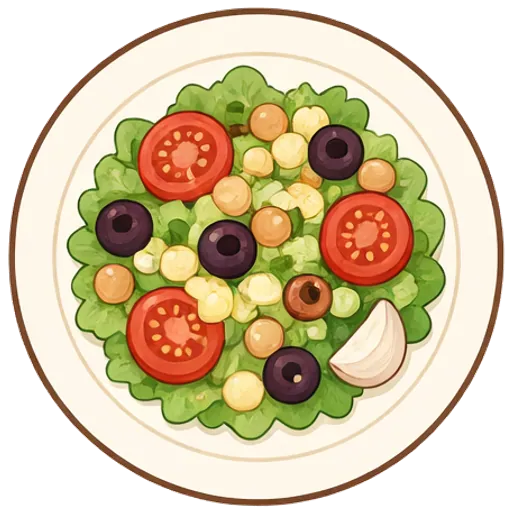
Italian chopped salad
Crunchy romaine, chickpeas, tomatoes, olives and tangy pepperoncini in a red wine vinaigrette, chopped small so every bite gets a bit of everything.
- 25 min total
- 25 min hands-on
- Anyone can make this
- Serves 6
- About $1.78 a serving
- 250 calories
- Vegan
- Gluten-free
- Dairy-free

Dolly says: It’s ready in 25 minutes, start to finish.
Ingredients
For 6 servings.
- 1 clove garlic, minced
- 3 romaine lettuce, hearts
- 1 can chickpeas
- 1½ cups cherry tomatoes
- ⅓ cup Kalamata olives, pitted
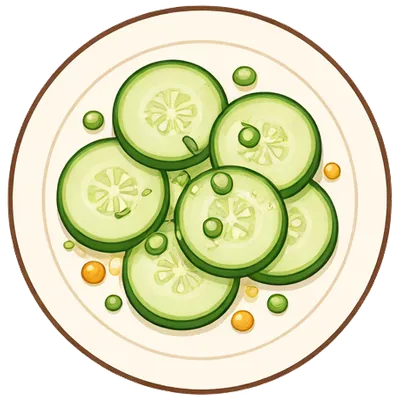
- 1 cucumber
- ½ red onion
- ½ cup pepperoncini
From your pantry
- 3 tbsp red wine vinegar
- ⅓ cup olive oil
- 1 tsp dried oregano
- ¾ tsp salt
- ¼ tsp black pepper
Each serving has about 250 calories, 7 g protein, 21 g carbs and 17 g fat, and costs about $1.78 at typical US grocery prices. Both are estimates from what the recipe uses.
Missing something?
- No romaine lettuce? Green leaf lettuce or iceberg lettuce or butter lettuce works.
- No Kalamata olives? Black olives work.
- No cucumbers? English cucumbers or mini cucumbers work.
- No red onions? White onions or yellow onions work.
Steps
Tap an underlined word for a quick explanation.
Shake the vinegar, oil, oregano, garlic, salt and pepper in a jar with a lid for 15 seconds, until blended.
the romaine into small pieces, about the size of a postage stamp, then it and dry it well.
Chop. Chopping means cutting food into bite-size pieces that don’t need to be neat. Keep them roughly the same size so everything cooks evenly.
How you’ll know: Your pieces are about half an inch and roughly alike, even if none of them are pretty.
Rinse. Rinsing means running cold water over rice or canned beans in a strainer while you swish them around. It washes off loose starch and can liquid, so rice cooks up fluffy and beans taste clean.
How you’ll know: The water running out goes from cloudy to mostly clear; it doesn’t have to be perfect.
 Dolly’s tip: Chopped small, every forkful catches a bit of everything. That’s the whole point.
and the chickpeas, then them dry with a paper towel.
Drain. Draining means pouring off liquid, like tipping pasta into a colander or spooning extra fat out of the pan. Pour hot grease into a can or jar, not the sink, where it hardens and clogs the pipes.
How you’ll know: Only a few drips are left, and the food isn’t sitting in a puddle.
Rinse. Rinsing means running cold water over rice or canned beans in a strainer while you swish them around. It washes off loose starch and can liquid, so rice cooks up fluffy and beans taste clean.
How you’ll know: The water running out goes from cloudy to mostly clear; it doesn’t have to be perfect.
Pat dry. Patting dry means pressing paper towels onto food to soak up the moisture on its surface. Wet food steams instead of browning, so this is how you get a good sear and crisp skin.
How you’ll know: The surface feels tacky, not wet, and the last paper towel comes away barely damp.
the tomatoes and olives, the cucumber, and the onion and pepperoncini.
Halve. Halving means cutting something into two equal pieces. Even halves cook at the same speed, so one doesn’t dry out while the other finishes.
How you’ll know: The two pieces look like mirror images of each other.
Dice. Dicing means cutting food into small, even cubes, usually a quarter to half an inch across. Pieces the same size cook at the same speed, so nothing burns while the rest catches up.
How you’ll know: Your pieces are little cubes about the size of a chickpea, and they all look close to the same.
Thinly slice. Thinly slicing means cutting slices about an eighth of an inch thick, roughly two coins stacked. Thin slices cook in seconds and soften fast, which quick dishes need.
How you’ll know: A slice bends a little when you hold it by one edge, and slow, steady cuts beat fast ones.
Put everything in a large bowl, pour over the dressing, and until it’s all coated.
Toss. Tossing means gently lifting and turning food so everything gets coated, like pasta in sauce or vegetables in oil. It coats every piece evenly without mashing anything.
How you’ll know: Every piece looks glossy or evenly coated, with no dry spots hiding underneath.
Dolly’s tip: The chickpeas and vegetables can sit in the dressing for an hour. Add the romaine right before serving.Taste, add more salt or of vinegar if it needs it, and serve.
Pinch. A pinch is what you can hold between your thumb and two fingers, less than an eighth of a teaspoon. It’s a small, forgiving amount, so there’s no need to measure.
How you’ll know: It’s a light sprinkle you can barely see on the food, not a little pile.
Splash. A splash is a small, quick pour, about a teaspoon to a tablespoon. It’s there to loosen or brighten a dish, so the exact amount doesn’t matter.
How you’ll know: The dish looks a little looser or tastes a little brighter, not soupy.

Plan this in Dollop, and get the grocery list
When you host a dinner, Dollop builds the menu around your guests’ allergies, works out a cooking timeline back from when everyone sits down, and puts it all on one grocery list.