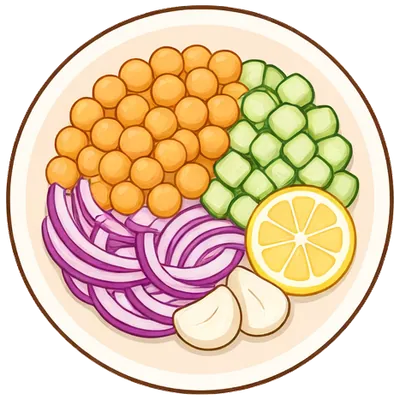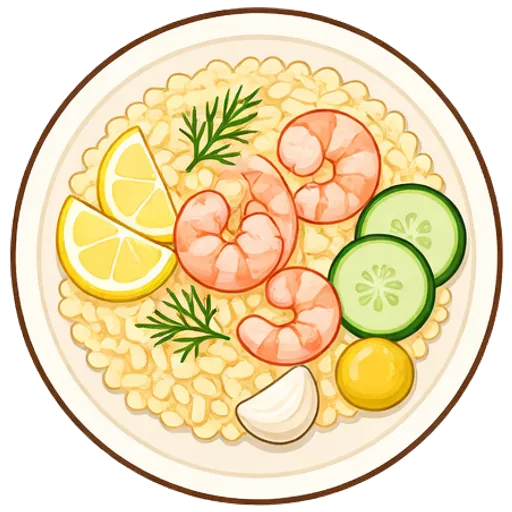
Lemon dill shrimp orzo salad
Tender orzo, sweet shrimp, cucumber and fresh dill in a bright lemon dressing, a light, pretty lunch that holds up for three days.
- 25 min total
- 15 min hands-on
- Anyone can make this
- Serves 4
- About $4.38 a serving
- 420 calories
- Good the next day

Dolly says: It’s ready in 25 minutes, start to finish.
Ingredients
For 4 servings.
- 1 cup orzo
- 2 lemons, zested and juiced
- 1 tsp Dijon mustard
- 1 clove garlic, grated
- 1 English cucumber, diced
- ¼ red onion, finely chopped
- ¼ cup fresh dill, chopped
- 1 lb cooked shrimp, thawed if frozen, tails off
- ½ cup feta cheese, crumbled (optional)
From your pantry
- 2½ tsp salt, divided
- ¼ cup olive oil
- ¼ tsp black pepper
Each serving has about 420 calories, 34 g protein, 40 g carbs and 15 g fat, and costs about $4.38 at typical US grocery prices. Both are estimates from what the recipe uses.
Missing something?
- No lemons? Limes work.
- No English cucumbers? Cucumbers or mini cucumbers work.
- No red onions? White onions or yellow onions work.
- No feta cheese? Goat cheese works.
Steps
Tap an underlined word for a quick explanation.
Bring a medium pot of water over high heat and add 2 teaspoons salt.
Bring to a boil. It means heating a liquid on high until it’s fully boiling before you move on. A lid on the pot gets it there faster, which makes it a good moment to chop something.
How you’ll know: Big bubbles break all over the surface, and they keep coming when you lift the lid.
High heat
Add the orzo and cook for 8 to 9 minutes, now and then, until tender with a little bite.
Stir. Stirring means moving food around with a spoon or spatula so it cooks evenly and doesn’t stick. Unless the recipe says constantly, every so often is plenty, and it gives food time to brown.
How you’ll know: When you drag the spoon across the bottom, nothing is sticking or scorching.
High heatTimer: 8 min 30 sec
 Dolly’s tip: Orzo likes to stick to the bottom, so give it a stir every couple of minutes.
and under cold water until cool, then shake it dry.
Drain. Draining means pouring off liquid, like tipping pasta into a colander or spooning extra fat out of the pan. Pour hot grease into a can or jar, not the sink, where it hardens and clogs the pipes.
How you’ll know: Only a few drips are left, and the food isn’t sitting in a puddle.
Rinse. Rinsing means running cold water over rice or canned beans in a strainer while you swish them around. It washes off loose starch and can liquid, so rice cooks up fluffy and beans taste clean.
How you’ll know: The water running out goes from cloudy to mostly clear; it doesn’t have to be perfect.
the lemon and juice, olive oil, mustard, garlic, pepper and ½ teaspoon salt in a large bowl.
Whisk. Whisking means beating quickly with a whisk or a fork to blend things together. It smooths out lumps and mixes eggs, oil or sauces evenly.
How you’ll know: It all looks one even color and texture, with no streaks or lumps.
Zest. Zest is the thin, colored outer layer of citrus peel, rubbed off on the smallest holes of a grater. It holds the fruit’s fragrant oils, so it adds bright flavor without the sourness of juice.
How you’ll know: You see bright flecks and smell citrus right away; stop when you reach the white layer, which is bitter.
the cucumber, the onion and dill, and cut any large shrimp in half.
Dice. Dicing means cutting food into small, even cubes, usually a quarter to half an inch across. Pieces the same size cook at the same speed, so nothing burns while the rest catches up.
How you’ll know: Your pieces are little cubes about the size of a chickpea, and they all look close to the same.
Finely chop. Finely chopping means cutting food into small pieces, a little bigger than minced, about the size of a lentil. Small pieces spread their flavor through the dish and cook quickly.
How you’ll know: Nothing is bigger than a lentil, and the pile looks like confetti rather than paste.
Food safety: Rotisserie chicken, deli meat, canned tuna and cooked shrimp are already cooked. Keep them cold until you use them, and heat them until steaming hot if the recipe warms them.
the orzo, shrimp, cucumber, onion and dill with the dressing, then the feta over.
Toss. Tossing means gently lifting and turning food so everything gets coated, like pasta in sauce or vegetables in oil. It coats every piece evenly without mashing anything.
How you’ll know: Every piece looks glossy or evenly coated, with no dry spots hiding underneath.
Crumble. Crumbling means breaking food into small, rough bits with your fingers or a spoon, like feta or ground meat in the pan. Small bits spread through the dish, so there’s some in every bite.
How you’ll know: The pieces are small and uneven, about pea-size, with no big clumps left.
Divide among 4 containers and refrigerate.
Dolly’s tip: It keeps 3 days. Add a squeeze of lemon before eating if the orzo has soaked up the dressing.

Plan this in Dollop, and get the grocery list
Dollop plans your lunches along with the week’s dinners, puts what you need on the same grocery list, and walks you through each step.