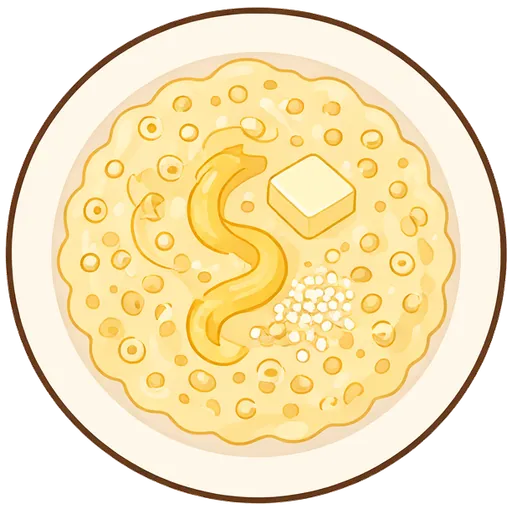
Pastina with egg and parmesan
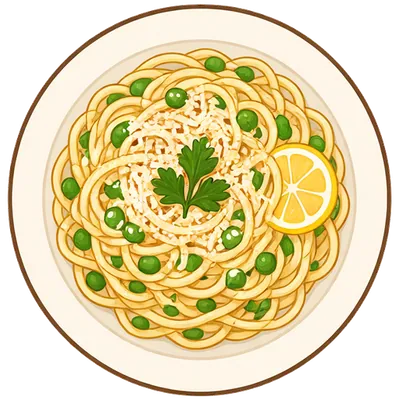
Tiny pasta cooked in broth and stirred with butter, parmesan and an egg until creamy, the Italian bowl for sick days, sad days and just-tired days.
- 15 min total
- 12 min hands-on
- Anyone can make this
- Serves 2
- About $1.75 a serving
- 440 calories

Dolly says: I’d make this on a weeknight. It’s on the table in 15 minutes.
Ingredients
For 2 servings.
- 2 cups chicken broth
- ¾ cup orzo, or any tiny pasta
- 1 large egg
- ½ cup grated parmesan, plus more for serving
- 1 tbsp butter
From your pantry
- ¼ tsp black pepper
- 1 pinch salt
Each serving has about 440 calories, 20 g protein, 52 g carbs and 17 g fat, and costs about $1.75 at typical US grocery prices. Both are estimates from what the recipe uses.
Missing something?
- No chicken broth? Vegetable broth or bone broth works.
- No grated parmesan? Parmesan wedge works.
- No butter? Ghee works.
Steps
Tap an underlined word for a quick explanation.
Bring the broth in a small over high heat.
Bring to a boil. It means heating a liquid on high until it’s fully boiling before you move on. A lid on the pot gets it there faster, which makes it a good moment to chop something.
How you’ll know: Big bubbles break all over the surface, and they keep coming when you lift the lid.
Saucepan. A saucepan is a pot with tall, straight sides and one long handle. It’s for things that need depth, like rice, sauces or a few boiled eggs.
How you’ll know: The food fills it about halfway, leaving room to bubble without spilling over.
High heat
Stir in the orzo, to medium, and , stirring often, 8 to 10 minutes, until tender and most of the broth is absorbed.
Reduce the heat. It means turning the burner down, usually to medium-low or low, so food cooks gently instead of hard. Electric burners cool slowly, so lift the pan off for a moment if it’s bubbling hard.
How you’ll know: Within a minute the bubbling calms to a gentle simmer, or the sizzle turns quiet.
Simmer. Simmering means keeping a liquid just below a boil, with small bubbles rising gently. It cooks food evenly and lets a sauce thicken without scorching on the bottom.
How you’ll know: Small, lazy bubbles break the surface every second or so, and nothing is churning.
Medium heatTimer: 9 min
 Dolly’s tip: It should still look loose and a little soupy. It thickens fast once the egg goes in.
Meanwhile, the egg, parmesan and pepper together in a small bowl.
Whisk. Whisking means beating quickly with a whisk or a fork to blend things together. It smooths out lumps and mixes eggs, oil or sauces evenly.
How you’ll know: It all looks one even color and texture, with no streaks or lumps.
Turn the heat to low. Stir in the butter, then pour in the egg mixture, stirring the whole time.
Low heat
Keep stirring 1 to 2 minutes, until the egg has into a creamy, silky sauce and the pastina is steaming hot.
Thicken. Thickening means cooking a sauce or soup until it’s less runny, by simmering it down or adding something like cornstarch. A thicker sauce clings to food instead of pooling on the plate.
How you’ll know: It coats the back of a spoon, and a line drawn through it with your finger holds its shape.
Low heatTimer: 1 min 30 sec
Dolly’s tip: Keep it moving and keep the heat low. That’s the difference between silky and scrambled.Food safety: For the safest eggs, cook until the whites are fully set and the yolks begin to thicken. Dishes made with eggs are done at 160°F.
Taste, add of salt if it needs it, and spoon into bowls with more parmesan on top.
Pinch. A pinch is what you can hold between your thumb and two fingers, less than an eighth of a teaspoon. It’s a small, forgiving amount, so there’s no need to measure.
How you’ll know: It’s a light sprinkle you can barely see on the food, not a little pile.

Plan this in Dollop, and get the grocery list
Dollop puts this dinner on a night that suits your week, lists only what you still need to buy, and walks you through each step while you cook.