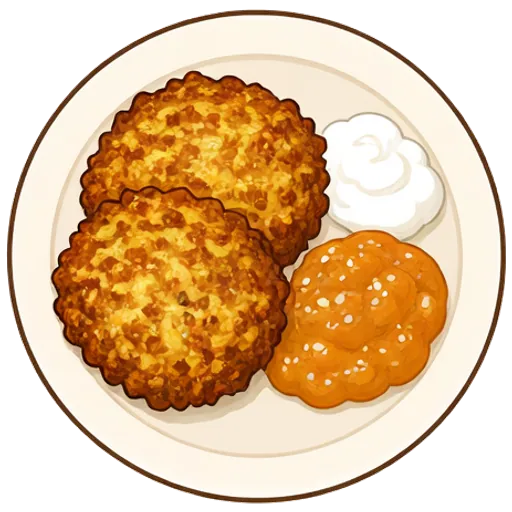
Potato latkes with applesauce and sour cream
Lacy, golden potato pancakes with shatteringly crisp edges, served hot with cold applesauce and sour cream the way they should be.
- 55 min total
- 45 min hands-on
- Follow-a-recipe easy
- Serves 4
- About $1.88 a serving
- 650 calories
- Vegetarian

Dolly says: Read the steps once before you start. Everything goes smoother after that.
Ingredients
For 4 servings.
- 4 russet potatoes, large, about 2 lb
- 1 yellow onion
- 2 large eggs
- 1 cup applesauce
- 1 cup sour cream
- 2 tbsp chives, chopped (optional)
From your pantry
- ⅓ cup all-purpose flour
- ½ tsp baking powder
- 1½ tsp salt, plus more for sprinkling
- ½ tsp black pepper
- ½ cup vegetable oil
Each serving has about 650 calories, 11 g protein, 63 g carbs and 41 g fat, and costs about $1.88 at typical US grocery prices. Both are estimates from what the recipe uses.
Missing something?
- No russet potatoes? Yukon Gold potatoes work.
- No yellow onions? White onions or red onions work.
- No sour cream? Plain Greek yogurt works.
- No chives? Green onions work.
Steps
Tap an underlined word for a quick explanation.
Heat the oven to 200°F and set a wire rack on a , or line a plate with paper towels. This keeps the first latkes warm and while you fry the rest.
Sheet pan. A sheet pan is a flat metal baking tray with a low rim all the way around. The rim catches juices, and the wide surface lets food spread out and brown.
How you’ll know: Everything fits in one layer with a little space between the pieces.
Crispy. Crispy means the outside is dry, firm and crunchy. It comes from high heat, a little oil and room in the pan, because crowded food steams and goes soft.
How you’ll know: It sounds crunchy when you tap or bite it, and it doesn’t flop when you lift it.
the potatoes and onion and them both on the large holes of a box grater into a big bowl.
Peel. Peeling means removing the skin with a vegetable peeler or a small knife. It takes off tough or bitter skins, though potato and carrot skins are fine to leave on unless the recipe insists.
How you’ll know: The color underneath is even all over, with no patches of skin left behind.
Grate. Grating means rubbing food across the holes of a grater to make fine shreds or flakes. It spreads cheese, garlic or ginger evenly through a dish so it melts right in.
How you’ll know: Even shreds fall off the back of the grater, and you stop while the piece is still big enough to hold.
Scoop the potato and onion into a clean dish towel, twist it closed and squeeze hard over the sink until almost no more liquid comes out.
Grate. Grating means rubbing food across the holes of a grater to make fine shreds or flakes. It spreads cheese, garlic or ginger evenly through a dish so it melts right in.
How you’ll know: Even shreds fall off the back of the grater, and you stop while the piece is still big enough to hold.
 Dolly’s tip: This is the step that makes them crisp. Squeeze until your hands hurt a little.
Tip it back into the dry bowl and mix in the eggs, flour, baking powder, salt and pepper until evenly coated.
Heat the oil in a large over medium-high heat until it . A shred of potato dropped in should sizzle right away.
Skillet. A skillet is a frying pan: wide and flat with low, sloped sides. The shape lets steam escape, so food browns instead of stewing.
How you’ll know: It’s the pan you’d fry an egg in, and a 10 or 12 inch one handles most recipes.
Shimmering oil. Oil shimmers when it’s hot enough to cook: its surface looks rippled and wavy, like heat over a road. That’s your cue to add the food, just before the oil would start to smoke.
How you’ll know: The oil looks wavy and runs thin like water when you tilt the pan, with no smoke yet.
Medium-high heat
Drop in ¼-cup mounds, 4 at a time, and press them flat to about ½ inch. Fry until deep and , 3 to 4 minutes per side.
Golden brown. Golden brown is the color of good toast, somewhere between yellow and light brown. It means the outside is cooked and crisp but not burnt.
How you’ll know: It looks like toast and smells toasty; dark brown with a bitter smell means it went too far.
Crispy. Crispy means the outside is dry, firm and crunchy. It comes from high heat, a little oil and room in the pan, because crowded food steams and goes soft.
How you’ll know: It sounds crunchy when you tap or bite it, and it doesn’t flop when you lift it.
Medium-high heatTimer: 4 min
Dolly’s tip: Wait for the edges to go dark gold before you flip, or they’ll fall apart. Turn the heat down a little if they brown in under 2 minutes.Food safety: For the safest eggs, cook until the whites are fully set and the yolks begin to thicken. Dishes made with eggs are done at 160°F.
Move them to the rack, sprinkle with salt and keep them in the oven while you fry the rest. Add more oil if the pan looks dry.
Splash. A splash is a small, quick pour, about a teaspoon to a tablespoon. It’s there to loosen or brighten a dish, so the exact amount doesn’t matter.
How you’ll know: The dish looks a little looser or tastes a little brighter, not soupy.
Serve hot with applesauce, sour cream and chives on top.

Plan this in Dollop, and get the grocery list
Dollop puts this dinner on a night that suits your week, lists only what you still need to buy, and walks you through each step while you cook.
More dinners like this
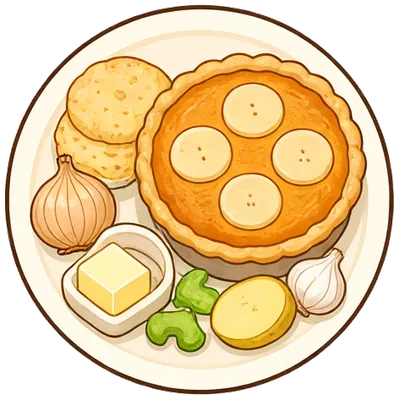
Vegetable pot pie with biscuit topping
55 min
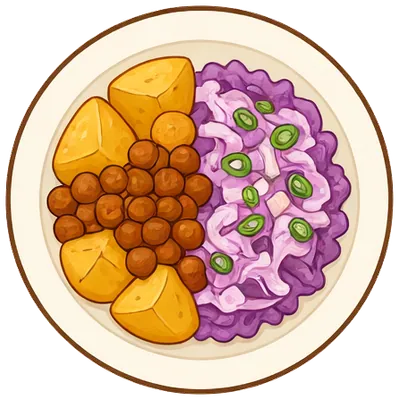
Sheet pan BBQ chickpeas and potatoes with slaw
50 min
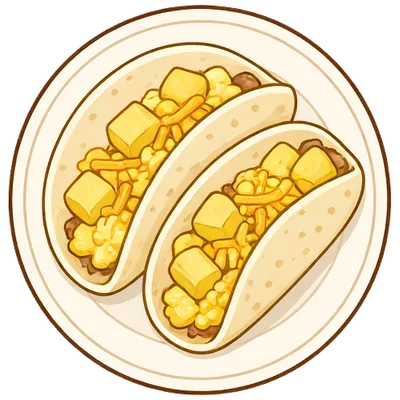
Potato and egg breakfast tacos
40 min
Slow cooker baked potatoes with black beans and cheese
490 min
Vegetarian dinners ›Pantry dinners ›What to make with eggs and potatoes ›