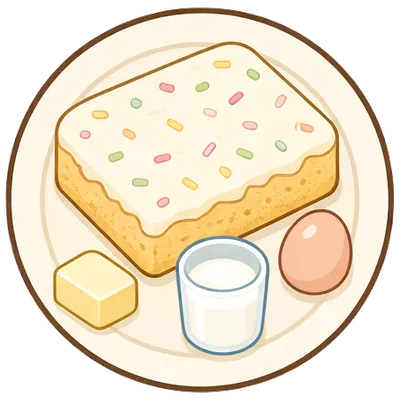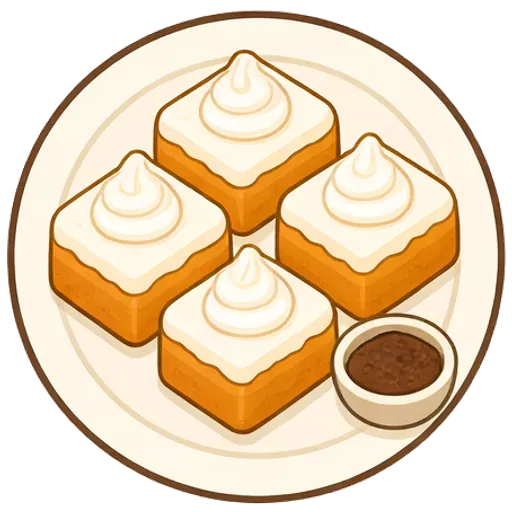
Pumpkin bars with cream cheese frosting
Soft, spiced pumpkin cake bars under a thick layer of tangy cream cheese frosting, an easy fall tray that tastes even better the next day.
- 130 min total
- 30 min hands-on
- Follow-a-recipe easy
- Serves 16
- About $0.55 a serving
- 380 calories
- Good the next day
- Vegetarian

Dolly says: Make the full amount. Whatever’s left keeps for tomorrow.
Ingredients
For 16 servings.
- 1 package cream cheese, 8 oz block, softened
- ¼ cup butter, softened
- 1 can canned pumpkin, 15 oz
- 3 large eggs
- ¼ tsp ground nutmeg
- 2 cups powdered sugar
From your pantry
- 1½ cups sugar
- ¾ cup vegetable oil
- 2 cups all-purpose flour
- 2 tsp baking powder
- 1 tsp baking soda
- 2 tsp ground cinnamon
- ½ tsp ground ginger
- ½ tsp salt
- 1 tsp vanilla extract
Each serving has about 380 calories, 4 g protein, 49 g carbs and 19 g fat, and costs about $0.55 at typical US grocery prices. Both are estimates from what the recipe uses.
Missing something?
- No butter? Ghee works.
Steps
Tap an underlined word for a quick explanation.
Set the cream cheese and butter out on the counter to , and the oven to 350°F.
Softened. For vegetables it means cooked until they bend and lose their crunch; for butter, left out until it dents easily. Soft onions taste sweet, and soft butter mixes in smoothly.
How you’ll know: Onions squash easily against the pan with your spoon, and butter dents under a finger without looking greasy.
Preheat. Preheating means turning the oven on before you start, so it’s fully hot when the food goes in. Food that starts in a cold oven cooks unevenly and doesn’t brown the same.
How you’ll know: The oven beeps or its light clicks off, usually 10 to 15 minutes after you turn it on.
a 9 by 13 inch pan and with , leaving the paper hanging over the long sides.
Grease. Greasing means rubbing a thin layer of butter or oil over the inside of a pan so food doesn’t stick. Get into the corners, where batter likes to cling.
How you’ll know: The pan looks evenly shiny all over, with no dry patches and nothing pooling in the bottom.
Line a pan. Lining a pan means covering the bottom, and often the sides, with parchment paper or foil before the food goes in. Leave the paper hanging over two sides, and you can lift bars or brownies out in one piece to cut them neatly.
How you’ll know: The paper lies flat against the bottom, with flaps sticking up on two sides like handles.
Parchment paper. Parchment paper is a nonstick, oven-safe paper for lining pans. Food lifts right off and cleanup is easy, but don’t swap in wax paper or put parchment under the broiler.
How you’ll know: It lies flat in the pan, and the food slides off when you lift it.
the pumpkin, sugar, oil and eggs in a large bowl until smooth.
Whisk. Whisking means beating quickly with a whisk or a fork to blend things together. It smooths out lumps and mixes eggs, oil or sauces evenly.
How you’ll know: It all looks one even color and texture, with no streaks or lumps.
the flour, then add it with the baking powder, baking soda, spices and salt, and stir shows.
Spoon and level. Spoon and level is how to measure flour: spoon it lightly into the measuring cup, then sweep the extra off the top with the back of a knife. Scooping straight from the bag packs in too much flour and makes bakes dry and heavy.
How you’ll know: The flour sits flat and even with the rim, and you never pressed it down or tapped the cup.
Just combined. Mixing until just combined means stopping the moment the dry flour disappears into the batter. More stirring makes cakes, brownies and muffins tough, so a few small lumps are fine.
How you’ll know: No streaks of dry flour are left, but the batter still looks a little lumpy, and that’s right.
Food safety: Don’t eat raw dough or batter, not even a lick of the spoon. Raw flour can carry E. coli and raw eggs can carry salmonella until they’re cooked. The one exception is dough with no eggs, made with flour heated to 165°F.
Spread the batter in the pan and bake 28 to 33 minutes, until a in the middle comes out clean.
Toothpick test. The toothpick test tells you whether a cake or brownie is baked through: poke a toothpick into the middle and pull it out. Wet batter on it means it needs more time.
How you’ll know: For cakes it comes out clean or with a crumb or two; for fudgy brownies, a few moist crumbs but no wet batter. A thin knife works too.
Timer: 28 min
Food safety: For the safest eggs, cook until the whites are fully set and the yolks begin to thicken. Dishes made with eggs are done at 160°F.
Cool completely , about 1 hour.
Cool on a rack. Cooling on a rack means setting a hot pan or fresh cookies on a wire grid, so air moves underneath and the bottom doesn’t steam and turn soggy. No rack? The cool grates of your stovetop work the same way.
How you’ll know: The bottom of the pan feels barely warm when you touch it, and bars cut cleanly instead of crumbling.
Timer: 60 min
Stir the soft cream cheese and butter with a spatula until smooth, then stir in the powdered sugar and vanilla until fluffy.
 Dolly’s tip: Both should dent easily when you press them. Cold cream cheese stays lumpy no matter how long you stir.
Spread the frosting over the cooled bars, cut into 16 squares, and keep them in the fridge.
Food safety: Food with mayonnaise, dairy, eggs, cooked meat or cream, like dips, salads and cream desserts, can sit out for 2 hours at most, or 1 hour above 90°F. Keep cold food in the fridge or on ice until serving, and hot food at 140°F or hotter.

Plan this in Dollop, and get the grocery list
Dollop picks a dessert for treat night, puts what you need on the week’s grocery list, and walks you through each step.