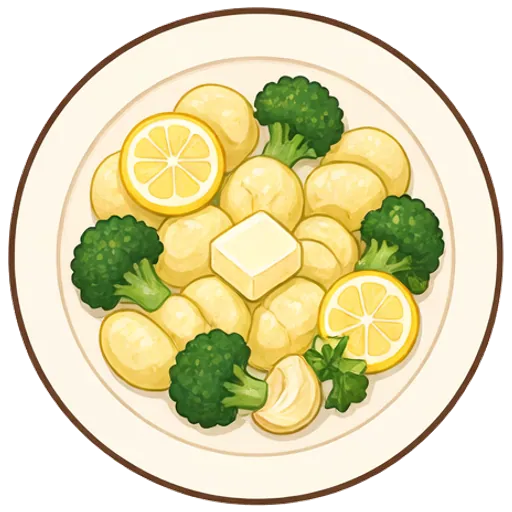
Sheet pan gnocchi with broccoli and lemon
Crispy gnocchi and charred broccoli tossed in a garlicky lemon butter with parmesan, a bright, easy dinner on one pan.
- 40 min total
- 15 min hands-on
- Follow-a-recipe easy
- Serves 2
- About $3.28 a serving
- 720 calories
- Vegetarian

Dolly says: Most of the time here is hands-off, so you can sit down while it cooks.
Ingredients
For 2 servings.
- 1 head broccoli, cut into small florets
- 1 package potato gnocchi, 16 oz
- 2 tbsp butter
- 2 cloves garlic, minced
- 1 lemon, zested and juiced
- ¼ cup grated parmesan
From your pantry
- 2 tbsp olive oil
- ½ tsp salt
- ¼ tsp black pepper
- 1 pinch red pepper flakes (optional)
Each serving has about 720 calories, 18 g protein, 96 g carbs and 31 g fat, and costs about $3.28 at typical US grocery prices. Both are estimates from what the recipe uses.
Missing something?
- No broccoli? Frozen broccoli works.
- No butter? Ghee works.
- No lemons? Limes work.
- No grated parmesan? Parmesan wedge works.
Steps
Tap an underlined word for a quick explanation.
the oven to 425°F and line a with .
Preheat. Preheating means turning the oven on before you start, so it’s fully hot when the food goes in. Food that starts in a cold oven cooks unevenly and doesn’t brown the same.
How you’ll know: The oven beeps or its light clicks off, usually 10 to 15 minutes after you turn it on.
Sheet pan. A sheet pan is a flat metal baking tray with a low rim all the way around. The rim catches juices, and the wide surface lets food spread out and brown.
How you’ll know: Everything fits in one layer with a little space between the pieces.
Parchment paper. Parchment paper is a nonstick, oven-safe paper for lining pans. Food lifts right off and cleanup is easy, but don’t swap in wax paper or put parchment under the broiler.
How you’ll know: It lies flat in the pan, and the food slides off when you lift it.
Cut the broccoli into small florets, about the size of the gnocchi.
 Dolly’s tip: Same size means same cooking time, so everything finishes together.
the broccoli and gnocchi on the pan with the oil, salt and pepper, and spread them into a single layer.
Toss. Tossing means gently lifting and turning food so everything gets coated, like pasta in sauce or vegetables in oil. It coats every piece evenly without mashing anything.
How you’ll know: Every piece looks glossy or evenly coated, with no dry spots hiding underneath.
Dolly’s tip: Straight from the package, no boiling. Break apart any that are stuck together so each one gets crispy.20 to 22 minutes, flipping once halfway, until the gnocchi are and the broccoli is at the edges.
Roast. Roasting means cooking in a hot oven, around 400°F to 450°F, usually spread out on a sheet pan. The dry heat browns the outside and brings out sweetness, especially in vegetables.
How you’ll know: The edges are browned and a little crisp, and a fork slides easily into the thickest piece.
Golden brown. Golden brown is the color of good toast, somewhere between yellow and light brown. It means the outside is cooked and crisp but not burnt.
How you’ll know: It looks like toast and smells toasty; dark brown with a bitter smell means it went too far.
Char. Charring means cooking over very high heat until some spots turn black. Those dark spots add a smoky, slightly bitter flavor that balances sweet or rich food.
How you’ll know: You see black spots and blisters in places, while most of the surface keeps its own color.
Timer: 21 min
While it roasts, the butter in a small over low heat, add the garlic, and cook 1 minute. Take it off the heat and stir in the lemon and 1 tablespoon juice.
Melt. Melting means gently heating something solid, like butter or cheese, until it turns liquid. Low or medium heat keeps it from browning or burning.
How you’ll know: It’s smooth and liquid, and butter may foam a little but hasn’t turned brown.
Saucepan. A saucepan is a pot with tall, straight sides and one long handle. It’s for things that need depth, like rice, sauces or a few boiled eggs.
How you’ll know: The food fills it about halfway, leaving room to bubble without spilling over.
Zest. Zest is the thin, colored outer layer of citrus peel, rubbed off on the smallest holes of a grater. It holds the fruit’s fragrant oils, so it adds bright flavor without the sourness of juice.
How you’ll know: You see bright flecks and smell citrus right away; stop when you reach the white layer, which is bitter.
Low heatTimer: 1 min
Pour the lemon butter over the pan, add the parmesan and pepper flakes, and right on the pan. Serve hot.
Toss. Tossing means gently lifting and turning food so everything gets coated, like pasta in sauce or vegetables in oil. It coats every piece evenly without mashing anything.
How you’ll know: Every piece looks glossy or evenly coated, with no dry spots hiding underneath.

Plan this in Dollop, and get the grocery list
Dollop puts this dinner on a night that suits your week, lists only what you still need to buy, and walks you through each step while you cook.
More dinners like this
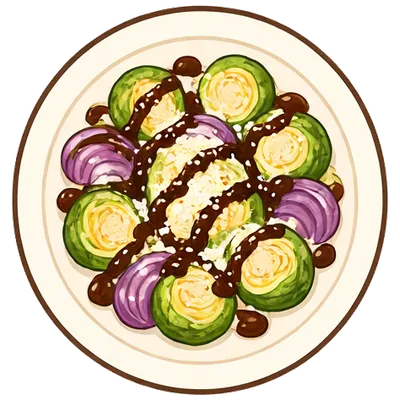
Sheet pan gnocchi with brussels sprouts and balsamic
45 min
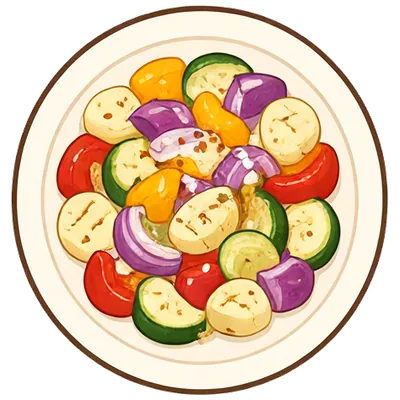
Sheet pan gnocchi with peppers, onions and zucchini
40 min
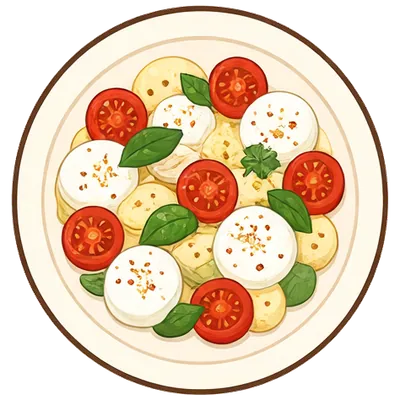
Sheet pan gnocchi with cherry tomatoes and mozzarella
40 min
Sheet pan white beans and peppers
40 min
One-pan dinners ›Vegetarian dinners ›What to make with potato gnocchi and parmesan ›What to make with broccoli and parmesan ›