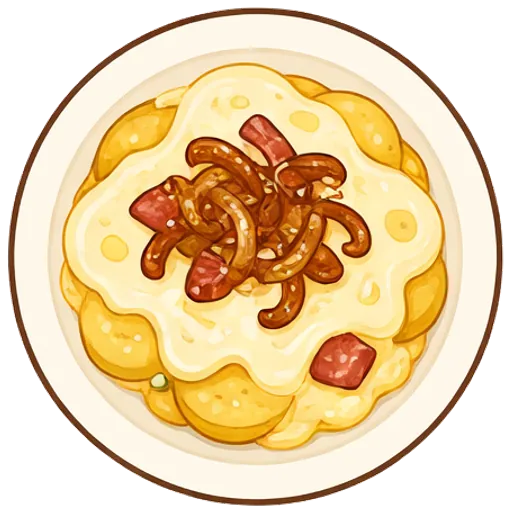
Tartiflette
The French ski-lodge bake of sliced potatoes, bacon and onions in cream under a blanket of melted cheese, pure comfort for a cold night.
- 65 min total
- 30 min hands-on
- A little more hands-on
- Serves 4
- About $2.88 a serving
- 650 calories
- Good the next day
- Gluten-free

Dolly says: Make the full amount. It’s just as good for lunch the next day.
Ingredients
For 4 servings.
- 2 lb Yukon Gold potatoes, about 6
- 6 slices bacon
- 1 yellow onion, thinly sliced
- 2 cloves garlic, minced
- ¼ cup dry white wine (optional)
- ½ cup heavy cream
- 8 slices Swiss cheese
From your pantry
- 1½ tsp salt, divided
- ½ tsp black pepper
Each serving has about 650 calories, 22 g protein, 46 g carbs and 43 g fat, and costs about $2.88 at typical US grocery prices. Both are estimates from what the recipe uses.
Missing something?
- No Yukon Gold potatoes? Russet potatoes or red potatoes work.
- No yellow onions? White onions or red onions work.
Steps
Tap an underlined word for a quick explanation.
the oven to 400°F. the potatoes, them ¼ inch thick, and put them in a pot of cold water with 1 teaspoon salt.
Preheat. Preheating means turning the oven on before you start, so it’s fully hot when the food goes in. Food that starts in a cold oven cooks unevenly and doesn’t brown the same.
How you’ll know: The oven beeps or its light clicks off, usually 10 to 15 minutes after you turn it on.
Peel. Peeling means removing the skin with a vegetable peeler or a small knife. It takes off tough or bitter skins, though potato and carrot skins are fine to leave on unless the recipe insists.
How you’ll know: The color underneath is even all over, with no patches of skin left behind.
Slice. Slicing means cutting food into flat pieces of about the same thickness. Even slices cook evenly, so none are raw while others burn.
How you’ll know: Lay a few side by side: they’re close to the same thickness from one end to the other.
.
Bring to a boil. It means heating a liquid on high until it’s fully boiling before you move on. A lid on the pot gets it there faster, which makes it a good moment to chop something.
How you’ll know: Big bubbles break all over the surface, and they keep coming when you lift the lid.
High heat
5 to 7 minutes, until just tender but not falling apart. .
Simmer. Simmering means keeping a liquid just below a boil, with small bubbles rising gently. It cooks food evenly and lets a sauce thicken without scorching on the bottom.
How you’ll know: Small, lazy bubbles break the surface every second or so, and nothing is churning.
Drain. Draining means pouring off liquid, like tipping pasta into a colander or spooning extra fat out of the pan. Pour hot grease into a can or jar, not the sink, where it hardens and clogs the pipes.
How you’ll know: Only a few drips are left, and the food isn’t sitting in a puddle.
Low heatTimer: 6 min
 Dolly’s tip: Check early with a fork. They finish cooking in the oven, so firm is better than soft.
While they cook, cut the bacon into ½-inch pieces and cook in a large over medium for 8 minutes, until .
Skillet. A skillet is a frying pan: wide and flat with low, sloped sides. The shape lets steam escape, so food browns instead of stewing.
How you’ll know: It’s the pan you’d fry an egg in, and a 10 or 12 inch one handles most recipes.
Brown. Browning means cooking until the outside turns brown, which is where a lot of savory flavor comes from. Give food room and time without stirring, or it steams and stays gray.
How you’ll know: The food looks brown rather than gray, and the kitchen smells toasty and savory.
Medium heatTimer: 8 min
Food safety: Cook bacon until it’s crisp and no longer translucent.
Add the onion and cook 8 minutes, until soft and . Stir in the garlic for 30 seconds, then pour in the wine and let it bubble away, about 1 minute.
Golden brown. Golden brown is the color of good toast, somewhere between yellow and light brown. It means the outside is cooked and crisp but not burnt.
How you’ll know: It looks like toast and smells toasty; dark brown with a bitter smell means it went too far.
Medium heatTimer: 9 min
Gently the potatoes into the onions with the cream, pepper and the rest of the salt.
Fold. Folding means mixing gently by scooping from the bottom and turning it over the top, instead of stirring hard. It keeps light mixtures airy and soft things like berries or herbs in one piece.
How you’ll know: You use slow, wide strokes and stop as soon as there are no streaks left.
Spread it all in a 2-quart baking dish and lay the cheese slices over the top.
Dolly’s tip: In France this uses reblochon. Swiss is the easy swap, and brie works too if you have it.20 to 25 minutes, until the cheese is , bubbling and browned in spots.
Bake. Baking means cooking in the oven with dry heat all around the food. It cooks evenly from every side, so you can mostly leave it alone.
How you’ll know: It’s golden on top and passes the recipe’s check, like a clean toothpick or the right temperature.
Melt. Melting means gently heating something solid, like butter or cheese, until it turns liquid. Low or medium heat keeps it from browning or burning.
How you’ll know: It’s smooth and liquid, and butter may foam a little but hasn’t turned brown.
Timer: 22 min
Let it 5 minutes before serving, with a green salad if you have one.
Rest. Resting means letting cooked meat sit for a few minutes before you cut it. It keeps cooking gently, and more of the juice stays in the meat instead of running onto the board.
How you’ll know: Loosely covered with foil, it stays hot, and very little juice runs out when you slice it.
Timer: 5 min

Plan this in Dollop, and get the grocery list
Dollop puts this dinner on a night that suits your week, lists only what you still need to buy, and walks you through each step while you cook.