Adas polo (Persian lentil rice with raisins)
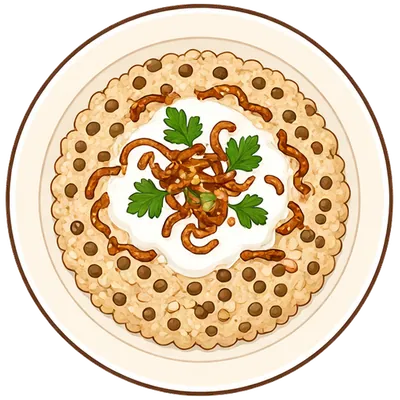
Fluffy basmati and lentils steamed together until the bottom turns into a golden, crackly crust, then crowned with buttery onions, raisins and cinnamon, a Persian rice dish that feels like a celebration.
- 70 min total
- 30 min hands-on
- A little more hands-on
- Serves 4
- About $0.88 a serving
- 520 calories
- Good the next day
- Vegetarian
- Gluten-free

Dolly says: Make the full amount. It’s just as good for lunch the next day.
Ingredients
For 4 servings.
- ½ cup lentils, brown or green, rinsed
- 1½ cups basmati rice, rinsed
- 2 tbsp butter
- 1 yellow onion, thinly sliced
- ⅓ cup raisins
- ½ cup plain Greek yogurt (optional)
- 2 tbsp fresh parsley, chopped (optional)
From your pantry
- 10 cups water, divided
- 2 tsp salt, divided
- ½ tsp ground cinnamon, divided
- ½ tsp ground cumin
- 3 tbsp vegetable oil, divided
- ¼ tsp ground turmeric
Each serving has about 520 calories, 12 g protein, 83 g carbs and 17 g fat, and costs about $0.88 at typical US grocery prices. Both are estimates from what the recipe uses.
Missing something?
- No basmati rice? Jasmine rice or long-grain white rice works.
- No butter? Ghee works.
- No yellow onions? White onions or red onions work.
- No raisins? Dried cranberries work.
- No plain Greek yogurt? Plain yogurt or sour cream works.
- No fresh parsley? Cilantro works.
Steps
Tap an underlined word for a quick explanation.
Put the lentils and 2 cups water in a small , over high heat, and 15 minutes, until just tender. .
Saucepan. A saucepan is a pot with tall, straight sides and one long handle. It’s for things that need depth, like rice, sauces or a few boiled eggs.
How you’ll know: The food fills it about halfway, leaving room to bubble without spilling over.
Bring to a boil. It means heating a liquid on high until it’s fully boiling before you move on. A lid on the pot gets it there faster, which makes it a good moment to chop something.
How you’ll know: Big bubbles break all over the surface, and they keep coming when you lift the lid.
Simmer. Simmering means keeping a liquid just below a boil, with small bubbles rising gently. It cooks food evenly and lets a sauce thicken without scorching on the bottom.
How you’ll know: Small, lazy bubbles break the surface every second or so, and nothing is churning.
Drain. Draining means pouring off liquid, like tipping pasta into a colander or spooning extra fat out of the pan. Pour hot grease into a can or jar, not the sink, where it hardens and clogs the pipes.
How you’ll know: Only a few drips are left, and the food isn’t sitting in a puddle.
Medium heatTimer: 15 min
Bring 8 cups water and 1½ teaspoons salt in a large pot over high heat. Add the rice and boil 6 minutes, until soft outside but still firm in the center, then .
Bring to a boil. It means heating a liquid on high until it’s fully boiling before you move on. A lid on the pot gets it there faster, which makes it a good moment to chop something.
How you’ll know: Big bubbles break all over the surface, and they keep coming when you lift the lid.
Drain. Draining means pouring off liquid, like tipping pasta into a colander or spooning extra fat out of the pan. Pour hot grease into a can or jar, not the sink, where it hardens and clogs the pipes.
How you’ll know: Only a few drips are left, and the food isn’t sitting in a puddle.
High heatTimer: 6 min
 Dolly’s tip: Bite a grain. It should be soft with a tiny firm dot in the middle.
the rice with the lentils, ¼ teaspoon cinnamon, the cumin and ½ teaspoon salt.
Toss. Tossing means gently lifting and turning food so everything gets coated, like pasta in sauce or vegetables in oil. It coats every piece evenly without mashing anything.
How you’ll know: Every piece looks glossy or evenly coated, with no dry spots hiding underneath.
Heat 2 tablespoons of the oil and 2 tablespoons of water in a nonstick pot over medium heat. Spoon in the rice, mounding it in the middle, and poke 5 holes down to the bottom with the handle of a spoon.
Medium heat
Wrap the lid in a clean dish towel, cover the pot tightly, and cook 8 to 10 minutes, until you hear a steady sizzle. Turn the heat to low and cook 30 minutes.
Low heatTimer: 40 min
Dolly’s tip: The towel soaks up steam so the rice stays fluffy. Tie the corners up on top, away from the burner.Meanwhile, the butter with the last tablespoon of oil in a over medium heat. Cook the onion 10 to 12 minutes, until , then stir in the raisins, turmeric and the rest of the cinnamon for 2 minutes.
Melt. Melting means gently heating something solid, like butter or cheese, until it turns liquid. Low or medium heat keeps it from browning or burning.
How you’ll know: It’s smooth and liquid, and butter may foam a little but hasn’t turned brown.
Skillet. A skillet is a frying pan: wide and flat with low, sloped sides. The shape lets steam escape, so food browns instead of stewing.
How you’ll know: It’s the pan you’d fry an egg in, and a 10 or 12 inch one handles most recipes.
Golden brown. Golden brown is the color of good toast, somewhere between yellow and light brown. It means the outside is cooked and crisp but not burnt.
How you’ll know: It looks like toast and smells toasty; dark brown with a bitter smell means it went too far.
Medium heatTimer: 12 min
Spoon the rice onto a platter, then lift out the crust from the bottom of the pot in pieces and lay them on top.
Golden brown. Golden brown is the color of good toast, somewhere between yellow and light brown. It means the outside is cooked and crisp but not burnt.
How you’ll know: It looks like toast and smells toasty; dark brown with a bitter smell means it went too far.
Dolly’s tip: That crust is called tahdig, and it’s the best part. Loosen it with a thin spatula.Scatter the onions and raisins over the rice and serve with yogurt and parsley.

Plan this in Dollop, and get the grocery list
Dollop puts this dinner on a night that suits your week, lists only what you still need to buy, and walks you through each step while you cook.