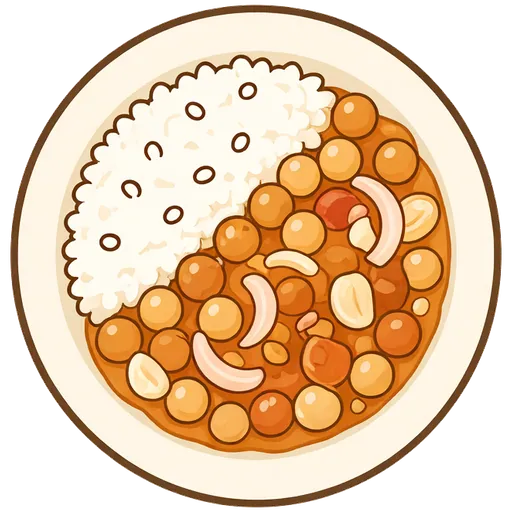
Kung pao chickpeas
Crispy chickpeas tossed in a glossy, sweet, sour and spicy kung pao sauce with garlic and onion, the takeout favorite made from a can and served over rice.
- 35 min total
- 20 min hands-on
- Follow-a-recipe easy
- Serves 4
- About $1.22 a serving
- 610 calories
- Vegan
- Dairy-free

Dolly says: Read the steps once before you start. Everything goes smoother after that.
Ingredients
For 4 servings.
- 1½ cups jasmine rice
- 2 cans chickpeas, drained and rinsed
- ½ yellow onion, cut into 1-inch pieces
- 4 cloves garlic, minced
- ⅓ cup peanuts, roasted (optional)
- 3 green onions, thinly sliced (optional)
From your pantry
- 2 cups water, divided
- ½ tsp salt
- 1½ tbsp cornstarch, divided
- 3 tbsp soy sauce
- 1 tbsp rice vinegar
- 1 tbsp sugar
- 3 tbsp vegetable oil, divided
- ½ tsp ground ginger
- ½ tsp red pepper flakes
Each serving has about 610 calories, 19 g protein, 99 g carbs and 15 g fat, and costs about $1.22 at typical US grocery prices. Both are estimates from what the recipe uses.
Missing something?
- No jasmine rice? Long-grain white rice or basmati rice works.
- No yellow onions? White onions or red onions work.
- No peanuts? Cashews work.
- No green onions? Chives work.
Steps
Tap an underlined word for a quick explanation.
the rice, put it in a with 1¾ cups water and the salt, and over high heat. Stir once, cover, and cook on low for 15 minutes.
Rinse. Rinsing means running cold water over rice or canned beans in a strainer while you swish them around. It washes off loose starch and can liquid, so rice cooks up fluffy and beans taste clean.
How you’ll know: The water running out goes from cloudy to mostly clear; it doesn’t have to be perfect.
Saucepan. A saucepan is a pot with tall, straight sides and one long handle. It’s for things that need depth, like rice, sauces or a few boiled eggs.
How you’ll know: The food fills it about halfway, leaving room to bubble without spilling over.
Bring to a boil. It means heating a liquid on high until it’s fully boiling before you move on. A lid on the pot gets it there faster, which makes it a good moment to chop something.
How you’ll know: Big bubbles break all over the surface, and they keep coming when you lift the lid.
Low heatTimer: 15 min
the chickpeas very dry with a clean towel, then them in a bowl with 1 tablespoon cornstarch until dusted.
Pat dry. Patting dry means pressing paper towels onto food to soak up the moisture on its surface. Wet food steams instead of browning, so this is how you get a good sear and crisp skin.
How you’ll know: The surface feels tacky, not wet, and the last paper towel comes away barely damp.
Toss. Tossing means gently lifting and turning food so everything gets coated, like pasta in sauce or vegetables in oil. It coats every piece evenly without mashing anything.
How you’ll know: Every piece looks glossy or evenly coated, with no dry spots hiding underneath.
 Dolly’s tip: The cornstarch is what makes them crisp on the outside, like takeout.
Stir the soy sauce, vinegar, sugar, ¼ cup water and the rest of the cornstarch in a small bowl until smooth.
Heat 2 tablespoons oil in a large over medium-high until it . Add the chickpeas in one layer and cook, shaking the pan now and then, 8 to 10 minutes, until and .
Skillet. A skillet is a frying pan: wide and flat with low, sloped sides. The shape lets steam escape, so food browns instead of stewing.
How you’ll know: It’s the pan you’d fry an egg in, and a 10 or 12 inch one handles most recipes.
Shimmering oil. Oil shimmers when it’s hot enough to cook: its surface looks rippled and wavy, like heat over a road. That’s your cue to add the food, just before the oil would start to smoke.
How you’ll know: The oil looks wavy and runs thin like water when you tilt the pan, with no smoke yet.
Golden brown. Golden brown is the color of good toast, somewhere between yellow and light brown. It means the outside is cooked and crisp but not burnt.
How you’ll know: It looks like toast and smells toasty; dark brown with a bitter smell means it went too far.
Crispy. Crispy means the outside is dry, firm and crunchy. It comes from high heat, a little oil and room in the pan, because crowded food steams and goes soft.
How you’ll know: It sounds crunchy when you tap or bite it, and it doesn’t flop when you lift it.
Medium-high heatTimer: 9 min
Dolly’s tip: A few may pop and jump. Hold a lid over the pan like a shield if they do.Push the chickpeas to the side, add the last tablespoon of oil, and the onion 2 minutes, until just soft at the edges.
Stir-fry. Stir-frying means cooking small pieces fast over high heat in a little oil, stirring almost constantly. It moves quickly, so have everything chopped and ready before the pan gets hot.
How you’ll know: It sizzles loudly the whole time, and the vegetables turn bright and tender-crisp in minutes.
Medium-high heatTimer: 2 min
Add the garlic, ginger and red pepper flakes and 30 seconds, .
Stir-fry. Stir-frying means cooking small pieces fast over high heat in a little oil, stirring almost constantly. It moves quickly, so have everything chopped and ready before the pan gets hot.
How you’ll know: It sizzles loudly the whole time, and the vegetables turn bright and tender-crisp in minutes.
Fragrant. Fragrant means cooking until you can clearly smell it, usually garlic or spices, often in about 30 seconds. That’s the moment the flavor is ready, just before it can burn.
How you’ll know: You can smell it from a step back, and garlic is pale gold, not brown.
Medium-high heat
Stir the sauce and pour it in. everything for 1 minute, until the sauce is thick and glossy and coats the chickpeas.
Toss. Tossing means gently lifting and turning food so everything gets coated, like pasta in sauce or vegetables in oil. It coats every piece evenly without mashing anything.
How you’ll know: Every piece looks glossy or evenly coated, with no dry spots hiding underneath.
Medium-high heatTimer: 1 min
in the peanuts, spoon over the fluffed rice, and top with green onions.
Toss. Tossing means gently lifting and turning food so everything gets coated, like pasta in sauce or vegetables in oil. It coats every piece evenly without mashing anything.
How you’ll know: Every piece looks glossy or evenly coated, with no dry spots hiding underneath.

Plan this in Dollop, and get the grocery list
Dollop puts this dinner on a night that suits your week, lists only what you still need to buy, and walks you through each step while you cook.