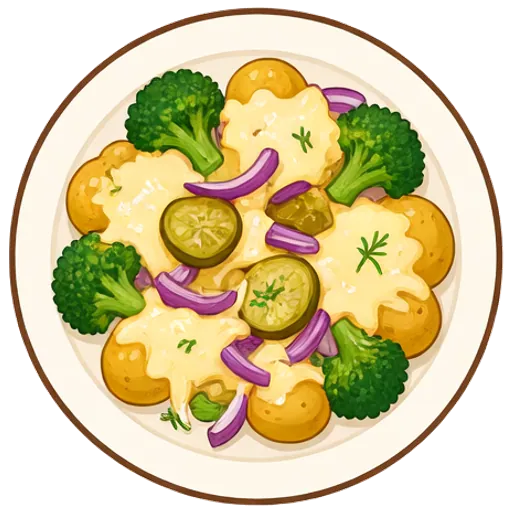
Sheet pan raclette potatoes
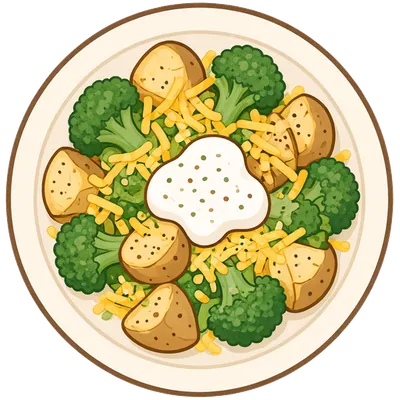
Crispy roasted potatoes and broccoli buried under melted swiss, with pickles, red onion and mustard on the side, the Swiss ski-lodge dinner made on one pan.
- 50 min total
- 15 min hands-on
- Anyone can make this
- Serves 4
- About $2.83 a serving
- 490 calories
- Vegetarian
- Gluten-free

Dolly says: Most of the time here is hands-off, so you can sit down while it cooks.
Ingredients
For 4 servings.
- 2 lb baby potatoes, halved
- 1 broccoli, cut into florets
- 8 oz Swiss cheese, sliced
- ½ red onion, thinly sliced
- 1 cup dill pickles, sliced
- 2 tbsp Dijon mustard
From your pantry
- 2 tbsp olive oil, divided
- 1 tsp salt
- ½ tsp black pepper
- 1 pinch paprika
Each serving has about 490 calories, 23 g protein, 46 g carbs and 25 g fat, and costs about $2.83 at typical US grocery prices. Both are estimates from what the recipe uses.
Missing something?
- No baby potatoes? Red potatoes or Yukon Gold potatoes work.
- No broccoli? Frozen broccoli works.
- No red onions? White onions or yellow onions work.
Steps
Tap an underlined word for a quick explanation.
the oven to 425°F. the potatoes on a with 1½ tablespoons oil, the salt and pepper and spread them cut side down.
Preheat. Preheating means turning the oven on before you start, so it’s fully hot when the food goes in. Food that starts in a cold oven cooks unevenly and doesn’t brown the same.
How you’ll know: The oven beeps or its light clicks off, usually 10 to 15 minutes after you turn it on.
Toss. Tossing means gently lifting and turning food so everything gets coated, like pasta in sauce or vegetables in oil. It coats every piece evenly without mashing anything.
How you’ll know: Every piece looks glossy or evenly coated, with no dry spots hiding underneath.
Halve. Halving means cutting something into two equal pieces. Even halves cook at the same speed, so one doesn’t dry out while the other finishes.
How you’ll know: The two pieces look like mirror images of each other.
Sheet pan. A sheet pan is a flat metal baking tray with a low rim all the way around. The rim catches juices, and the wide surface lets food spread out and brown.
How you’ll know: Everything fits in one layer with a little space between the pieces.
20 minutes.
Roast. Roasting means cooking in a hot oven, around 400°F to 450°F, usually spread out on a sheet pan. The dry heat browns the outside and brings out sweetness, especially in vegetables.
How you’ll know: The edges are browned and a little crisp, and a fork slides easily into the thickest piece.
Timer: 20 min
the broccoli florets with the rest of the oil, add them to the pan and 12 to 15 minutes more, until the potatoes are and tender and the broccoli is at the tips.
Toss. Tossing means gently lifting and turning food so everything gets coated, like pasta in sauce or vegetables in oil. It coats every piece evenly without mashing anything.
How you’ll know: Every piece looks glossy or evenly coated, with no dry spots hiding underneath.
Roast. Roasting means cooking in a hot oven, around 400°F to 450°F, usually spread out on a sheet pan. The dry heat browns the outside and brings out sweetness, especially in vegetables.
How you’ll know: The edges are browned and a little crisp, and a fork slides easily into the thickest piece.
Golden brown. Golden brown is the color of good toast, somewhere between yellow and light brown. It means the outside is cooked and crisp but not burnt.
How you’ll know: It looks like toast and smells toasty; dark brown with a bitter smell means it went too far.
Char. Charring means cooking over very high heat until some spots turn black. Those dark spots add a smoky, slightly bitter flavor that balances sweet or rich food.
How you’ll know: You see black spots and blisters in places, while most of the surface keeps its own color.
Timer: 13 min 30 sec
Push everything into 4 piles and lay the cheese slices over each. 3 to 5 minutes, until the cheese is and bubbling.
Bake. Baking means cooking in the oven with dry heat all around the food. It cooks evenly from every side, so you can mostly leave it alone.
How you’ll know: It’s golden on top and passes the recipe’s check, like a clean toothpick or the right temperature.
Melt. Melting means gently heating something solid, like butter or cheese, until it turns liquid. Low or medium heat keeps it from browning or burning.
How you’ll know: It’s smooth and liquid, and butter may foam a little but hasn’t turned brown.
Timer: 4 min
 Dolly’s tip: Watch it closely. You want the cheese draped and gooey, not browned.
Meanwhile, the red onion and the pickles.
Thinly slice. Thinly slicing means cutting slices about an eighth of an inch thick, roughly two coins stacked. Thin slices cook in seconds and soften fast, which quick dishes need.
How you’ll know: A slice bends a little when you hold it by one edge, and slow, steady cuts beat fast ones.
Serve straight from the pan with the pickles, onion, a dusting of paprika and mustard on the side.

Plan this in Dollop, and get the grocery list
Dollop puts this dinner on a night that suits your week, lists only what you still need to buy, and walks you through each step while you cook.