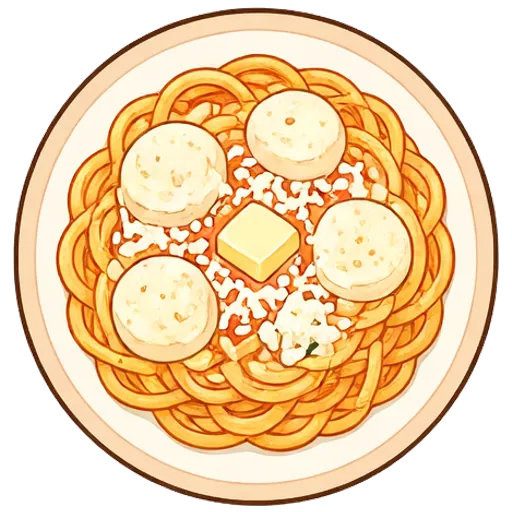
Spaghetti pie
Spaghetti baked into a golden, parmesan-crusted pie with a layer of ricotta and marinara, then cut into wedges like pizza.
- 60 min total
- 25 min hands-on
- Follow-a-recipe easy
- Serves 6
- About $1.26 a serving
- 400 calories
- Good the next day
- Vegetarian

Dolly says: Make the full amount. It’s just as good for lunch the next day.
Ingredients
For 6 servings.
- 2 tbsp butter, plus a little for the dish
- 8 oz spaghetti
- 2 large eggs
- ½ cup grated parmesan
- 1 cup ricotta cheese
- 1½ cups marinara sauce
- 1 cup shredded mozzarella
From your pantry
- 1 tbsp salt
- ½ tsp Italian seasoning
Each serving has about 400 calories, 20 g protein, 37 g carbs and 19 g fat, and costs about $1.26 at typical US grocery prices. Both are estimates from what the recipe uses.
Missing something?
- No butter? Ghee works.
- No spaghetti? Fettuccine works.
- No grated parmesan? Parmesan wedge works.
- No ricotta cheese? Cottage cheese works.
- No shredded mozzarella? Provolone slices work.
Steps
Tap an underlined word for a quick explanation.
the oven to 350°F and butter a 9-inch pie plate. Fill a large pot with water, add the salt, and over high heat.
Preheat. Preheating means turning the oven on before you start, so it’s fully hot when the food goes in. Food that starts in a cold oven cooks unevenly and doesn’t brown the same.
How you’ll know: The oven beeps or its light clicks off, usually 10 to 15 minutes after you turn it on.
Bring to a boil. It means heating a liquid on high until it’s fully boiling before you move on. A lid on the pot gets it there faster, which makes it a good moment to chop something.
How you’ll know: Big bubbles break all over the surface, and they keep coming when you lift the lid.
High heat
Cook the spaghetti 1 minute less than the package says, it, and it in the pot with the butter until . Let it cool 5 minutes.
Drain. Draining means pouring off liquid, like tipping pasta into a colander or spooning extra fat out of the pan. Pour hot grease into a can or jar, not the sink, where it hardens and clogs the pipes.
How you’ll know: Only a few drips are left, and the food isn’t sitting in a puddle.
Toss. Tossing means gently lifting and turning food so everything gets coated, like pasta in sauce or vegetables in oil. It coats every piece evenly without mashing anything.
How you’ll know: Every piece looks glossy or evenly coated, with no dry spots hiding underneath.
Melt. Melting means gently heating something solid, like butter or cheese, until it turns liquid. Low or medium heat keeps it from browning or burning.
How you’ll know: It’s smooth and liquid, and butter may foam a little but hasn’t turned brown.
High heatTimer: 9 min
the eggs and parmesan in a small bowl, pour it over the spaghetti, and until every strand is coated.
Whisk. Whisking means beating quickly with a whisk or a fork to blend things together. It smooths out lumps and mixes eggs, oil or sauces evenly.
How you’ll know: It all looks one even color and texture, with no streaks or lumps.
Toss. Tossing means gently lifting and turning food so everything gets coated, like pasta in sauce or vegetables in oil. It coats every piece evenly without mashing anything.
How you’ll know: Every piece looks glossy or evenly coated, with no dry spots hiding underneath.
 Dolly’s tip: Letting the spaghetti cool first keeps the eggs from scrambling on contact.
Press the spaghetti into the pie plate and up the sides to make a crust.
Stir the ricotta with the Italian seasoning, spread it over the spaghetti crust, and spoon the marinara over the top.
20 minutes.
Bake. Baking means cooking in the oven with dry heat all around the food. It cooks evenly from every side, so you can mostly leave it alone.
How you’ll know: It’s golden on top and passes the recipe’s check, like a clean toothpick or the right temperature.
Timer: 20 min
Scatter the mozzarella over the top and bake 10 minutes more, until and the middle is set.
Melt. Melting means gently heating something solid, like butter or cheese, until it turns liquid. Low or medium heat keeps it from browning or burning.
How you’ll know: It’s smooth and liquid, and butter may foam a little but hasn’t turned brown.
Timer: 10 min
Food safety: For the safest eggs, cook until the whites are fully set and the yolks begin to thicken. Dishes made with eggs are done at 160°F.
Let it 10 minutes, then cut into wedges.
Rest. Resting means letting cooked meat sit for a few minutes before you cut it. It keeps cooking gently, and more of the juice stays in the meat instead of running onto the board.
How you’ll know: Loosely covered with foil, it stays hot, and very little juice runs out when you slice it.
Timer: 10 min
Dolly’s tip: Resting is what makes the wedges hold. Cut it hot and it’s still delicious, just messier.

Plan this in Dollop, and get the grocery list
Dollop puts this dinner on a night that suits your week, lists only what you still need to buy, and walks you through each step while you cook.
More dinners like this
Broccoli cheddar pasta bake
45 min

Cheese stuffed shells
70 min
Cheesy baked orzo
50 min
Sheet pan lasagna
50 min
Vegetarian dinners ›Cozy comfort food ›What to make with pasta and parmesan ›What to make with parmesan and shredded mozzarella ›What to make with eggs and parmesan ›