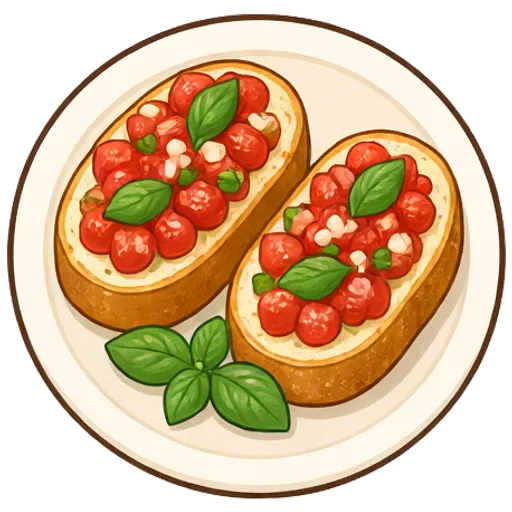
Tomato basil bruschetta
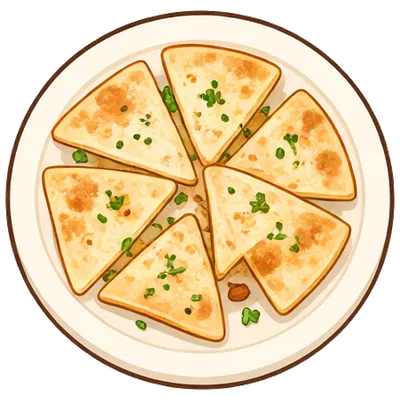
Crisp garlic toasts piled with juicy tomatoes, basil and a little balsamic, and every part of it is ready before you are.
- 35 min total
- 25 min hands-on
- Follow-a-recipe easy
- Serves 12
- About $0.63 a serving
- 150 calories
- Vegan
- Dairy-free

Dolly says: Read the steps once before you start. Everything goes smoother after that.
Ingredients
For 12 servings.
- 1 French bread, baguette
- 6 Roma tomatoes
- 3 cloves garlic, divided
- ½ cup fresh basil, leaves
From your pantry
- ⅓ cup olive oil, divided
- 1 tbsp balsamic vinegar
- ¾ tsp salt
- ¼ tsp black pepper
Each serving has about 150 calories, 4 g protein, 19 g carbs and 7 g fat, and costs about $0.63 at typical US grocery prices. Both are estimates from what the recipe uses.
Missing something?
- No French bread? Sourdough bread works.
Steps
Tap an underlined word for a quick explanation.
the oven to 400°F and cut the baguette into slices about ½ inch thick, on a slight angle.
Preheat. Preheating means turning the oven on before you start, so it’s fully hot when the food goes in. Food that starts in a cold oven cooks unevenly and doesn’t brown the same.
How you’ll know: The oven beeps or its light clicks off, usually 10 to 15 minutes after you turn it on.
Lay the bread on a , with 2 tablespoons of the oil, and 8 to 10 minutes, until and at the edges.
Sheet pan. A sheet pan is a flat metal baking tray with a low rim all the way around. The rim catches juices, and the wide surface lets food spread out and brown.
How you’ll know: Everything fits in one layer with a little space between the pieces.
Drizzle. Drizzling means pouring a thin, slow stream over the top of something. A thin stream spreads a little flavor a long way.
How you’ll know: You see thin lines across the food, not a puddle collecting underneath.
Bake. Baking means cooking in the oven with dry heat all around the food. It cooks evenly from every side, so you can mostly leave it alone.
How you’ll know: It’s golden on top and passes the recipe’s check, like a clean toothpick or the right temperature.
Golden brown. Golden brown is the color of good toast, somewhere between yellow and light brown. It means the outside is cooked and crisp but not burnt.
How you’ll know: It looks like toast and smells toasty; dark brown with a bitter smell means it went too far.
Crispy. Crispy means the outside is dry, firm and crunchy. It comes from high heat, a little oil and room in the pan, because crowded food steams and goes soft.
How you’ll know: It sounds crunchy when you tap or bite it, and it doesn’t flop when you lift it.
Timer: 9 min
While the toasts bake, the tomatoes, scoop out the watery seeds with your finger, and them.
Halve. Halving means cutting something into two equal pieces. Even halves cook at the same speed, so one doesn’t dry out while the other finishes.
How you’ll know: The two pieces look like mirror images of each other.
Dice. Dicing means cutting food into small, even cubes, usually a quarter to half an inch across. Pieces the same size cook at the same speed, so nothing burns while the rest catches up.
How you’ll know: Your pieces are little cubes about the size of a chickpea, and they all look close to the same.
 Dolly’s tip: Scooping out the seeds keeps the topping from soaking the bread.
2 of the garlic cloves and the basil.
Mince. Mincing means chopping something into the tiniest pieces you can, smaller than a grain of rice. Tiny pieces melt into the dish, so you get the flavor without biting into a chunk of garlic.
How you’ll know: Every piece is tiny and about the same size, and the pile starts to look almost like a paste.
Thinly slice. Thinly slicing means cutting slices about an eighth of an inch thick, roughly two coins stacked. Thin slices cook in seconds and soften fast, which quick dishes need.
How you’ll know: A slice bends a little when you hold it by one edge, and slow, steady cuts beat fast ones.
the tomatoes, minced garlic, basil, balsamic, salt, pepper and the rest of the oil together in a bowl.
Stir. Stirring means moving food around with a spoon or spatula so it cooks evenly and doesn’t stick. Unless the recipe says constantly, every so often is plenty, and it gives food time to brown.
How you’ll know: When you drag the spoon across the bottom, nothing is sticking or scorching.
Dolly’s tip: Let it sit 15 minutes if you can. The salt draws out the juice and it gets tastier.Cut the last garlic clove in half and rub the cut side over each warm toast.
Dolly’s tip: The rough toast grates the garlic like sandpaper, so a couple of swipes is plenty.Spoon the tomatoes onto the toasts with a slotted spoon just before serving.
Dolly’s tip: Toasts keep 2 days in a sealed bag and the topping keeps 4 hours in the fridge. Topped, they can sit out up to 2 hours, but they’re crispest in the first 30 minutes.

Plan this in Dollop, and get the grocery list
When you host a dinner, Dollop builds the menu around your guests’ allergies, works out a cooking timeline back from when everyone sits down, and puts it all on one grocery list.