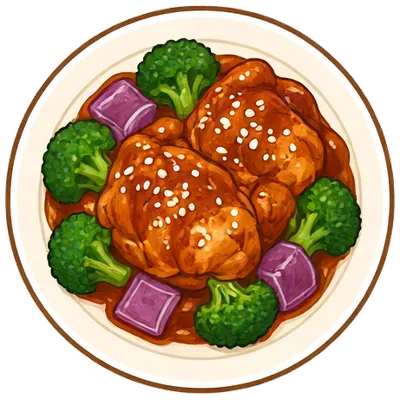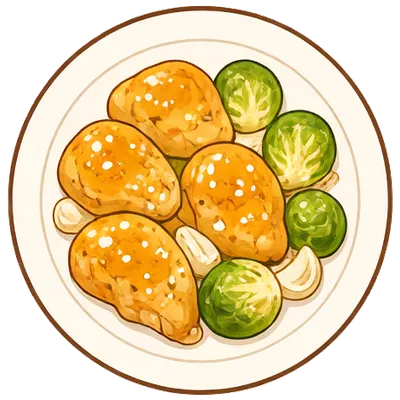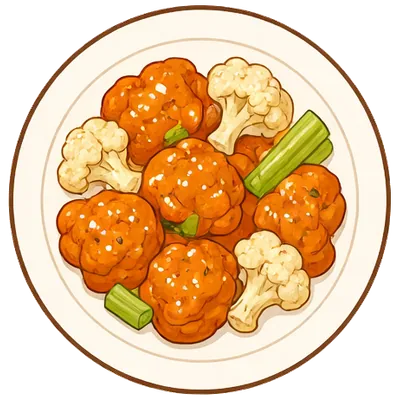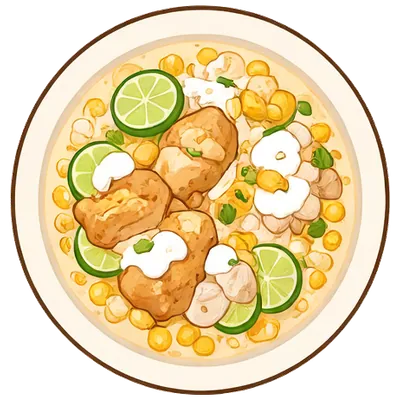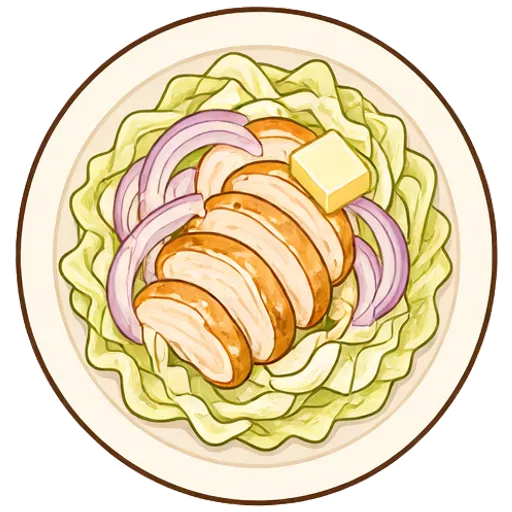
Chicken and cabbage skillet
Tender chicken and sweet, buttery cabbage with onion and plenty of paprika, finished with a dollop of sour cream, cheap and deeply cozy.
- 35 min total
- 25 min hands-on
- Anyone can make this
- Serves 4
- About $2.10 a serving
- 340 calories
- Good the next day
- Gluten-free

Dolly says: Make the full amount. It’s just as good for lunch the next day.
Ingredients
For 4 servings.
- 1¼ lb chicken breasts, cut into bite-size pieces
- 2 tbsp butter
- 1 yellow onion, sliced
- ½ green cabbage, cored and thinly sliced
- 2 cloves garlic, minced
- ½ cup chicken broth
- ⅓ cup sour cream
- 1 tbsp fresh dill, chopped (optional)
From your pantry
- 1 tbsp paprika, divided
- 1¼ tsp salt, divided
- ½ tsp black pepper
- 1 tbsp vegetable oil
- 1 tbsp apple cider vinegar
Each serving has about 340 calories, 35 g protein, 13 g carbs and 17 g fat, and costs about $2.10 at typical US grocery prices. Both are estimates from what the recipe uses.
Missing something?
- No chicken breasts? Boneless chicken thighs or chicken tenderloins work.
- No butter? Ghee works.
- No yellow onions? White onions or red onions work.
- No green cabbage? Red cabbage or coleslaw mix works.
- No chicken broth? Vegetable broth or bone broth works.
- No sour cream? Plain Greek yogurt works.
Steps
Tap an underlined word for a quick explanation.
the chicken with 1 teaspoon of paprika, ½ teaspoon of salt and the pepper, and wash your hands and board.
Toss. Tossing means gently lifting and turning food so everything gets coated, like pasta in sauce or vegetables in oil. It coats every piece evenly without mashing anything.
How you’ll know: Every piece looks glossy or evenly coated, with no dry spots hiding underneath.
Food safety: Wash your hands, the board and the knife with hot soapy water after touching raw meat, and don’t rinse raw chicken in the sink.
Heat the oil in a large, deep over medium-high and cook the chicken 5 to 6 minutes, until the biggest piece reads 165°F. Move it to a plate.
Skillet. A skillet is a frying pan: wide and flat with low, sloped sides. The shape lets steam escape, so food browns instead of stewing.
How you’ll know: It’s the pan you’d fry an egg in, and a 10 or 12 inch one handles most recipes.
Medium-high heatTimer: 5 min 30 sec
Food safety: Chicken and turkey are done at 165°F in the thickest part. A thermometer is the only sure check. Without one, cut into the thickest piece: it should be white all the way through, with no pink.
Add the butter and onion and cook 3 minutes over medium heat, until .
Softened. For vegetables it means cooked until they bend and lose their crunch; for butter, left out until it dents easily. Soft onions taste sweet, and soft butter mixes in smoothly.
How you’ll know: Onions squash easily against the pan with your spoon, and butter dents under a finger without looking greasy.
Medium heatTimer: 3 min
Add the cabbage with the rest of the salt and cook 8 to 10 minutes, now and then, until and in spots.
Stir. Stirring means moving food around with a spoon or spatula so it cooks evenly and doesn’t stick. Unless the recipe says constantly, every so often is plenty, and it gives food time to brown.
How you’ll know: When you drag the spoon across the bottom, nothing is sticking or scorching.
Wilt. Wilting means cooking leafy greens just until they go soft and collapse. Greens shrink a lot, so a big pile of spinach becomes a small handful, and that’s normal.
How you’ll know: The leaves turn soft and deep green and slump into the pan, usually within a minute or two.
Golden brown. Golden brown is the color of good toast, somewhere between yellow and light brown. It means the outside is cooked and crisp but not burnt.
How you’ll know: It looks like toast and smells toasty; dark brown with a bitter smell means it went too far.
Medium heatTimer: 9 min
 Dolly’s tip: It looks like far too much cabbage at first. It cooks down to about a third.
in the garlic and the rest of the paprika for 30 seconds, then add the broth and vinegar and 2 minutes.
Stir. Stirring means moving food around with a spoon or spatula so it cooks evenly and doesn’t stick. Unless the recipe says constantly, every so often is plenty, and it gives food time to brown.
How you’ll know: When you drag the spoon across the bottom, nothing is sticking or scorching.
Simmer. Simmering means keeping a liquid just below a boil, with small bubbles rising gently. It cooks food evenly and lets a sauce thicken without scorching on the bottom.
How you’ll know: Small, lazy bubbles break the surface every second or so, and nothing is churning.
Medium heatTimer: 2 min 30 sec
Return the chicken and until hot.
Toss. Tossing means gently lifting and turning food so everything gets coated, like pasta in sauce or vegetables in oil. It coats every piece evenly without mashing anything.
How you’ll know: Every piece looks glossy or evenly coated, with no dry spots hiding underneath.
Medium heat
Serve with a spoonful of sour cream and the dill on top.

Plan this in Dollop, and get the grocery list
Dollop puts this dinner on a night that suits your week, lists only what you still need to buy, and walks you through each step while you cook.