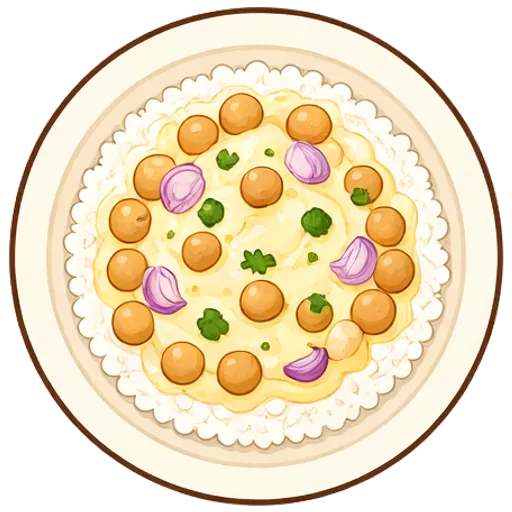
Chickpea piccata
Golden, crispy chickpeas in a buttery lemon and caper pan sauce over fluffy rice, the bright Italian-American classic turned into a quick dinner for two.
- 35 min total
- 20 min hands-on
- Follow-a-recipe easy
- Serves 2
- About $2.92 a serving
- 730 calories
- Vegetarian
- Gluten-free

Dolly says: Read the steps once before you start. Everything goes smoother after that.
Ingredients
For 2 servings.
- ¾ cup long-grain white rice, rinsed
- 1 can chickpeas, drained, rinsed and patted dry
- 3 tbsp butter, divided
- 1 shallot, finely chopped
- 2 cloves garlic, minced
- ½ cup vegetable broth
- 1 lemon, juiced
- 2 tbsp capers, drained
- 2 cups baby spinach
- 2 tbsp fresh parsley, chopped
From your pantry
- 1¼ cups water
- ¾ tsp salt, divided
- 1 tbsp olive oil
Each serving has about 730 calories, 20 g protein, 99 g carbs and 29 g fat, and costs about $2.92 at typical US grocery prices. Both are estimates from what the recipe uses.
Missing something?
- No long-grain white rice? Jasmine rice or basmati rice works.
- No butter? Ghee works.
- No lemons? Limes work.
- No baby spinach? Kale or arugula works.
- No fresh parsley? Cilantro works.
Steps
Tap an underlined word for a quick explanation.
Put the rice, water and ½ teaspoon salt in a and over high heat.
Saucepan. A saucepan is a pot with tall, straight sides and one long handle. It’s for things that need depth, like rice, sauces or a few boiled eggs.
How you’ll know: The food fills it about halfway, leaving room to bubble without spilling over.
Bring to a boil. It means heating a liquid on high until it’s fully boiling before you move on. A lid on the pot gets it there faster, which makes it a good moment to chop something.
How you’ll know: Big bubbles break all over the surface, and they keep coming when you lift the lid.
High heat
Stir once, cover, and cook on low 18 minutes, then leave it covered off the heat.
Low heatTimer: 18 min
Heat the oil in a large over medium-high heat.
Skillet. A skillet is a frying pan: wide and flat with low, sloped sides. The shape lets steam escape, so food browns instead of stewing.
How you’ll know: It’s the pan you’d fry an egg in, and a 10 or 12 inch one handles most recipes.
Medium-high heat
Add the chickpeas and cook, shaking the pan now and then, 6 to 7 minutes, until and .
Golden brown. Golden brown is the color of good toast, somewhere between yellow and light brown. It means the outside is cooked and crisp but not burnt.
How you’ll know: It looks like toast and smells toasty; dark brown with a bitter smell means it went too far.
Crispy. Crispy means the outside is dry, firm and crunchy. It comes from high heat, a little oil and room in the pan, because crowded food steams and goes soft.
How you’ll know: It sounds crunchy when you tap or bite it, and it doesn’t flop when you lift it.
Medium-high heatTimer: 6 min
Tip them onto a plate.
Turn the heat to medium, 1 tablespoon of the butter, and cook the shallot 2 minutes, until soft. Add the garlic for 30 seconds.
Melt. Melting means gently heating something solid, like butter or cheese, until it turns liquid. Low or medium heat keeps it from browning or burning.
How you’ll know: It’s smooth and liquid, and butter may foam a little but hasn’t turned brown.
Medium heat
Pour in the broth, lemon juice and capers and 2 to 3 minutes, , until by about a third.
Simmer. Simmering means keeping a liquid just below a boil, with small bubbles rising gently. It cooks food evenly and lets a sauce thicken without scorching on the bottom.
How you’ll know: Small, lazy bubbles break the surface every second or so, and nothing is churning.
Scrape up the browned bits. It means loosening the brown bits stuck to the pan with a wooden spoon, usually right after adding liquid. Those bits are concentrated flavor, and they melt into the sauce.
How you’ll know: The bottom of the pan looks clean again, and the liquid turns darker and richer.
Reduce. Reducing means simmering a liquid with the lid off so some of the water steams away. The sauce gets thicker and its flavor gets stronger.
How you’ll know: The level drops in the pan, and the sauce coats the back of a spoon instead of running off.
Medium heatTimer: 2 min
Stir in the spinach until it , then take the pan off the heat and swirl in the last 2 tablespoons of butter until the sauce looks glossy.
Wilt. Wilting means cooking leafy greens just until they go soft and collapse. Greens shrink a lot, so a big pile of spinach becomes a small handful, and that’s normal.
How you’ll know: The leaves turn soft and deep green and slump into the pan, usually within a minute or two.
 Dolly’s tip: Swirling cold butter in off the heat is what makes a pan sauce silky instead of greasy.
Tip the chickpeas back in with the parsley and of salt and . Spoon over the rice.
Pinch. A pinch is what you can hold between your thumb and two fingers, less than an eighth of a teaspoon. It’s a small, forgiving amount, so there’s no need to measure.
How you’ll know: It’s a light sprinkle you can barely see on the food, not a little pile.
Toss. Tossing means gently lifting and turning food so everything gets coated, like pasta in sauce or vegetables in oil. It coats every piece evenly without mashing anything.
How you’ll know: Every piece looks glossy or evenly coated, with no dry spots hiding underneath.

Plan this in Dollop, and get the grocery list
Dollop puts this dinner on a night that suits your week, lists only what you still need to buy, and walks you through each step while you cook.
More dinners like this
Korean rolled omelette (gyeran-mari) with rice
35 min
Huevos a la cubana (Cuban rice with fried eggs and plantains)
40 min
Tofu steaks with garlic butter soy sauce
40 min
Tempeh piccata
45 min
Vegetarian dinners ›Pantry dinners ›What to make with chickpeas and rice ›What to make with rice and spinach ›