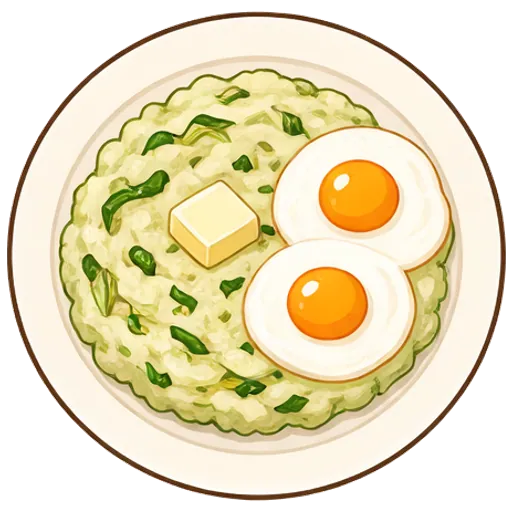
Colcannon with fried eggs
Buttery Irish mashed potatoes folded with soft, sweet cabbage and topped with two runny-yolked eggs, cheap and deeply comforting.
- 45 min total
- 25 min hands-on
- Follow-a-recipe easy
- Serves 4
- About $2.37 a serving
- 480 calories
- Vegetarian
- Gluten-free

Dolly says: Read the steps once before you start. Everything goes smoother after that.
Ingredients
For 4 servings.
- 2 lb Yukon Gold potatoes
- ¼ cup butter, divided
- ½ head green cabbage, cored and thinly sliced
- ¾ cup milk
- 4 green onions, thinly sliced
- 8 large eggs
From your pantry
- 2 tsp salt, divided
- ½ tsp black pepper
Each serving has about 480 calories, 21 g protein, 50 g carbs and 22 g fat, and costs about $2.37 at typical US grocery prices. Both are estimates from what the recipe uses.
Missing something?
- No Yukon Gold potatoes? Russet potatoes or red potatoes work.
- No butter? Ghee works.
- No green cabbage? Red cabbage or coleslaw mix works.
- No milk? Half-and-half works.
- No green onions? Chives work.
Steps
Tap an underlined word for a quick explanation.
the potatoes and cut them into 2-inch chunks. Put them in a large pot, cover with cold water by an inch, add 1 teaspoon salt and over high heat.
Peel. Peeling means removing the skin with a vegetable peeler or a small knife. It takes off tough or bitter skins, though potato and carrot skins are fine to leave on unless the recipe insists.
How you’ll know: The color underneath is even all over, with no patches of skin left behind.
Bring to a boil. It means heating a liquid on high until it’s fully boiling before you move on. A lid on the pot gets it there faster, which makes it a good moment to chop something.
How you’ll know: Big bubbles break all over the surface, and they keep coming when you lift the lid.
High heat
to medium and until a fork slides into a chunk with no push, 15 to 18 minutes.
Reduce the heat. It means turning the burner down, usually to medium-low or low, so food cooks gently instead of hard. Electric burners cool slowly, so lift the pan off for a moment if it’s bubbling hard.
How you’ll know: Within a minute the bubbling calms to a gentle simmer, or the sizzle turns quiet.
Simmer. Simmering means keeping a liquid just below a boil, with small bubbles rising gently. It cooks food evenly and lets a sauce thicken without scorching on the bottom.
How you’ll know: Small, lazy bubbles break the surface every second or so, and nothing is churning.
Medium heatTimer: 16 min
While they cook, 2 tablespoons butter in a large over medium heat. Add the cabbage and of salt and cook, stirring now and then, until soft and sweet, 8 to 10 minutes.
Melt. Melting means gently heating something solid, like butter or cheese, until it turns liquid. Low or medium heat keeps it from browning or burning.
How you’ll know: It’s smooth and liquid, and butter may foam a little but hasn’t turned brown.
Skillet. A skillet is a frying pan: wide and flat with low, sloped sides. The shape lets steam escape, so food browns instead of stewing.
How you’ll know: It’s the pan you’d fry an egg in, and a 10 or 12 inch one handles most recipes.
Pinch. A pinch is what you can hold between your thumb and two fingers, less than an eighth of a teaspoon. It’s a small, forgiving amount, so there’s no need to measure.
How you’ll know: It’s a light sprinkle you can barely see on the food, not a little pile.
Medium heatTimer: 9 min
 Dolly’s tip: You want it tender with a few golden edges, not crunchy.
Pour the milk into the cabbage, add most of the green onions and let it warm for 1 minute.
Medium heat
the potatoes, tip them back into the pot and mash until mostly smooth.
Drain. Draining means pouring off liquid, like tipping pasta into a colander or spooning extra fat out of the pan. Pour hot grease into a can or jar, not the sink, where it hardens and clogs the pipes.
How you’ll know: Only a few drips are left, and the food isn’t sitting in a puddle.
Stir in the cabbage and milk, the pepper and ½ teaspoon salt.
Cover to keep warm.
Wipe out the and 1 tablespoon butter over medium heat. Crack in 4 eggs, sprinkle with of salt and cook until the whites are fully set and the yolks are still soft, 3 to 4 minutes.
Skillet. A skillet is a frying pan: wide and flat with low, sloped sides. The shape lets steam escape, so food browns instead of stewing.
How you’ll know: It’s the pan you’d fry an egg in, and a 10 or 12 inch one handles most recipes.
Melt. Melting means gently heating something solid, like butter or cheese, until it turns liquid. Low or medium heat keeps it from browning or burning.
How you’ll know: It’s smooth and liquid, and butter may foam a little but hasn’t turned brown.
Pinch. A pinch is what you can hold between your thumb and two fingers, less than an eighth of a teaspoon. It’s a small, forgiving amount, so there’s no need to measure.
How you’ll know: It’s a light sprinkle you can barely see on the food, not a little pile.
Medium heatTimer: 4 min
Dolly’s tip: If the tops of the whites still look clear, cover the pan for the last minute.Food safety: Soft yolks are a small risk. If you’re pregnant, or cooking for small children or older people, cook the eggs until the yolks are firm, or use pasteurized eggs.
Slide the eggs onto a plate and fry the other 4 the same way with the last tablespoon of butter.
Medium heatTimer: 4 min
Pile the colcannon into bowls, make a dip in the top of each and set two eggs in it. Scatter the rest of the green onions over.

Plan this in Dollop, and get the grocery list
Dollop puts this dinner on a night that suits your week, lists only what you still need to buy, and walks you through each step while you cook.
More dinners like this
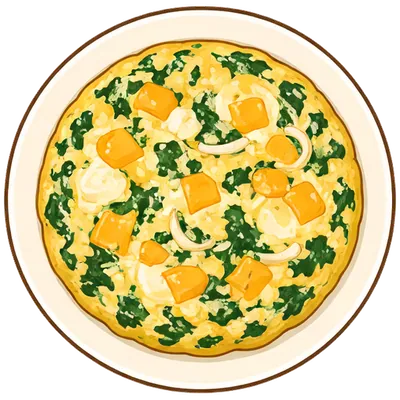
Spinach and cheddar frittata
35 min
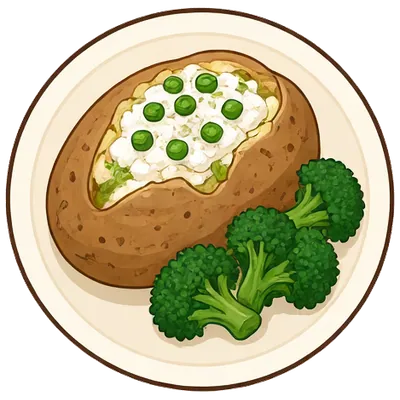
Microwave jacket potato with cottage cheese and broccoli
16 min
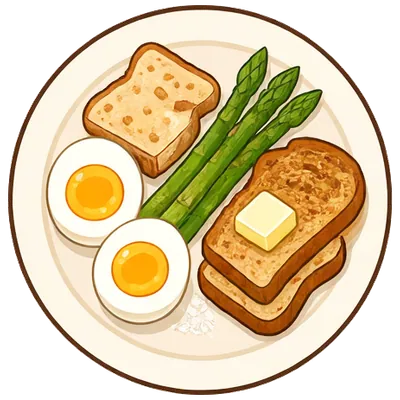
Eggs and soldiers
15 min
Cottage cheese egg bites
45 min
Vegetarian dinners ›Pantry dinners ›What to make with eggs and potatoes ›