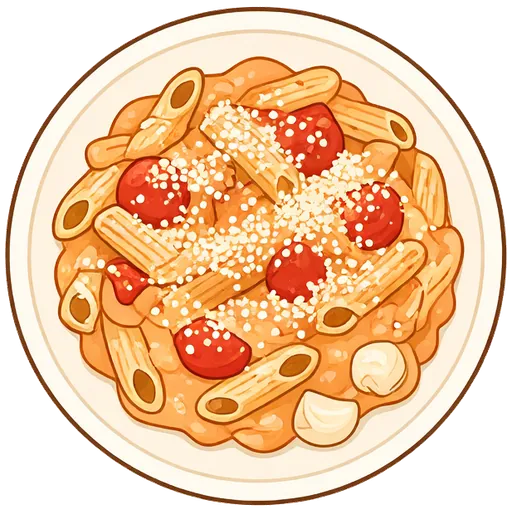
Creamy tomato penne
A silky pink sauce that tastes like a restaurant made it, from a can of tomatoes and a little cream.
- 30 min total
- 20 min hands-on
- Follow-a-recipe easy
- Serves 2
- About $2.39 a serving
- 910 calories
- Good the next day
- Vegetarian

Dolly says: Make the full amount. It’s just as good for lunch the next day.
Ingredients
For 2 servings.
- 8 oz penne
- 3 cloves garlic, minced
- 1½ cups crushed tomatoes
- ½ cup heavy cream
- ½ cup grated parmesan, plus more to serve
- ¼ cup fresh basil, torn (optional)
From your pantry
- 1 tbsp salt, divided
- 2 tbsp olive oil
- ¼ tsp red pepper flakes (optional)
- ¼ tsp black pepper
Each serving has about 910 calories, 27 g protein, 105 g carbs and 44 g fat, and costs about $2.39 at typical US grocery prices. Both are estimates from what the recipe uses.
Missing something?
- No penne? Rigatoni or elbow macaroni works.
- No crushed tomatoes? Diced tomatoes work.
- No grated parmesan? Parmesan wedge works.
Steps
Tap an underlined word for a quick explanation.
Fill a large pot with water, add 1 tablespoon salt, cover, and on high.
Bring to a boil. It means heating a liquid on high until it’s fully boiling before you move on. A lid on the pot gets it there faster, which makes it a good moment to chop something.
How you’ll know: Big bubbles break all over the surface, and they keep coming when you lift the lid.
High heat
 Dolly’s tip: The lid gets it there faster. The water should taste pleasantly salty, like the sea.
While the water heats, the garlic and measure out the tomatoes, cream and parmesan so they’re ready to go.
Mince. Mincing means chopping something into the tiniest pieces you can, smaller than a grain of rice. Tiny pieces melt into the dish, so you get the flavor without biting into a chunk of garlic.
How you’ll know: Every piece is tiny and about the same size, and the pile starts to look almost like a paste.
Warm the oil in a large over medium, add the garlic and pepper flakes, and stir about 1 minute, but not browned.
Skillet. A skillet is a frying pan: wide and flat with low, sloped sides. The shape lets steam escape, so food browns instead of stewing.
How you’ll know: It’s the pan you’d fry an egg in, and a 10 or 12 inch one handles most recipes.
Fragrant. Fragrant means cooking until you can clearly smell it, usually garlic or spices, often in about 30 seconds. That’s the moment the flavor is ready, just before it can burn.
How you’ll know: You can smell it from a step back, and garlic is pale gold, not brown.
Medium heat
Pour in the crushed tomatoes with of salt, , then turn the heat to low and let it bubble gently while the pasta cooks.
Pinch. A pinch is what you can hold between your thumb and two fingers, less than an eighth of a teaspoon. It’s a small, forgiving amount, so there’s no need to measure.
How you’ll know: It’s a light sprinkle you can barely see on the food, not a little pile.
Simmer. Simmering means keeping a liquid just below a boil, with small bubbles rising gently. It cooks food evenly and lets a sauce thicken without scorching on the bottom.
How you’ll know: Small, lazy bubbles break the surface every second or so, and nothing is churning.
Low heat
Add the penne to the boiling water and cook 1 minute less than the package says, stirring now and then, until .
Al dente. Al dente is Italian for “to the tooth”: pasta cooked until tender but with a slight firm bite in the center. It holds up in sauce and keeps softening a little after you drain it.
How you’ll know: Bite a piece a minute before the package time: tender, with a slight firm bite in the middle and no crunch.
High heatTimer: 10 min
Dolly’s tip: Bite a piece: tender, with a slight firm bite in the middle. It finishes softening in the sauce.Scoop out 1 cup of with a mug, then the penne in a colander.
Reserve pasta water. It means scooping out a cup of the starchy cooking water before you drain the pasta. A splash helps the sauce cling and turn silky, and it’s the step everyone forgets.
How you’ll know: A mug of cloudy water is sitting by the stove before the pasta goes into the colander.
Drain. Draining means pouring off liquid, like tipping pasta into a colander or spooning extra fat out of the pan. Pour hot grease into a can or jar, not the sink, where it hardens and clogs the pipes.
How you’ll know: Only a few drips are left, and the food isn’t sitting in a puddle.
Dolly’s tip: This is the step everyone forgets. That cloudy water is what makes the sauce silky.Stir the cream into the sauce until it turns a soft orange, then add the penne and parmesan and .
Toss. Tossing means gently lifting and turning food so everything gets coated, like pasta in sauce or vegetables in oil. It coats every piece evenly without mashing anything.
How you’ll know: Every piece looks glossy or evenly coated, with no dry spots hiding underneath.
Low heat
Add a few spoonfuls at a time, , until the sauce is glossy and clings to every piece. Taste and add salt if it needs it.
Reserve pasta water. It means scooping out a cup of the starchy cooking water before you drain the pasta. A splash helps the sauce cling and turn silky, and it’s the step everyone forgets.
How you’ll know: A mug of cloudy water is sitting by the stove before the pasta goes into the colander.
Toss. Tossing means gently lifting and turning food so everything gets coated, like pasta in sauce or vegetables in oil. It coats every piece evenly without mashing anything.
How you’ll know: Every piece looks glossy or evenly coated, with no dry spots hiding underneath.
Low heat
Serve with more parmesan, black pepper and torn basil on top.

Plan this in Dollop, and get the grocery list
Dollop puts this dinner on a night that suits your week, lists only what you still need to buy, and walks you through each step while you cook.
More dinners like this
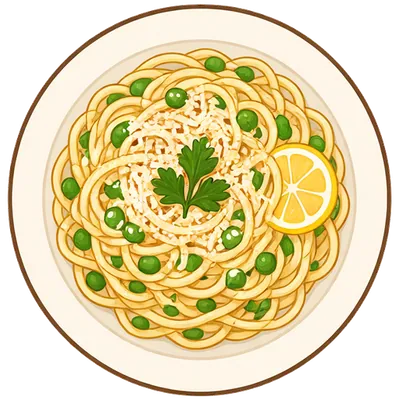
Garlicky spaghetti with peas and parmesan
20 min

Butter soy rice with crispy fried eggs
30 min
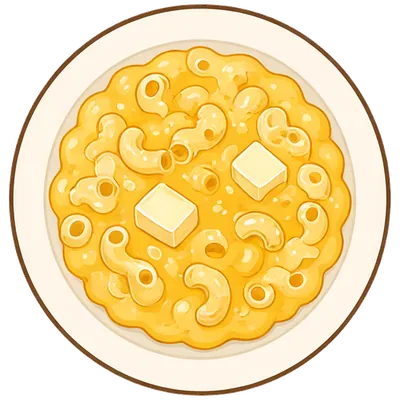
Stovetop mac and cheese
25 min

Proper beans on toast
20 min
30-minute dinners ›Vegetarian dinners ›What to make with pasta and parmesan ›What to make with canned tomatoes and pasta ›