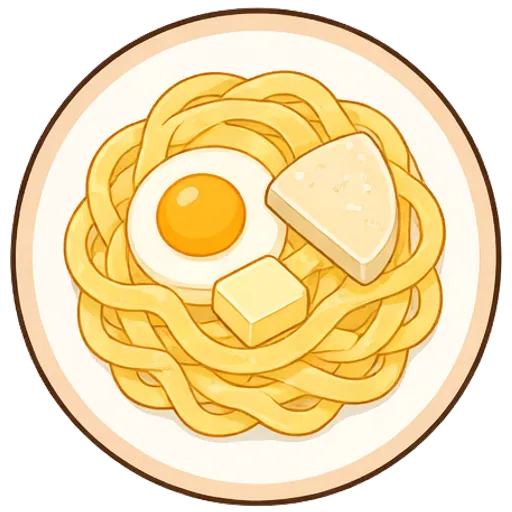
Homemade fettuccine
Fresh egg pasta made by hand with just flour and eggs, rolled out and cut into silky ribbons, then tossed in butter and parmesan, a project you’ll be proud of.
- 100 min total
- 50 min hands-on
- A little more hands-on
- Serves 4
- About $1.09 a serving
- 440 calories
- Vegetarian

Dolly says: Most of the time here is hands-off, so you can sit down while it cooks.
Ingredients
For 4 servings.
- 3 large eggs
- ¼ cup butter
- ¾ cup parmesan wedge, finely grated
From your pantry
- 2 cups all-purpose flour, plus more for dusting
- 1 tbsp salt
- ½ tsp black pepper
Each serving has about 440 calories, 17 g protein, 49 g carbs and 20 g fat, and costs about $1.09 at typical US grocery prices. Both are estimates from what the recipe uses.
Missing something?
- No butter? Ghee works.
- No parmesan wedge? Grated parmesan works.
Steps
Tap an underlined word for a quick explanation.
Pile the flour on a clean counter or in a big bowl, make a deep well in the middle, and crack the eggs into it.
Beat the eggs with a fork, slowly pulling in flour from the sides, until you have a shaggy dough. Then use your hands to bring it together.
 Dolly’s tip: If it won’t come together, wet your hands. If it’s sticky, add a spoonful of flour.
Knead 8 to 10 minutes, pushing with the heel of your hand and it back, until smooth and springy.
Fold. Folding means mixing gently by scooping from the bottom and turning it over the top, instead of stirring hard. It keeps light mixtures airy and soft things like berries or herbs in one piece.
How you’ll know: You use slow, wide strokes and stop as soon as there are no streaks left.
Dolly’s tip: It will feel stiff and dry at first. Keep going. It turns silky around minute six.Cover the dough with an upturned bowl and let it 30 minutes.
Rest. Resting means letting cooked meat sit for a few minutes before you cut it. It keeps cooking gently, and more of the juice stays in the meat instead of running onto the board.
How you’ll know: Loosely covered with foil, it stays hot, and very little juice runs out when you slice it.
Timer: 30 min
Dolly’s tip: Resting relaxes the dough so it rolls out thin instead of springing back.Cut the dough into 4 pieces. On a floured counter, roll each one as thin as you can, until you can almost see your hand through it.
Dolly’s tip: No rolling pin? A clean wine bottle works just as well.Dust each sheet with flour, roll it up loosely, and cut it into ¼-inch ribbons. Shake them out and with a little more flour.
Toss. Tossing means gently lifting and turning food so everything gets coated, like pasta in sauce or vegetables in oil. It coats every piece evenly without mashing anything.
How you’ll know: Every piece looks glossy or evenly coated, with no dry spots hiding underneath.
Fill a large pot with water, add the salt, and over high heat.
Bring to a boil. It means heating a liquid on high until it’s fully boiling before you move on. A lid on the pot gets it there faster, which makes it a good moment to chop something.
How you’ll know: Big bubbles break all over the surface, and they keep coming when you lift the lid.
High heat
Cook the fettuccine 2 to 3 minutes, until it floats and is tender.
High heatTimer: 2 min 30 sec
Dolly’s tip: Fresh pasta cooks in a flash. Taste a strand at 2 minutes.Food safety: For the safest eggs, cook until the whites are fully set and the yolks begin to thicken. Dishes made with eggs are done at 160°F.
Scoop out 1 cup of , then .
Reserve pasta water. It means scooping out a cup of the starchy cooking water before you drain the pasta. A splash helps the sauce cling and turn silky, and it’s the step everyone forgets.
How you’ll know: A mug of cloudy water is sitting by the stove before the pasta goes into the colander.
Drain. Draining means pouring off liquid, like tipping pasta into a colander or spooning extra fat out of the pan. Pour hot grease into a can or jar, not the sink, where it hardens and clogs the pipes.
How you’ll know: Only a few drips are left, and the food isn’t sitting in a puddle.
the butter in a large over low heat. Add the pasta, ½ cup and the parmesan and until creamy and glossy.
Melt. Melting means gently heating something solid, like butter or cheese, until it turns liquid. Low or medium heat keeps it from browning or burning.
How you’ll know: It’s smooth and liquid, and butter may foam a little but hasn’t turned brown.
Skillet. A skillet is a frying pan: wide and flat with low, sloped sides. The shape lets steam escape, so food browns instead of stewing.
How you’ll know: It’s the pan you’d fry an egg in, and a 10 or 12 inch one handles most recipes.
Reserve pasta water. It means scooping out a cup of the starchy cooking water before you drain the pasta. A splash helps the sauce cling and turn silky, and it’s the step everyone forgets.
How you’ll know: A mug of cloudy water is sitting by the stove before the pasta goes into the colander.
Toss. Tossing means gently lifting and turning food so everything gets coated, like pasta in sauce or vegetables in oil. It coats every piece evenly without mashing anything.
How you’ll know: Every piece looks glossy or evenly coated, with no dry spots hiding underneath.
Low heat
Serve right away with the pepper cracked over the top.

Plan this in Dollop, and get the grocery list
Dollop puts this dinner on a night that suits your week, lists only what you still need to buy, and walks you through each step while you cook.
More dinners like this
Buttered noodles
20 min
Homemade potato gnocchi
75 min
Pasta e ceci
35 min
Serbian baked beans with caramelized onions (prebranac)
80 min
Vegetarian dinners ›Cozy comfort food ›What to make with eggs and parmesan ›