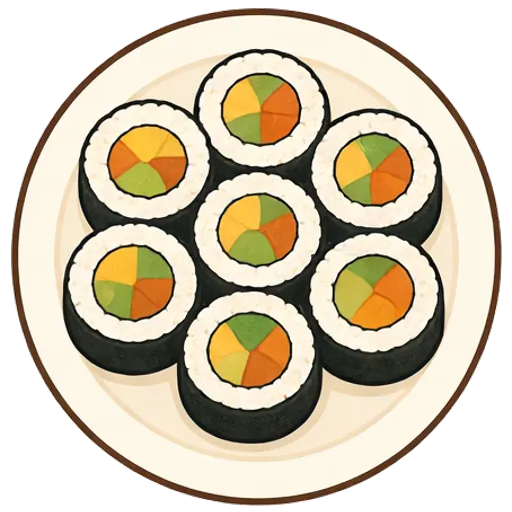
Kimbap
Korean seaweed rice rolls packed with egg, crab, spinach, carrot and tangy cucumber, brushed with sesame oil and sliced into pretty rounds.
- 75 min total
- 55 min hands-on
- A little more hands-on
- Serves 4
- About $3.21 a serving
- 610 calories
- Dairy-free

Dolly says: Read the steps once before you start. Everything goes smoother after that.
Ingredients
For 4 servings.
- 2 cups sushi rice
- 1 cucumber
- 3 large eggs
- 1½ cups shredded carrots
- 5 oz baby spinach
- 2 tbsp sesame oil, divided
- 4 nori sheets
- 8 oz imitation crab, sticks
- 1 tsp sesame seeds
From your pantry
- 2¼ cups water
- 2 tbsp rice vinegar
- 1 tsp sugar
- 1 tsp salt, divided
- 1 tbsp vegetable oil, divided
Each serving has about 610 calories, 19 g protein, 98 g carbs and 15 g fat, and costs about $3.21 at typical US grocery prices. Both are estimates from what the recipe uses.
Missing something?
- No cucumbers? English cucumbers or mini cucumbers work.
- No shredded carrots? Carrots work.
- No baby spinach? Kale or arugula works.
Steps
Tap an underlined word for a quick explanation.
the rice until the water runs almost clear.
Rinse. Rinsing means running cold water over rice or canned beans in a strainer while you swish them around. It washes off loose starch and can liquid, so rice cooks up fluffy and beans taste clean.
How you’ll know: The water running out goes from cloudy to mostly clear; it doesn’t have to be perfect.
Bring it in a with the water.
Bring to a boil. It means heating a liquid on high until it’s fully boiling before you move on. A lid on the pot gets it there faster, which makes it a good moment to chop something.
How you’ll know: Big bubbles break all over the surface, and they keep coming when you lift the lid.
Saucepan. A saucepan is a pot with tall, straight sides and one long handle. It’s for things that need depth, like rice, sauces or a few boiled eggs.
How you’ll know: The food fills it about halfway, leaving room to bubble without spilling over.
High heat
Stir once, cover, and cook on low 15 minutes.
Low heatTimer: 15 min
Leave it covered off the heat 10 minutes.
Timer: 10 min
Cut the cucumber into long sticks, cutting away the seedy middle. them with the vinegar, sugar and a pinch of salt and let them sit 10 minutes, then .
Lengthwise. Lengthwise means cutting along the long side, from stem to tip, which gives long pieces. Crosswise is the other way, straight across the middle, which gives short, round ones.
How you’ll know: Lengthwise halves of a zucchini look like two little canoes; crosswise pieces look like coins.
Toss. Tossing means gently lifting and turning food so everything gets coated, like pasta in sauce or vegetables in oil. It coats every piece evenly without mashing anything.
How you’ll know: Every piece looks glossy or evenly coated, with no dry spots hiding underneath.
Pat dry. Patting dry means pressing paper towels onto food to soak up the moisture on its surface. Wet food steams instead of browning, so this is how you get a good sear and crisp skin.
How you’ll know: The surface feels tacky, not wet, and the last paper towel comes away barely damp.
Timer: 10 min
 Dolly’s tip: This quick pickle stands in for the yellow radish in Korean kimbap, adding the same tangy crunch.
Beat the eggs with a pinch of salt.
Heat 1 teaspoon of the oil in a large nonstick over medium, pour in the eggs, and cook 2 to 3 minutes, until set.
Skillet. A skillet is a frying pan: wide and flat with low, sloped sides. The shape lets steam escape, so food browns instead of stewing.
How you’ll know: It’s the pan you’d fry an egg in, and a 10 or 12 inch one handles most recipes.
Medium heatTimer: 2 min 30 sec
Food safety: For the safest eggs, cook until the whites are fully set and the yolks begin to thicken. Dishes made with eggs are done at 160°F.
Flip for 30 seconds, then slice into long strips.
Medium heatTimer: 30 sec
In the same skillet, cook the carrot with a little oil and a pinch of salt 2 minutes, until soft, and set it aside. Then the spinach 1 minute, squeeze out the water, and it with 1 teaspoon of the sesame oil.
Wilt. Wilting means cooking leafy greens just until they go soft and collapse. Greens shrink a lot, so a big pile of spinach becomes a small handful, and that’s normal.
How you’ll know: The leaves turn soft and deep green and slump into the pan, usually within a minute or two.
Toss. Tossing means gently lifting and turning food so everything gets coated, like pasta in sauce or vegetables in oil. It coats every piece evenly without mashing anything.
How you’ll know: Every piece looks glossy or evenly coated, with no dry spots hiding underneath.
Medium heatTimer: 3 min
1 tablespoon of the sesame oil and ½ teaspoon salt into the rice and spread it out on a plate until it’s warm, not hot.
Fold. Folding means mixing gently by scooping from the bottom and turning it over the top, instead of stirring hard. It keeps light mixtures airy and soft things like berries or herbs in one piece.
How you’ll know: You use slow, wide strokes and stop as soon as there are no streaks left.
Dolly’s tip: Hot rice makes the seaweed shrink and go soggy. Warm rice is sticky enough to hold without that.Lay a sheet of nori shiny side down on a piece of . With wet hands, press about 1½ cups of rice in a thin, even layer over it, leaving the top inch bare.
Parchment paper. Parchment paper is a nonstick, oven-safe paper for lining pans. Food lifts right off and cleanup is easy, but don’t swap in wax paper or put parchment under the broiler.
How you’ll know: It lies flat in the pan, and the food slides off when you lift it.
Dolly’s tip: Wet your hands every scoop and press lightly. Packed rice makes a dense, heavy roll.Line up a strip of egg, crab, cucumber, carrot and spinach in rows across the bottom third of the rice.
Using the parchment to help, roll the nori up and over the filling, tuck it in snugly, and keep rolling, pressing gently as you go.
Dolly’s tip: Squeeze the roll through the parchment as you go, like rolling up a sleeping bag. Snug rolls slice clean.Dab the bare edge with a few grains of rice to seal it.
Repeat.
Brush each roll with the last of the sesame oil, sprinkle with sesame seeds, and into ½-inch rounds with a sharp, wet knife.
Slice. Slicing means cutting food into flat pieces of about the same thickness. Even slices cook evenly, so none are raw while others burn.
How you’ll know: Lay a few side by side: they’re close to the same thickness from one end to the other.
Dolly’s tip: Wipe and wet the knife between every few cuts and saw gently. A dry knife squashes the roll.Food safety: Rotisserie chicken, deli meat, canned tuna and cooked shrimp are already cooked. Keep them cold until you use them, and heat them until steaming hot if the recipe warms them.

Plan this in Dollop, and get the grocery list
Dollop puts this dinner on a night that suits your week, lists only what you still need to buy, and walks you through each step while you cook.
More dinners like this
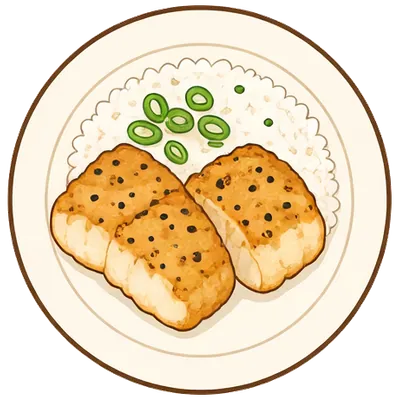
Saengseon jeon (Korean pan-fried fish)
40 min
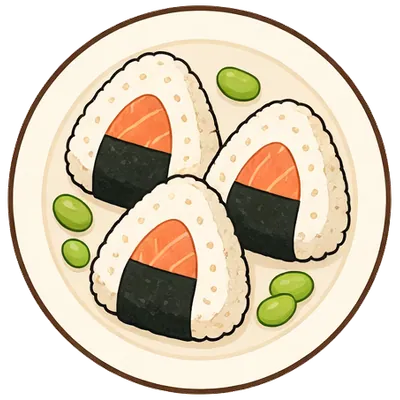
Salmon onigiri
50 min
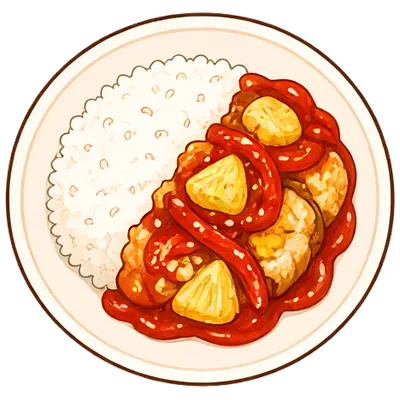
Sweet and sour fish
50 min
Tuna fried rice
50 min
Easy Korean dinner recipes ›Rice recipes for kids ›What to make with eggs and spinach ›What to make with eggs and carrots ›What to make with carrots and cucumber ›