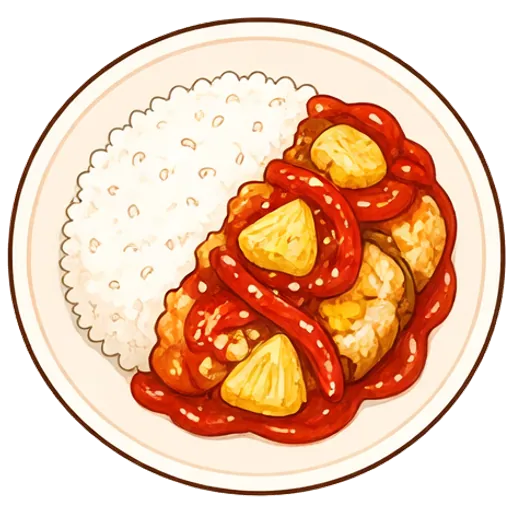
Sweet and sour fish
Crisp golden pieces of fish tossed with peppers and pineapple in a glossy sweet and sour sauce, better than the takeout version.
- 50 min total
- 35 min hands-on
- A little more hands-on
- Serves 4
- About $2.99 a serving
- 710 calories
- Dairy-free

Dolly says: Read the steps once before you start. Everything goes smoother after that.
Ingredients
For 4 servings.
- 1½ cups long-grain white rice, rinsed
- 1 can canned pineapple chunks, drained, juice saved
- 3 tbsp ketchup
- 1¼ lb frozen white fish fillets, thawed, patted very dry and cut into 1½-inch pieces
- 1 red bell pepper, cut into 1-inch pieces
- 1 green bell pepper, cut into 1-inch pieces
- ½ yellow onion, cut into 1-inch pieces
From your pantry
- 2¼ cups water
- 3 tbsp rice vinegar
- 3 tbsp brown sugar
- 1 tbsp soy sauce
- ½ cup cornstarch, divided
- ½ tsp salt
- ¼ cup vegetable oil, divided
Each serving has about 710 calories, 29 g protein, 113 g carbs and 16 g fat, and costs about $2.99 at typical US grocery prices. Both are estimates from what the recipe uses.
Missing something?
- No long-grain white rice? Jasmine rice or basmati rice works.
- No red bell peppers? Yellow bell peppers work.
- No green bell peppers? Yellow bell peppers work.
- No yellow onions? White onions or red onions work.
Steps
Tap an underlined word for a quick explanation.
Put the rice and water in a medium and over high heat.
Rinse. Rinsing means running cold water over rice or canned beans in a strainer while you swish them around. It washes off loose starch and can liquid, so rice cooks up fluffy and beans taste clean.
How you’ll know: The water running out goes from cloudy to mostly clear; it doesn’t have to be perfect.
Saucepan. A saucepan is a pot with tall, straight sides and one long handle. It’s for things that need depth, like rice, sauces or a few boiled eggs.
How you’ll know: The food fills it about halfway, leaving room to bubble without spilling over.
Bring to a boil. It means heating a liquid on high until it’s fully boiling before you move on. A lid on the pot gets it there faster, which makes it a good moment to chop something.
How you’ll know: Big bubbles break all over the surface, and they keep coming when you lift the lid.
High heat
Cover, turn the heat to low and cook for 15 minutes, then leave it covered off the heat.
Low heatTimer: 15 min
½ cup of the pineapple juice with the ketchup, rice vinegar, brown sugar, soy sauce and 1 tablespoon of the cornstarch.
Whisk. Whisking means beating quickly with a whisk or a fork to blend things together. It smooths out lumps and mixes eggs, oil or sauces evenly.
How you’ll know: It all looks one even color and texture, with no streaks or lumps.
the fish with the salt, then with the rest of the cornstarch until every piece is coated. Shake off the extra.
Toss. Tossing means gently lifting and turning food so everything gets coated, like pasta in sauce or vegetables in oil. It coats every piece evenly without mashing anything.
How you’ll know: Every piece looks glossy or evenly coated, with no dry spots hiding underneath.
 Dolly’s tip: A thin coat fries crisp. A thick one turns gummy.
Heat 3 tablespoons of the oil in a large nonstick over medium-high heat until it . Fry half the fish 2 to 3 minutes per side, until and opaque inside, then on paper towels.
Skillet. A skillet is a frying pan: wide and flat with low, sloped sides. The shape lets steam escape, so food browns instead of stewing.
How you’ll know: It’s the pan you’d fry an egg in, and a 10 or 12 inch one handles most recipes.
Shimmering oil. Oil shimmers when it’s hot enough to cook: its surface looks rippled and wavy, like heat over a road. That’s your cue to add the food, just before the oil would start to smoke.
How you’ll know: The oil looks wavy and runs thin like water when you tilt the pan, with no smoke yet.
Golden brown. Golden brown is the color of good toast, somewhere between yellow and light brown. It means the outside is cooked and crisp but not burnt.
How you’ll know: It looks like toast and smells toasty; dark brown with a bitter smell means it went too far.
Drain. Draining means pouring off liquid, like tipping pasta into a colander or spooning extra fat out of the pan. Pour hot grease into a can or jar, not the sink, where it hardens and clogs the pipes.
How you’ll know: Only a few drips are left, and the food isn’t sitting in a puddle.
Medium-high heatTimer: 5 min
Food safety: Fish is done at 145°F, when the middle looks opaque and flakes apart easily with a fork.
Fry the rest of the fish the same way, adding a little more oil if the pan looks dry.
Medium-high heatTimer: 5 min
Carefully wipe out the pan, add the last tablespoon of oil and -fry the peppers and onion for 3 minutes, until .
Stir. Stirring means moving food around with a spoon or spatula so it cooks evenly and doesn’t stick. Unless the recipe says constantly, every so often is plenty, and it gives food time to brown.
How you’ll know: When you drag the spoon across the bottom, nothing is sticking or scorching.
Tender-crisp. Tender-crisp means vegetables cooked until just tender but still with a little snap. They keep their bright color and crunch instead of going soft and dull.
How you’ll know: A fork goes in with slight resistance, and the color is bright, not olive or gray.
High heatTimer: 3 min
Add the pineapple chunks and the sauce and for 1 to 2 minutes, until it bubbles and turns glossy.
Stir. Stirring means moving food around with a spoon or spatula so it cooks evenly and doesn’t stick. Unless the recipe says constantly, every so often is plenty, and it gives food time to brown.
How you’ll know: When you drag the spoon across the bottom, nothing is sticking or scorching.
Medium heatTimer: 1 min 30 sec
Turn off the heat, add the fish and gently to coat, then serve right away over the rice.
Toss. Tossing means gently lifting and turning food so everything gets coated, like pasta in sauce or vegetables in oil. It coats every piece evenly without mashing anything.
How you’ll know: Every piece looks glossy or evenly coated, with no dry spots hiding underneath.
Dolly’s tip: Toss at the very last second. The longer the fish sits in sauce, the less crisp it stays.

Plan this in Dollop, and get the grocery list
Dollop puts this dinner on a night that suits your week, lists only what you still need to buy, and walks you through each step while you cook.
More dinners like this
White fish recipes for kids ›Easy Chinese dinner recipes ›What to make with rice and bell peppers ›