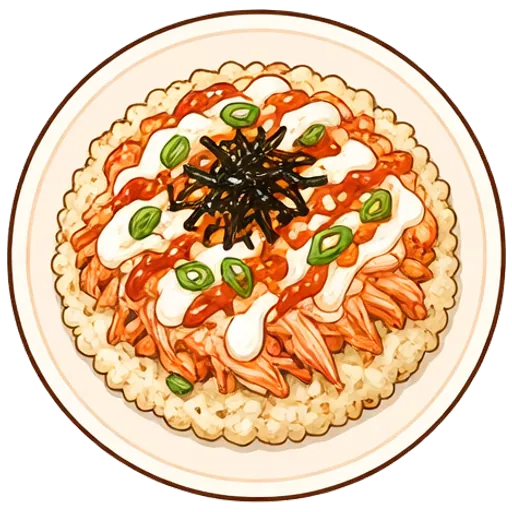
Salmon sushi bake
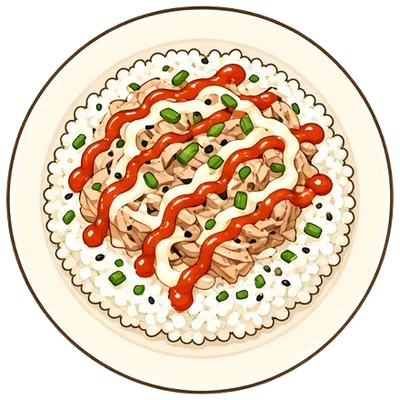
Seasoned sushi rice under a creamy, spicy baked salmon topping, scooped up with cucumber and avocado, the viral dish that’s even better at home.
- 55 min total
- 20 min hands-on
- Follow-a-recipe easy
- Serves 4
- About $4.55 a serving
- 770 calories
- Good the next day
- Gluten-free

Dolly says: Make the full amount. It’s just as good for lunch the next day.
Ingredients
For 4 servings.
- 1½ cups sushi rice, rinsed
- 3 salmon fillets, about 6 oz each, skinless
- 2 oz cream cheese, softened
- ¼ cup mayonnaise
- 1 tbsp sriracha
- 3 green onions, thinly sliced, divided
- 1 tbsp sesame seeds
- 1 cucumber, sliced
- 1 avocado, sliced
From your pantry
- 1¾ cups water
- 3 tbsp rice vinegar
- 1 tbsp sugar
- 1 tsp salt, divided
Each serving has about 770 calories, 34 g protein, 71 g carbs and 39 g fat, and costs about $4.55 at typical US grocery prices. Both are estimates from what the recipe uses.
Missing something?
- No sriracha? Hot sauce works.
- No green onions? Chives work.
- No cucumbers? English cucumbers or mini cucumbers work.
- No avocados? Guacamole works.
Steps
Tap an underlined word for a quick explanation.
Put the rice and water in a medium and over high heat.
Rinse. Rinsing means running cold water over rice or canned beans in a strainer while you swish them around. It washes off loose starch and can liquid, so rice cooks up fluffy and beans taste clean.
How you’ll know: The water running out goes from cloudy to mostly clear; it doesn’t have to be perfect.
Saucepan. A saucepan is a pot with tall, straight sides and one long handle. It’s for things that need depth, like rice, sauces or a few boiled eggs.
How you’ll know: The food fills it about halfway, leaving room to bubble without spilling over.
Bring to a boil. It means heating a liquid on high until it’s fully boiling before you move on. A lid on the pot gets it there faster, which makes it a good moment to chop something.
How you’ll know: Big bubbles break all over the surface, and they keep coming when you lift the lid.
High heat
Cover, turn the heat to low and cook for 15 minutes, then leave it covered off the heat for 10 minutes.
Low heatTimer: 15 min
the oven to 400°F. Lay the salmon on a foil-lined , with ½ teaspoon of the salt and 12 to 15 minutes, until it flakes easily.
Preheat. Preheating means turning the oven on before you start, so it’s fully hot when the food goes in. Food that starts in a cold oven cooks unevenly and doesn’t brown the same.
How you’ll know: The oven beeps or its light clicks off, usually 10 to 15 minutes after you turn it on.
Sheet pan. A sheet pan is a flat metal baking tray with a low rim all the way around. The rim catches juices, and the wide surface lets food spread out and brown.
How you’ll know: Everything fits in one layer with a little space between the pieces.
Season. Seasoning means adding salt, pepper or spices to bring out a food’s flavor. A little at a few stages tastes better than a lot all at the end.
How you’ll know: When you taste it, it tastes bright and like itself, not flat and not salty.
Bake. Baking means cooking in the oven with dry heat all around the food. It cooks evenly from every side, so you can mostly leave it alone.
How you’ll know: It’s golden on top and passes the recipe’s check, like a clean toothpick or the right temperature.
Timer: 13 min
Food safety: Fish is done at 145°F, when the middle looks opaque and flakes apart easily with a fork.
the rice vinegar, sugar and the rest of the salt until dissolved, then it into the warm rice.
Stir. Stirring means moving food around with a spoon or spatula so it cooks evenly and doesn’t stick. Unless the recipe says constantly, every so often is plenty, and it gives food time to brown.
How you’ll know: When you drag the spoon across the bottom, nothing is sticking or scorching.
Fold. Folding means mixing gently by scooping from the bottom and turning it over the top, instead of stirring hard. It keeps light mixtures airy and soft things like berries or herbs in one piece.
How you’ll know: You use slow, wide strokes and stop as soon as there are no streaks left.
 Dolly’s tip: Fold with a spatula instead of stirring. Stirring mashes the grains and makes the rice gluey.
Press the rice into an 8x8-inch baking dish in an even layer.
Flake the salmon into a bowl and mix it with the cream cheese, mayonnaise, sriracha and most of the green onions.
Spread the salmon over the rice, sprinkle with the sesame seeds and for 10 minutes, until hot and lightly on top.
Bake. Baking means cooking in the oven with dry heat all around the food. It cooks evenly from every side, so you can mostly leave it alone.
How you’ll know: It’s golden on top and passes the recipe’s check, like a clean toothpick or the right temperature.
Golden brown. Golden brown is the color of good toast, somewhere between yellow and light brown. It means the outside is cooked and crisp but not burnt.
How you’ll know: It looks like toast and smells toasty; dark brown with a bitter smell means it went too far.
Timer: 10 min
Scatter the rest of the green onions over and scoop it onto plates with cucumber and avocado.

Plan this in Dollop, and get the grocery list
Dollop puts this dinner on a night that suits your week, lists only what you still need to buy, and walks you through each step while you cook.