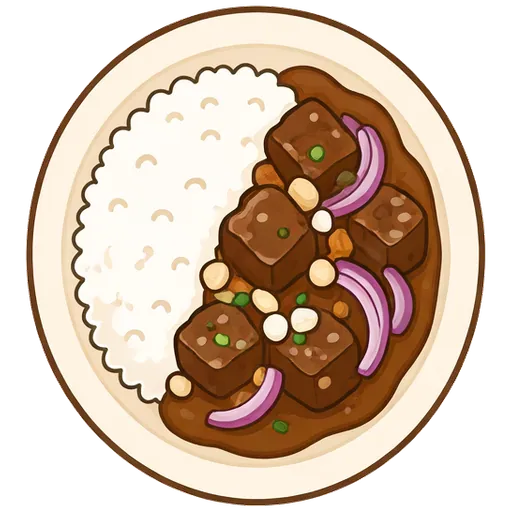
Shaking beef (bò lúc lắc)
Garlicky, caramelized cubes of steak seared hot and shaken in the pan, over peppery greens and tomatoes with a lime and pepper dip.
- 55 min total
- 30 min hands-on
- A little more hands-on
- Serves 4
- About $5.40 a serving
- 610 calories

Dolly says: Read the steps once before you start. Everything goes smoother after that.
Ingredients
For 4 servings.
- 1¼ lb sirloin steak
- 1 tbsp fish sauce
- 5 cloves garlic, minced, divided
- 1½ cups jasmine rice
- ½ red onion, thinly sliced
- 2 limes
- 4 cups arugula
- 1 cup cherry tomatoes, halved
- 1 tbsp butter
From your pantry
- 1 tbsp soy sauce
- 2 tsp sugar, divided
- 1½ tsp black pepper, divided
- 2¼ cups water
- 1 tbsp rice vinegar
- ½ tsp salt
- 2 tbsp vegetable oil
Each serving has about 610 calories, 37 g protein, 67 g carbs and 22 g fat, and costs about $5.40 at typical US grocery prices. Both are estimates from what the recipe uses.
Missing something?
- No sirloin steak? New York strip steak or ribeye steak works.
- No jasmine rice? Long-grain white rice or basmati rice works.
- No red onions? White onions or yellow onions work.
- No limes? Lemons work.
- No arugula? Baby spinach or spring mix works.
- No butter? Ghee works.
Steps
Tap an underlined word for a quick explanation.
Cut the steak into 1-inch and with the soy sauce, fish sauce, 1 tsp of the sugar, 1 tsp of the pepper and 3 cloves of the garlic. Cover and it in the fridge for 30 minutes.
Cube. Cubing means cutting food into chunky, even squares, usually three quarters of an inch to an inch. Same-size cubes cook at the same speed and brown on every side.
How you’ll know: Your pieces look like a handful of sugar cubes, a little bigger than diced, all close to the same size.
Toss. Tossing means gently lifting and turning food so everything gets coated, like pasta in sauce or vegetables in oil. It coats every piece evenly without mashing anything.
How you’ll know: Every piece looks glossy or evenly coated, with no dry spots hiding underneath.
Marinate. Marinating means letting food sit in a flavorful liquid, called a marinade, before you cook it. Always marinate in the fridge, and never reuse marinade from raw meat unless you boil it first.
How you’ll know: The food is coated all over, sealed in a bag or covered dish, and chilling in the fridge.
Timer: 30 min
Meanwhile, the rice and bring it with the water in a .
Rinse. Rinsing means running cold water over rice or canned beans in a strainer while you swish them around. It washes off loose starch and can liquid, so rice cooks up fluffy and beans taste clean.
How you’ll know: The water running out goes from cloudy to mostly clear; it doesn’t have to be perfect.
Bring to a boil. It means heating a liquid on high until it’s fully boiling before you move on. A lid on the pot gets it there faster, which makes it a good moment to chop something.
How you’ll know: Big bubbles break all over the surface, and they keep coming when you lift the lid.
Saucepan. A saucepan is a pot with tall, straight sides and one long handle. It’s for things that need depth, like rice, sauces or a few boiled eggs.
How you’ll know: The food fills it about halfway, leaving room to bubble without spilling over.
High heat
Cover, turn the heat to low, and cook 15 minutes.
Low heatTimer: 15 min
the red onion with the vinegar and the rest of the sugar in a small bowl.
Toss. Tossing means gently lifting and turning food so everything gets coated, like pasta in sauce or vegetables in oil. It coats every piece evenly without mashing anything.
How you’ll know: Every piece looks glossy or evenly coated, with no dry spots hiding underneath.
Squeeze the juice of 1 lime into a tiny dish with the salt and the rest of the pepper for dipping. Spread the arugula and tomatoes on a platter.
Heat the oil in a large over high until it just smokes. Add half the beef in one layer and leave it 1 minute to .
Skillet. A skillet is a frying pan: wide and flat with low, sloped sides. The shape lets steam escape, so food browns instead of stewing.
How you’ll know: It’s the pan you’d fry an egg in, and a 10 or 12 inch one handles most recipes.
Brown. Browning means cooking until the outside turns brown, which is where a lot of savory flavor comes from. Give food room and time without stirring, or it steams and stays gray.
How you’ll know: The food looks brown rather than gray, and the kitchen smells toasty and savory.
High heatTimer: 1 min
 Dolly’s tip: The pan has to be very hot and not crowded, or the beef stews in its marinade.
Shake the pan to turn the cubes and cook 1 to 2 minutes more, until browned all over and the middle reads 145°F. Move to a plate and repeat with the rest.
High heatTimer: 1 min 30 sec
Food safety: Steak, pork chops and other whole cuts are safe at 145°F in the middle, then let them rest for 3 minutes before cutting.
Turn off the heat, return all the beef, and it with the butter and the rest of the garlic for 30 seconds.
Toss. Tossing means gently lifting and turning food so everything gets coated, like pasta in sauce or vegetables in oil. It coats every piece evenly without mashing anything.
How you’ll know: Every piece looks glossy or evenly coated, with no dry spots hiding underneath.
Pile the beef and its juices over the greens with the pickled onion, and serve with the rice, the lime dip and the second lime in wedges.

Plan this in Dollop, and get the grocery list
Dollop puts this dinner on a night that suits your week, lists only what you still need to buy, and walks you through each step while you cook.
More dinners like this
Beef bibimbap
50 min
Bistek tagalog (Filipino beef steak)
60 min
Giniling (Filipino ground beef with potatoes)
50 min
Japanese hamburger steak (hambagu)
45 min
High-protein dinners ›Easy Vietnamese dinner recipes ›What to make with rice and tomatoes ›What to make with steak and rice ›