Shiro wat
A silky, spicy Ethiopian chickpea stew made from pantry staples in about half an hour, warm with berbere, garlic and ginger.
- 40 min total
- 25 min hands-on
- Anyone can make this
- Serves 4
- About $1.15 a serving
- 470 calories
- Good the next day
- Vegan
- Gluten-free
- Dairy-free

Dolly says: Make the full amount. It’s just as good for lunch the next day.
Ingredients
For 4 servings.
- 1½ cups long-grain white rice
- 1 yellow onion, large, finely chopped
- 4 cloves garlic, minced
- 1 tbsp fresh ginger, grated
- 1 tbsp tomato paste
- 2 tbsp berbere seasoning
- 1 cup chickpea flour
From your pantry
- 6¼ cups water, divided
- 3 tbsp vegetable oil
- 1 tsp salt
Each serving has about 470 calories, 11 g protein, 76 g carbs and 13 g fat, and costs about $1.15 at typical US grocery prices. Both are estimates from what the recipe uses.
Missing something?
- No long-grain white rice? Jasmine rice or basmati rice works.
- No yellow onions? White onions or red onions work.
Steps
Tap an underlined word for a quick explanation.
the rice and bring it in a with 2¼ cups of the water.
Rinse. Rinsing means running cold water over rice or canned beans in a strainer while you swish them around. It washes off loose starch and can liquid, so rice cooks up fluffy and beans taste clean.
How you’ll know: The water running out goes from cloudy to mostly clear; it doesn’t have to be perfect.
Bring to a boil. It means heating a liquid on high until it’s fully boiling before you move on. A lid on the pot gets it there faster, which makes it a good moment to chop something.
How you’ll know: Big bubbles break all over the surface, and they keep coming when you lift the lid.
Saucepan. A saucepan is a pot with tall, straight sides and one long handle. It’s for things that need depth, like rice, sauces or a few boiled eggs.
How you’ll know: The food fills it about halfway, leaving room to bubble without spilling over.
High heat
Stir once, cover, turn the heat to low and cook 15 minutes, then leave it covered off the heat.
Low heatTimer: 15 min
Heat the oil in a medium pot over medium and cook the onion 8 to 10 minutes, stirring now and then, until soft and .
Golden brown. Golden brown is the color of good toast, somewhere between yellow and light brown. It means the outside is cooked and crisp but not burnt.
How you’ll know: It looks like toast and smells toasty; dark brown with a bitter smell means it went too far.
Medium heatTimer: 9 min
Stir in the garlic, ginger, tomato paste and berbere and cook 2 minutes to the spices, until darker and .
Bloom. Blooming means warming spices in hot oil for a few seconds before the other ingredients go in. The heat wakes up their flavor, so the whole dish tastes fuller.
How you’ll know: They smell strong and toasty within 30 seconds; a dark color or bitter smell means they went too far.
Fragrant. Fragrant means cooking until you can clearly smell it, usually garlic or spices, often in about 30 seconds. That’s the moment the flavor is ready, just before it can burn.
How you’ll know: You can smell it from a step back, and garlic is pale gold, not brown.
Medium heatTimer: 2 min
 Dolly’s tip: Frying the spices in oil for a minute or two is called blooming. It wakes up their flavor.
In a bowl, the chickpea flour into the remaining 4 cups of water until completely smooth.
Whisk. Whisking means beating quickly with a whisk or a fork to blend things together. It smooths out lumps and mixes eggs, oil or sauces evenly.
How you’ll know: It all looks one even color and texture, with no streaks or lumps.
Dolly’s tip: Whisking it into cold water first is what keeps lumps away.Pour it into the pot, whisking, and . Turn to low and cook, , 12 to 15 minutes, whisking often, until as thick as loose hummus.
Simmer. Simmering means keeping a liquid just below a boil, with small bubbles rising gently. It cooks food evenly and lets a sauce thicken without scorching on the bottom.
How you’ll know: Small, lazy bubbles break the surface every second or so, and nothing is churning.
Lid ajar. Lid ajar means resting the lid on the pot slightly off-center, leaving a small gap. Some steam escapes, so the sauce thickens and doesn’t boil over, while most of the heat stays in.
How you’ll know: A thin wisp of steam drifts out of the gap, and the pot bubbles gently without spilling.
Low heatTimer: 13 min
Dolly’s tip: It spits as it thickens, which is why the lid stays partly on. Add a splash of water if it gets too thick.Stir in the salt, taste, and add more if it needs it. It should taste nutty and warm, with no raw, floury edge.
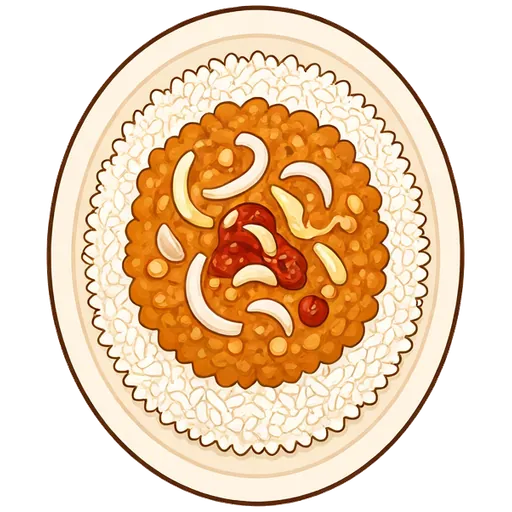
Serve hot over the rice.
Dolly’s tip: Shiro thickens in the fridge. Loosen leftovers with a little hot water as they warm.

Plan this in Dollop, and get the grocery list
Dollop puts this dinner on a night that suits your week, lists only what you still need to buy, and walks you through each step while you cook.