Slow cooker Cuban sandwiches
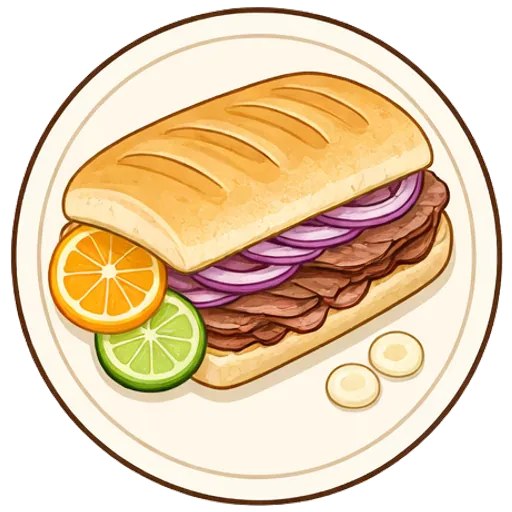
Garlicky citrus mojo pork slow-cooked until tender, then pressed with ham, Swiss, pickles and mustard until golden and melty.
- 650 min total
- 45 min hands-on
- A little more hands-on
- Serves 8
- About $2.70 a serving
- 720 calories
- Good the next day

Dolly says: Make the full amount. It’s just as good for lunch the next day.
Ingredients
For 8 servings.
- 2 oranges, juiced
- 2 limes, juiced
- 8 cloves garlic, minced
- 1 yellow onion, sliced
- 2 lb pork shoulder, cut into 3 big chunks
- 8 hoagie rolls
- ⅓ cup yellow mustard
- 8 slices Swiss cheese
- 8 oz sliced deli ham
- 1 cup dill pickles, sliced
- 3 tbsp butter, divided
From your pantry
- 2 tsp ground cumin
- 2 tsp dried oregano
- 2 tsp salt
- 1 tsp black pepper
- 2 tbsp olive oil
Each serving has about 720 calories, 39 g protein, 54 g carbs and 39 g fat, and costs about $2.70 at typical US grocery prices. Both are estimates from what the recipe uses.
Missing something?
- No limes? Lemons work.
- No yellow onions? White onions or red onions work.
- No hoagie rolls? French bread works.
- No yellow mustard? Dijon mustard works.
- No butter? Ghee works.
Steps
Tap an underlined word for a quick explanation.
the orange and lime juice, garlic, cumin, oregano, salt, pepper and oil together right in the slow cooker.
Stir. Stirring means moving food around with a spoon or spatula so it cooks evenly and doesn’t stick. Unless the recipe says constantly, every so often is plenty, and it gives food time to brown.
How you’ll know: When you drag the spoon across the bottom, nothing is sticking or scorching.
 Dolly’s tip: This garlicky citrus sauce is called mojo. It is what makes Cuban pork taste like Cuban pork.
Add the onion, then the pork dry and turn each chunk in the mojo until coated.
Pat dry. Patting dry means pressing paper towels onto food to soak up the moisture on its surface. Wet food steams instead of browning, so this is how you get a good sear and crisp skin.
How you’ll know: The surface feels tacky, not wet, and the last paper towel comes away barely damp.
Food safety: Wash your hands, the board and the knife with hot soapy water after touching raw meat, and don’t rinse raw chicken in the sink.
Cover and cook on LOW for 8 to 10 hours, until the pork is .
Fork-tender. Fork-tender means cooked until a fork slides in with almost no push. It’s how you know potatoes, carrots or slow-cooked meat are soft all the way through.
How you’ll know: The fork slides in and out easily, and meat pulls apart with very little effort.
Timer: 480 min
Food safety: Steak, pork chops and other whole cuts are safe at 145°F in the middle, then let them rest for 3 minutes before cutting.
the pork in the pot with two forks and it through the juices. Lift out what you need with a slotted spoon so it is not dripping.
Shred. Shredding means making thin strips, either on the big holes of a grater or by pulling cooked meat apart with two forks. Shreds soak up sauce and mix evenly through a dish.
How you’ll know: Cooked chicken pulls apart into strands with little effort, and cheese comes off in long, loose strips.
Stir. Stirring means moving food around with a spoon or spatula so it cooks evenly and doesn’t stick. Unless the recipe says constantly, every so often is plenty, and it gives food time to brown.
How you’ll know: When you drag the spoon across the bottom, nothing is sticking or scorching.
Dolly’s tip: Any pork you do not use freezes in its juices for up to 3 months.Split the rolls and spread mustard over both cut sides. Layer a slice of Swiss, some ham, a big spoonful of pork and pickles on each bottom half, then close them.
1 tablespoon of the butter in a large over medium. Add 2 sandwiches and set a heavy pan on top to press them flat.
Melt. Melting means gently heating something solid, like butter or cheese, until it turns liquid. Low or medium heat keeps it from browning or burning.
How you’ll know: It’s smooth and liquid, and butter may foam a little but hasn’t turned brown.
Skillet. A skillet is a frying pan: wide and flat with low, sloped sides. The shape lets steam escape, so food browns instead of stewing.
How you’ll know: It’s the pan you’d fry an egg in, and a 10 or 12 inch one handles most recipes.
Medium heat
Dolly’s tip: Any heavy pan works as a press, or a pot with a few cans inside. Pressing is what makes the crust crisp and melts the middle.Cook 3 to 4 minutes, until and underneath. Flip, press again and cook 3 minutes more, until the cheese has .
Golden brown. Golden brown is the color of good toast, somewhere between yellow and light brown. It means the outside is cooked and crisp but not burnt.
How you’ll know: It looks like toast and smells toasty; dark brown with a bitter smell means it went too far.
Crispy. Crispy means the outside is dry, firm and crunchy. It comes from high heat, a little oil and room in the pan, because crowded food steams and goes soft.
How you’ll know: It sounds crunchy when you tap or bite it, and it doesn’t flop when you lift it.
Melt. Melting means gently heating something solid, like butter or cheese, until it turns liquid. Low or medium heat keeps it from browning or burning.
How you’ll know: It’s smooth and liquid, and butter may foam a little but hasn’t turned brown.
Medium heatTimer: 7 min
Food safety: Rotisserie chicken, deli meat, canned tuna and cooked shrimp are already cooked. Keep them cold until you use them, and heat them until steaming hot if the recipe warms them.
Repeat with the rest of the sandwiches, adding butter to the pan each time. Cut them on the diagonal and serve hot.
Medium heat
Dolly’s tip: For lunches, keep the pork in the fridge and press a fresh sandwich in 8 minutes, or pack a cold one. It is surprisingly good cold too.

Plan this in Dollop, and get the grocery list
Dollop puts this dinner on a night that suits your week, lists only what you still need to buy, and walks you through each step while you cook.