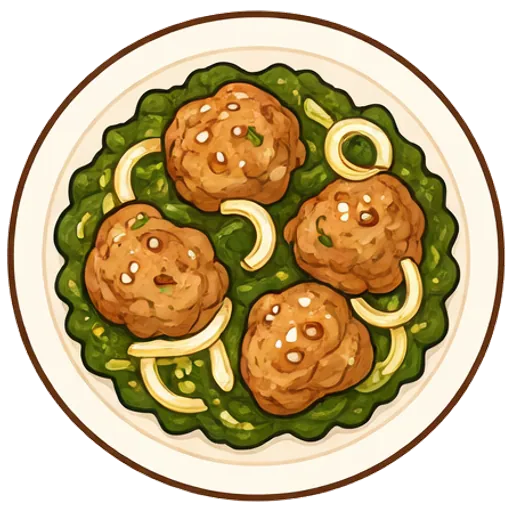
Chicken thighs with collard greens
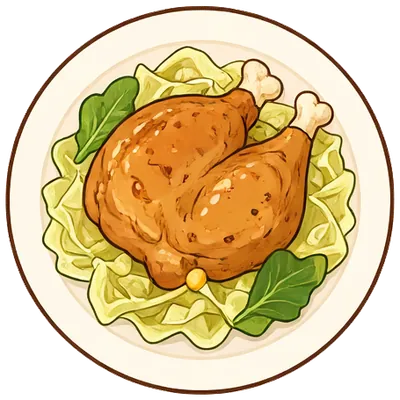
Crisp-skinned thighs roasted on a bed of tangy, garlicky collards that soak up all the chicken drippings, Southern and dirt cheap.
- 65 min total
- 30 min hands-on
- Follow-a-recipe easy
- Serves 4
- About $2.37 a serving
- 530 calories
- Good the next day
- Gluten-free
- Dairy-free

Dolly says: Make the full amount. It’s just as good for lunch the next day.
Ingredients
For 4 servings.
- 6 bone-in chicken thighs, skin on
- 1 yellow onion, chopped
- 4 cloves garlic, sliced
- 2 bunches collard greens, stems removed, leaves chopped
- 1 cup chicken broth
- 1 tsp hot sauce (optional)
From your pantry
- 1½ tsp salt, divided
- ½ tsp black pepper
- 1 tsp smoked paprika
- ½ tsp red pepper flakes
- 1½ tbsp apple cider vinegar
- 1 tsp brown sugar
Each serving has about 530 calories, 39 g protein, 16 g carbs and 35 g fat, and costs about $2.37 at typical US grocery prices. Both are estimates from what the recipe uses.
Missing something?
- No bone-in chicken thighs? Chicken drumsticks work.
- No yellow onions? White onions or red onions work.
- No chicken broth? Vegetable broth or bone broth works.
- No hot sauce? Sriracha works.
Steps
Tap an underlined word for a quick explanation.
the oven to 425°F.
Preheat. Preheating means turning the oven on before you start, so it’s fully hot when the food goes in. Food that starts in a cold oven cooks unevenly and doesn’t brown the same.
How you’ll know: The oven beeps or its light clicks off, usually 10 to 15 minutes after you turn it on.
the chicken dry and it with 1 teaspoon of salt, the pepper and smoked paprika.
Pat dry. Patting dry means pressing paper towels onto food to soak up the moisture on its surface. Wet food steams instead of browning, so this is how you get a good sear and crisp skin.
How you’ll know: The surface feels tacky, not wet, and the last paper towel comes away barely damp.
Season. Seasoning means adding salt, pepper or spices to bring out a food’s flavor. A little at a few stages tastes better than a lot all at the end.
How you’ll know: When you taste it, it tastes bright and like itself, not flat and not salty.
Food safety: Wash your hands, the board and the knife with hot soapy water after touching raw meat, and don’t rinse raw chicken in the sink.
Set a large oven-safe or over medium.
Skillet. A skillet is a frying pan: wide and flat with low, sloped sides. The shape lets steam escape, so food browns instead of stewing.
How you’ll know: It’s the pan you’d fry an egg in, and a 10 or 12 inch one handles most recipes.
Dutch oven. A Dutch oven is a heavy pot, usually enameled cast iron, with a tight-fitting lid. It holds heat evenly, so it’s great for soups, stews and anything that simmers a long time.
How you’ll know: Any large, heavy pot with a lid does the same job if you don’t have one.
Medium heat
Lay the thighs in skin side down and cook 10 to 12 minutes, until .
Crispy. Crispy means the outside is dry, firm and crunchy. It comes from high heat, a little oil and room in the pan, because crowded food steams and goes soft.
How you’ll know: It sounds crunchy when you tap or bite it, and it doesn’t flop when you lift it.
Medium heatTimer: 11 min
 Dolly’s tip: No oil needed. The skin gives up its own fat as it crisps.
Move them to a plate.
Pour off all but 2 tablespoons of fat. Cook the onion 4 minutes, then in the garlic and pepper flakes for 1 minute.
Stir. Stirring means moving food around with a spoon or spatula so it cooks evenly and doesn’t stick. Unless the recipe says constantly, every so often is plenty, and it gives food time to brown.
How you’ll know: When you drag the spoon across the bottom, nothing is sticking or scorching.
Medium heatTimer: 5 min
Add the collards by handfuls, until they , 4 to 5 minutes. Pour in the broth, vinegar, brown sugar and ½ teaspoon of salt and .
Stir. Stirring means moving food around with a spoon or spatula so it cooks evenly and doesn’t stick. Unless the recipe says constantly, every so often is plenty, and it gives food time to brown.
How you’ll know: When you drag the spoon across the bottom, nothing is sticking or scorching.
Wilt. Wilting means cooking leafy greens just until they go soft and collapse. Greens shrink a lot, so a big pile of spinach becomes a small handful, and that’s normal.
How you’ll know: The leaves turn soft and deep green and slump into the pan, usually within a minute or two.
Scrape up the browned bits. It means loosening the brown bits stuck to the pan with a wooden spoon, usually right after adding liquid. Those bits are concentrated flavor, and they melt into the sauce.
How you’ll know: The bottom of the pan looks clean again, and the liquid turns darker and richer.
Medium heatTimer: 4 min 30 sec
Dolly’s tip: It looks like a mountain at first. It cooks down to a quarter of the size.Nestle the chicken skin side up on the greens and uncovered 25 to 30 minutes, until the greens are silky and the thickest thigh reads 165°F.
Roast. Roasting means cooking in a hot oven, around 400°F to 450°F, usually spread out on a sheet pan. The dry heat browns the outside and brings out sweetness, especially in vegetables.
How you’ll know: The edges are browned and a little crisp, and a fork slides easily into the thickest piece.
Timer: 27 min 30 sec
Food safety: Chicken and turkey are done at 165°F in the thickest part. A thermometer is the only sure check. Without one, cut into the thickest piece: it should be white all the way through, with no pink.
Serve the chicken over the greens with of hot sauce and plenty of the pan juices.
Splash. A splash is a small, quick pour, about a teaspoon to a tablespoon. It’s there to loosen or brighten a dish, so the exact amount doesn’t matter.
How you’ll know: The dish looks a little looser or tastes a little brighter, not soupy.

Plan this in Dollop, and get the grocery list
Dollop puts this dinner on a night that suits your week, lists only what you still need to buy, and walks you through each step while you cook.