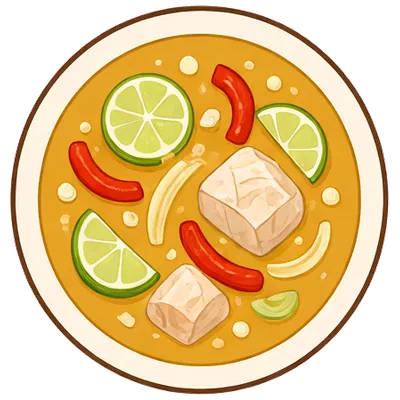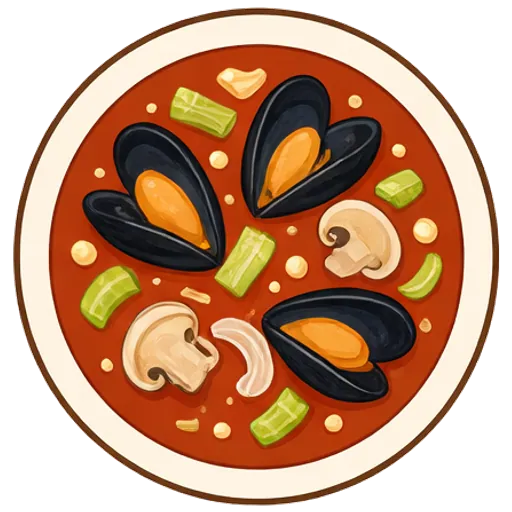
Cioppino (San Francisco seafood stew)
Mussels, shrimp and flaky fish simmered in a garlicky tomato and white wine broth, the San Francisco fisherman’s stew made for dunking bread.
- 60 min total
- 40 min hands-on
- A little more hands-on
- Serves 4
- About $6.51 a serving
- 400 calories
- Dairy-free

Dolly says: Read the steps once before you start. Everything goes smoother after that.
Ingredients
For 4 servings.
- 1 lb mussels
- 1 can canned chopped clams, 6.5 oz
- 1 yellow onion, diced
- 2 stalks celery, diced
- 5 cloves garlic, minced
- 2 tbsp tomato paste
- 1 cup dry white wine
- 1 can crushed tomatoes, 28 oz
- 12 oz cod fillets, cut into 2-inch pieces
- 8 oz raw shrimp, peeled and deveined
- ¼ cup fresh parsley, chopped
- 1 lemon, cut into wedges
- 1 French bread, sliced, for dunking (optional)
From your pantry
- 3 tbsp olive oil
- ½ tsp red pepper flakes
- 1 cup water
- 2 bay leaves
- 1 tsp dried oregano
- ½ tsp salt
Each serving has about 400 calories, 38 g protein, 27 g carbs and 13 g fat, and costs about $6.51 at typical US grocery prices. Both are estimates from what the recipe uses.
Missing something?
- No yellow onions? White onions or red onions work.
- No crushed tomatoes? Diced tomatoes work.
- No cod fillets? Tilapia fillets work.
- No raw shrimp? Frozen raw shrimp works.
- No fresh parsley? Cilantro works.
- No lemons? Limes work.
- No French bread? Sourdough bread works.
Steps
Tap an underlined word for a quick explanation.
the mussels in a colander and pull off any stringy beards. Tap any open ones on the counter: throw away any that don’t close.
Rinse. Rinsing means running cold water over rice or canned beans in a strainer while you swish them around. It washes off loose starch and can liquid, so rice cooks up fluffy and beans taste clean.
How you’ll know: The water running out goes from cloudy to mostly clear; it doesn’t have to be perfect.
 Dolly’s tip: A live mussel closes when tapped. One that stays open is dead and not safe to eat.
the clams over a bowl, saving the juice. the onion and celery, the garlic, and cut the cod into 2-inch pieces.
Drain. Draining means pouring off liquid, like tipping pasta into a colander or spooning extra fat out of the pan. Pour hot grease into a can or jar, not the sink, where it hardens and clogs the pipes.
How you’ll know: Only a few drips are left, and the food isn’t sitting in a puddle.
Dice. Dicing means cutting food into small, even cubes, usually a quarter to half an inch across. Pieces the same size cook at the same speed, so nothing burns while the rest catches up.
How you’ll know: Your pieces are little cubes about the size of a chickpea, and they all look close to the same.
Mince. Mincing means chopping something into the tiniest pieces you can, smaller than a grain of rice. Tiny pieces melt into the dish, so you get the flavor without biting into a chunk of garlic.
How you’ll know: Every piece is tiny and about the same size, and the pile starts to look almost like a paste.
Food safety: Wash your hands, the board and the knife with hot soapy water after touching raw meat, and don’t rinse raw chicken in the sink.
Heat the oil in a or large pot over medium heat and cook the onion and celery for 5 minutes, until soft. Stir in the garlic, pepper flakes and tomato paste for 1 minute.
Dutch oven. A Dutch oven is a heavy pot, usually enameled cast iron, with a tight-fitting lid. It holds heat evenly, so it’s great for soups, stews and anything that simmers a long time.
How you’ll know: Any large, heavy pot with a lid does the same job if you don’t have one.
Medium heatTimer: 6 min
Pour in the wine and let it bubble for 2 minutes, scraping the bottom.
Medium-high heatTimer: 2 min
Add the crushed tomatoes, clam juice, water, bay leaves, oregano and salt and .
Bring to a boil. It means heating a liquid on high until it’s fully boiling before you move on. A lid on the pot gets it there faster, which makes it a good moment to chop something.
How you’ll know: Big bubbles break all over the surface, and they keep coming when you lift the lid.
High heat
Turn the heat to low and for 20 minutes.
Simmer. Simmering means keeping a liquid just below a boil, with small bubbles rising gently. It cooks food evenly and lets a sauce thicken without scorching on the bottom.
How you’ll know: Small, lazy bubbles break the surface every second or so, and nothing is churning.
Low heatTimer: 20 min
Nestle the cod into the broth and simmer for 3 minutes.
Medium heatTimer: 3 min
Add the shrimp and mussels, cover and cook for 5 to 6 minutes, until the mussels open, the shrimp are pink and the fish flakes.
Medium heatTimer: 5 min 30 sec
Dolly’s tip: Throw away any mussels that stay shut after cooking.Food safety: Shrimp are done when they turn pink and opaque all the way through and curl into a loose C. A tight O means overcooked, not unsafe.
Check a piece of cod: it should flake apart easily with a fork. Stir in the clams and parsley, pull out the bay leaves, and ladle into wide bowls with lemon wedges and bread for dunking.
Food safety: Fish is done at 145°F, when the middle looks opaque and flakes apart easily with a fork.

Plan this in Dollop, and get the grocery list
Dollop puts this dinner on a night that suits your week, lists only what you still need to buy, and walks you through each step while you cook.