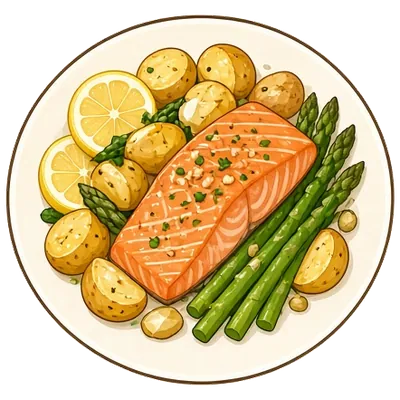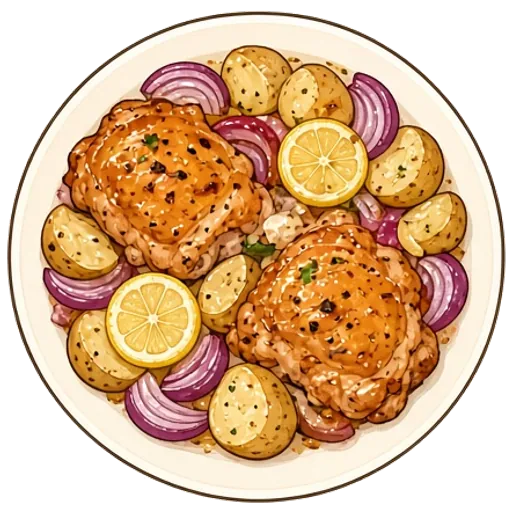
Greek sheet-pan chicken and potatoes
Lemony, garlicky chicken and crispy potatoes roasted together with oregano on one pan.
- 55 min total
- 15 min hands-on
- Anyone can make this
- Serves 2
- About $4.31 a serving
- 670 calories
- Good the next day
- Gluten-free

Dolly says: Make the full amount. It’s just as good for lunch the next day.
Ingredients
For 2 servings.
- 1 lb baby potatoes
- 1 red onion
- 1 lemon
- 4 cloves garlic, minced
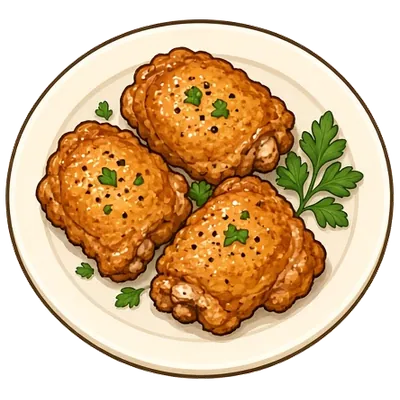
- 1 lb boneless chicken thighs
- ¼ cup feta cheese, crumbled (optional)
- 2 tbsp fresh parsley, chopped (optional)
From your pantry
- 3 tbsp olive oil, divided
- 1 tsp salt, divided
- 2 tsp dried oregano, divided
- ½ tsp black pepper
Each serving has about 670 calories, 51 g protein, 50 g carbs and 30 g fat, and costs about $4.31 at typical US grocery prices. Both are estimates from what the recipe uses.
Missing something?
- No baby potatoes? Red potatoes or yukon gold potatoes work.
- No red onions? White onions or yellow onions work.
- No lemons? Limes work.
- No boneless chicken thighs? Chicken breasts or chicken tenderloins work.
- No feta cheese? Goat cheese works.
- No fresh parsley? Cilantro works.
Steps
Tap an underlined word for a quick explanation.
the oven to 425°F and set out a .
Preheat. Preheating means turning the oven on before you start, so it’s fully hot when the food goes in. Food that starts in a cold oven cooks unevenly and doesn’t brown the same.
How you’ll know: The oven beeps or its light clicks off, usually 10 to 15 minutes after you turn it on.
Sheet pan. A sheet pan is a flat metal baking tray with a low rim all the way around. The rim catches juices, and the wide surface lets food spread out and brown.
How you’ll know: Everything fits in one layer with a little space between the pieces.
the potatoes, cutting any bigger than a golf ball into quarters, so all the pieces are about the same size.
Halve. Halving means cutting something into two equal pieces. Even halves cook at the same speed, so one doesn’t dry out while the other finishes.
How you’ll know: The two pieces look like mirror images of each other.
 Dolly’s tip: Roll each half onto its cut side before cutting again. Flat side down means it can’t roll.
the onion through the root, it, and cut each half into 4 wedges, keeping a bit of root on each so the layers hold together.
Halve. Halving means cutting something into two equal pieces. Even halves cook at the same speed, so one doesn’t dry out while the other finishes.
How you’ll know: The two pieces look like mirror images of each other.
Peel. Peeling means removing the skin with a vegetable peeler or a small knife. It takes off tough or bitter skins, though potato and carrot skins are fine to leave on unless the recipe insists.
How you’ll know: The color underneath is even all over, with no patches of skin left behind.
the potatoes and onion on the with 2 tablespoons oil and half the salt and oregano, spread them out, and 15 minutes.
Toss. Tossing means gently lifting and turning food so everything gets coated, like pasta in sauce or vegetables in oil. It coats every piece evenly without mashing anything.
How you’ll know: Every piece looks glossy or evenly coated, with no dry spots hiding underneath.
Sheet pan. A sheet pan is a flat metal baking tray with a low rim all the way around. The rim catches juices, and the wide surface lets food spread out and brown.
How you’ll know: Everything fits in one layer with a little space between the pieces.
Roast. Roasting means cooking in a hot oven, around 400°F to 450°F, usually spread out on a sheet pan. The dry heat browns the outside and brings out sweetness, especially in vegetables.
How you’ll know: The edges are browned and a little crisp, and a fork slides easily into the thickest piece.
Timer: 15 min
Meanwhile, the lemon into a bowl, then it and squeeze in the juice. Add the garlic, pepper, and the rest of the oil, salt and oregano.
Zest. Zest is the thin, colored outer layer of citrus peel, rubbed off on the smallest holes of a grater. It holds the fruit’s fragrant oils, so it adds bright flavor without the sourness of juice.
How you’ll know: You see bright flecks and smell citrus right away; stop when you reach the white layer, which is bitter.
Halve. Halving means cutting something into two equal pieces. Even halves cook at the same speed, so one doesn’t dry out while the other finishes.
How you’ll know: The two pieces look like mirror images of each other.
Add the chicken to the bowl and turn it with a fork until it’s coated all over.
Push the potatoes to the sides, lay the chicken in the middle, and pour any lemon mixture left in the bowl over the potatoes.
20 to 25 minutes, until the potatoes are and the thickest piece of chicken reads 165°F.
Roast. Roasting means cooking in a hot oven, around 400°F to 450°F, usually spread out on a sheet pan. The dry heat browns the outside and brings out sweetness, especially in vegetables.
How you’ll know: The edges are browned and a little crisp, and a fork slides easily into the thickest piece.
Golden brown. Golden brown is the color of good toast, somewhere between yellow and light brown. It means the outside is cooked and crisp but not burnt.
How you’ll know: It looks like toast and smells toasty; dark brown with a bitter smell means it went too far.
Timer: 22 min
Food safety: Chicken is done at 165°F in the thickest part. A thermometer is the only sure check. Without one, cut into the thickest piece: it should be white all the way through, with no pink.
Scatter the feta and parsley over the top and spoon the pan juices over everything.

Plan this in Dollop, and get the grocery list
Dollop puts this dinner on a night that suits your week, lists only what you still need to buy, and walks you through each step while you cook.