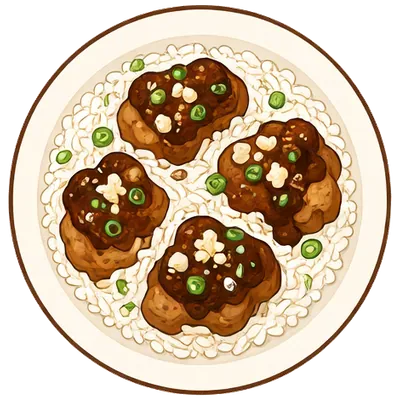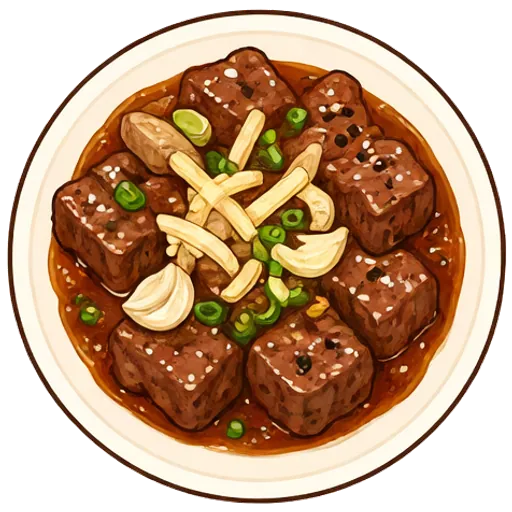
Instant Pot red braised pork (hong shao rou)
Glossy, caramel-dark pork in a sweet soy and ginger glaze, the Shanghai home-cooking classic in a fraction of the time.
- 75 min total
- 30 min hands-on
- Follow-a-recipe easy
- Serves 4
- About $2.00 a serving
- 850 calories
- Good the next day
- Dairy-free

Dolly says: Make the full amount. It’s just as good for lunch the next day.
Ingredients
For 4 servings.
- 2 lb pork shoulder, cut into 1½-inch cubes
- 2 tbsp fresh ginger, thinly sliced
- 4 cloves garlic, smashed
- 4 stalks green onions, cut into 2-inch pieces, divided
- ½ tsp Chinese five-spice powder
- 1½ cups jasmine rice
From your pantry
- 1 tbsp vegetable oil
- 3 tbsp brown sugar
- ⅓ cup soy sauce
- 3¼ cups water, divided
Each serving has about 850 calories, 46 g protein, 69 g carbs and 43 g fat, and costs about $2.00 at typical US grocery prices. Both are estimates from what the recipe uses.
Missing something?
- No green onions? Chives work.
- No jasmine rice? Long-grain white rice or basmati rice works.
Steps
Tap an underlined word for a quick explanation.
the pork cubes dry with paper towels.
Pat dry. Patting dry means pressing paper towels onto food to soak up the moisture on its surface. Wet food steams instead of browning, so this is how you get a good sear and crisp skin.
How you’ll know: The surface feels tacky, not wet, and the last paper towel comes away barely damp.
Set the Instant Pot to sauté, add the oil, and the pork in two batches, 3 to 4 minutes each, until on two sides. Move it to a bowl.
Brown. Browning means cooking until the outside turns brown, which is where a lot of savory flavor comes from. Give food room and time without stirring, or it steams and stays gray.
How you’ll know: The food looks brown rather than gray, and the kitchen smells toasty and savory.
Golden brown. Golden brown is the color of good toast, somewhere between yellow and light brown. It means the outside is cooked and crisp but not burnt.
How you’ll know: It looks like toast and smells toasty; dark brown with a bitter smell means it went too far.
Timer: 7 min
Add the brown sugar to the pot and stir 1 to 2 minutes, until it and bubbles into a dark caramel.
Melt. Melting means gently heating something solid, like butter or cheese, until it turns liquid. Low or medium heat keeps it from browning or burning.
How you’ll know: It’s smooth and liquid, and butter may foam a little but hasn’t turned brown.
Timer: 1 min 30 sec
 Dolly’s tip: It should smell like toffee. If it smells burnt, wipe the pot and start the sugar again.
Return the pork and it in the caramel, then add the ginger, garlic, half the green onions, the soy sauce, five-spice and 1 cup of the water, .
Toss. Tossing means gently lifting and turning food so everything gets coated, like pasta in sauce or vegetables in oil. It coats every piece evenly without mashing anything.
How you’ll know: Every piece looks glossy or evenly coated, with no dry spots hiding underneath.
Scrape up the browned bits. It means loosening the brown bits stuck to the pan with a wooden spoon, usually right after adding liquid. Those bits are concentrated flavor, and they melt into the sauce.
How you’ll know: The bottom of the pan looks clean again, and the liquid turns darker and richer.
Lock the lid and cook on high pressure 25 minutes, then let the pressure come down on its own for 10 minutes before releasing the rest.
Timer: 25 min
Dolly’s tip: Keep your face and hands away from the valve when you turn it. The steam shoots straight up.Meanwhile, the rice and bring it with the rest of the water in a .
Rinse. Rinsing means running cold water over rice or canned beans in a strainer while you swish them around. It washes off loose starch and can liquid, so rice cooks up fluffy and beans taste clean.
How you’ll know: The water running out goes from cloudy to mostly clear; it doesn’t have to be perfect.
Bring to a boil. It means heating a liquid on high until it’s fully boiling before you move on. A lid on the pot gets it there faster, which makes it a good moment to chop something.
How you’ll know: Big bubbles break all over the surface, and they keep coming when you lift the lid.
Saucepan. A saucepan is a pot with tall, straight sides and one long handle. It’s for things that need depth, like rice, sauces or a few boiled eggs.
How you’ll know: The food fills it about halfway, leaving room to bubble without spilling over.
High heat
Cover, turn the heat to low, and cook 15 minutes.
Low heatTimer: 15 min
Open the pot, set it to sauté, and the sauce uncovered 6 to 8 minutes, stirring, until the pork is and the sauce to a sticky glaze.
Boil. Boiling means heating a liquid until big bubbles rise and break all over the surface. It’s the fastest way to cook pasta, potatoes and eggs, because it’s as hot as water gets.
How you’ll know: Bubbles are breaking across the whole surface, not just at the edges, and steam is rising.
Fork-tender. Fork-tender means cooked until a fork slides in with almost no push. It’s how you know potatoes, carrots or slow-cooked meat are soft all the way through.
How you’ll know: The fork slides in and out easily, and meat pulls apart with very little effort.
Reduce. Reducing means simmering a liquid with the lid off so some of the water steams away. The sauce gets thicker and its flavor gets stronger.
How you’ll know: The level drops in the pan, and the sauce coats the back of a spoon instead of running off.
Timer: 7 min
Dolly’s tip: Stir more often at the end. Once the sauce gets thick, the sugar can catch on the bottom.Food safety: Steak, pork chops and other whole cuts are safe at 145°F in the middle, then let them rest for 3 minutes before cutting.
Serve the pork over the rice with the rest of the green onions scattered on top.

Plan this in Dollop, and get the grocery list
Dollop puts this dinner on a night that suits your week, lists only what you still need to buy, and walks you through each step while you cook.