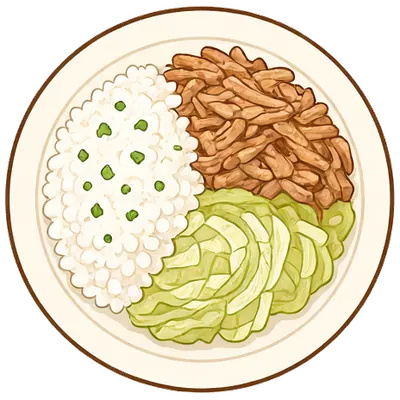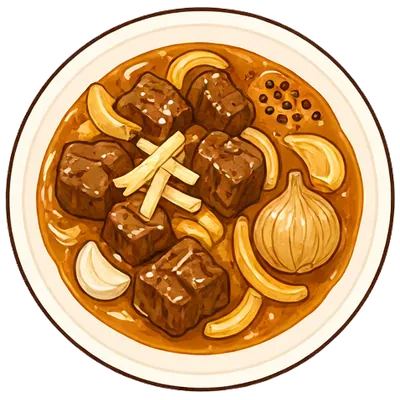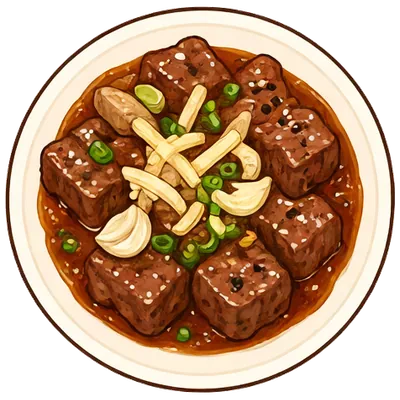
Pork adobo
Tender pork braised in soy sauce, vinegar, garlic and bay until the sauce turns into a sticky glaze, the Filipino dish that tastes even better the next day.
- 110 min total
- 25 min hands-on
- Follow-a-recipe easy
- Serves 6
- About $1.35 a serving
- 620 calories
- Good the next day
- Dairy-free

Dolly says: Make the full amount. It’s just as good for lunch the next day.
Ingredients
For 6 servings.
- 2 lb pork shoulder, cut into 1½-inch cubes
- 10 cloves garlic, smashed
- 2 cups long-grain white rice
- 2 stalks green onions, sliced (optional)
From your pantry
- 1 tbsp vegetable oil
- ½ cup soy sauce
- ½ cup white vinegar
- 4 cups water, divided
- 3 bay leaves
- 1 tsp black pepper, coarsely ground
- 1 tbsp brown sugar
Each serving has about 620 calories, 32 g protein, 55 g carbs and 29 g fat, and costs about $1.35 at typical US grocery prices. Both are estimates from what the recipe uses.
Missing something?
- No long-grain white rice? Jasmine rice or basmati rice works.
- No green onions? Chives work.
Steps
Tap an underlined word for a quick explanation.
Heat the oil in a or large heavy pot over medium-high. the pork in two batches, 3 to 4 minutes each, until on a couple of sides, and move it to a plate.
Dutch oven. A Dutch oven is a heavy pot, usually enameled cast iron, with a tight-fitting lid. It holds heat evenly, so it’s great for soups, stews and anything that simmers a long time.
How you’ll know: Any large, heavy pot with a lid does the same job if you don’t have one.
Brown. Browning means cooking until the outside turns brown, which is where a lot of savory flavor comes from. Give food room and time without stirring, or it steams and stays gray.
How you’ll know: The food looks brown rather than gray, and the kitchen smells toasty and savory.
Golden brown. Golden brown is the color of good toast, somewhere between yellow and light brown. It means the outside is cooked and crisp but not burnt.
How you’ll know: It looks like toast and smells toasty; dark brown with a bitter smell means it went too far.
Medium-high heatTimer: 7 min
 Dolly’s tip: Don’t crowd the pot. Pork that’s packed in steams gray instead of browning.
Turn the heat to medium, add the garlic, and stir 1 minute, and just golden.
Fragrant. Fragrant means cooking until you can clearly smell it, usually garlic or spices, often in about 30 seconds. That’s the moment the flavor is ready, just before it can burn.
How you’ll know: You can smell it from a step back, and garlic is pale gold, not brown.
Medium heat
Return all the pork and add the soy sauce, vinegar, 1 cup of the water, the bay leaves and pepper. and don’t stir for the first 2 minutes.
Bring to a boil. It means heating a liquid on high until it’s fully boiling before you move on. A lid on the pot gets it there faster, which makes it a good moment to chop something.
How you’ll know: Big bubbles break all over the surface, and they keep coming when you lift the lid.
High heat
Dolly’s tip: Letting the vinegar boil a minute before you stir mellows its sharp smell.Cover, turn the heat to low, and 60 to 75 minutes, until the pork is .
Simmer. Simmering means keeping a liquid just below a boil, with small bubbles rising gently. It cooks food evenly and lets a sauce thicken without scorching on the bottom.
How you’ll know: Small, lazy bubbles break the surface every second or so, and nothing is churning.
Fork-tender. Fork-tender means cooked until a fork slides in with almost no push. It’s how you know potatoes, carrots or slow-cooked meat are soft all the way through.
How you’ll know: The fork slides in and out easily, and meat pulls apart with very little effort.
Low heatTimer: 70 min
Food safety: Steak, pork chops and other whole cuts are safe at 145°F in the middle, then let them rest for 3 minutes before cutting.
About 25 minutes before the pork is done, bring the rice and the other 3 cups of water in a .
Bring to a boil. It means heating a liquid on high until it’s fully boiling before you move on. A lid on the pot gets it there faster, which makes it a good moment to chop something.
How you’ll know: Big bubbles break all over the surface, and they keep coming when you lift the lid.
Saucepan. A saucepan is a pot with tall, straight sides and one long handle. It’s for things that need depth, like rice, sauces or a few boiled eggs.
How you’ll know: The food fills it about halfway, leaving room to bubble without spilling over.
High heat
Cover, turn the heat to low, and cook 18 minutes.
Low heatTimer: 18 min
Uncover the pork, stir in the brown sugar, and 10 to 15 minutes more, until the sauce to a glossy glaze that coats the meat.
Simmer. Simmering means keeping a liquid just below a boil, with small bubbles rising gently. It cooks food evenly and lets a sauce thicken without scorching on the bottom.
How you’ll know: Small, lazy bubbles break the surface every second or so, and nothing is churning.
Reduce. Reducing means simmering a liquid with the lid off so some of the water steams away. The sauce gets thicker and its flavor gets stronger.
How you’ll know: The level drops in the pan, and the sauce coats the back of a spoon instead of running off.
Medium heatTimer: 12 min
Fish out the bay leaves and serve the adobo over the rice with the sauce spooned on top and the green onions scattered over.
Dolly’s tip: Adobo keeps 4 days in the fridge and gets better every one of them.

Plan this in Dollop, and get the grocery list
Dollop puts this dinner on a night that suits your week, lists only what you still need to buy, and walks you through each step while you cook.