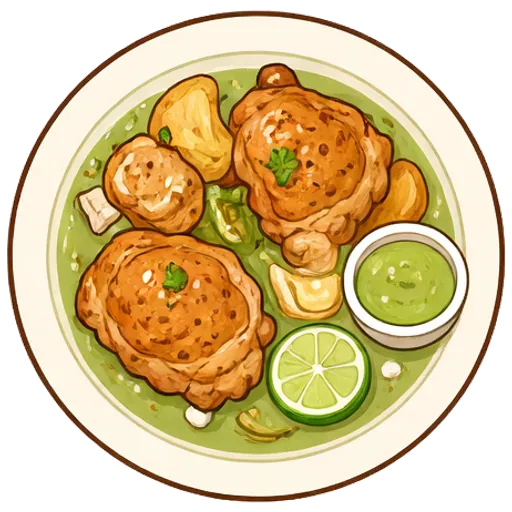
Peruvian chicken with green sauce
Dark, garlicky roast chicken and potato wedges with a creamy, spicy green sauce you’ll want to put on everything you own.
- 85 min total
- 30 min hands-on
- A little more hands-on
- Serves 4
- About $2.75 a serving
- 810 calories
- Good the next day

Dolly says: Make the full amount. It’s just as good for lunch the next day.
Ingredients
For 4 servings.
- 2 limes, juiced, divided
- 5 cloves garlic, minced, divided
- 4 bone-in chicken thighs, skin on
- 4 chicken drumsticks
- 3 russet potatoes, cut into wedges
- 1 bunch cilantro, thick stems trimmed
- 2 jalapeños, seeded
- ⅓ cup mayonnaise
- ¼ cup cotija cheese
From your pantry
- 2 tbsp soy sauce
- 2 tsp ground cumin
- 2 tsp paprika
- 1 tsp dried oregano
- 1¾ tsp salt, divided
- ½ tsp black pepper
- 2 tbsp olive oil, divided
Each serving has about 810 calories, 44 g protein, 39 g carbs and 53 g fat, and costs about $2.75 at typical US grocery prices. Both are estimates from what the recipe uses.
Missing something?
- No limes? Lemons work.
- No russet potatoes? Yukon Gold potatoes work.
- No cilantro? Fresh parsley works.
Steps
Tap an underlined word for a quick explanation.
the juice of 1 lime, 4 cloves of garlic, the soy sauce, cumin, paprika, oregano, 1 teaspoon of salt, the pepper and 1 tablespoon of oil in a big bowl.
Whisk. Whisking means beating quickly with a whisk or a fork to blend things together. It smooths out lumps and mixes eggs, oil or sauces evenly.
How you’ll know: It all looks one even color and texture, with no streaks or lumps.
the chicken dry, add it to the bowl and turn it in the marinade. Cover and in the fridge for 20 minutes, or up to overnight.
Pat dry. Patting dry means pressing paper towels onto food to soak up the moisture on its surface. Wet food steams instead of browning, so this is how you get a good sear and crisp skin.
How you’ll know: The surface feels tacky, not wet, and the last paper towel comes away barely damp.
Marinate. Marinating means letting food sit in a flavorful liquid, called a marinade, before you cook it. Always marinate in the fridge, and never reuse marinade from raw meat unless you boil it first.
How you’ll know: The food is coated all over, sealed in a bag or covered dish, and chilling in the fridge.
Timer: 20 min
Food safety: Wash your hands, the board and the knife with hot soapy water after touching raw meat, and don’t rinse raw chicken in the sink.
the oven to 425°F. the potato wedges on a large with the last tablespoon of oil and ½ teaspoon of salt, and push them to the edges.
Preheat. Preheating means turning the oven on before you start, so it’s fully hot when the food goes in. Food that starts in a cold oven cooks unevenly and doesn’t brown the same.
How you’ll know: The oven beeps or its light clicks off, usually 10 to 15 minutes after you turn it on.
Toss. Tossing means gently lifting and turning food so everything gets coated, like pasta in sauce or vegetables in oil. It coats every piece evenly without mashing anything.
How you’ll know: Every piece looks glossy or evenly coated, with no dry spots hiding underneath.
Sheet pan. A sheet pan is a flat metal baking tray with a low rim all the way around. The rim catches juices, and the wide surface lets food spread out and brown.
How you’ll know: Everything fits in one layer with a little space between the pieces.
Set the chicken skin side up in the middle of the pan and 40 to 45 minutes, until the skin is very dark and the thickest thigh reads 165°F.
Roast. Roasting means cooking in a hot oven, around 400°F to 450°F, usually spread out on a sheet pan. The dry heat browns the outside and brings out sweetness, especially in vegetables.
How you’ll know: The edges are browned and a little crisp, and a fork slides easily into the thickest piece.
Timer: 42 min
 Dolly’s tip: The soy and paprika turn the skin almost mahogany. That’s exactly right.
Food safety: Chicken and turkey are done at 165°F in the thickest part. A thermometer is the only sure check. Without one, cut into the thickest piece: it should be white all the way through, with no pink.
While it , blend the cilantro, jalapeños, mayonnaise, cotija, the second lime’s juice, the last clove of garlic and ¼ teaspoon of salt until smooth and bright green.
Roast. Roasting means cooking in a hot oven, around 400°F to 450°F, usually spread out on a sheet pan. The dry heat browns the outside and brings out sweetness, especially in vegetables.
How you’ll know: The edges are browned and a little crisp, and a fork slides easily into the thickest piece.
Dolly’s tip: Taste it. Add a splash of water if it’s too thick, or a few jalapeño seeds for more heat.Let the chicken 5 minutes, then serve it with the potatoes and a bowl of green sauce for dipping.
Rest. Resting means letting cooked meat sit for a few minutes before you cut it. It keeps cooking gently, and more of the juice stays in the meat instead of running onto the board.
How you’ll know: Loosely covered with foil, it stays hot, and very little juice runs out when you slice it.
Timer: 5 min

Plan this in Dollop, and get the grocery list
Dollop puts this dinner on a night that suits your week, lists only what you still need to buy, and walks you through each step while you cook.
More dinners like this
Garlic parmesan chicken thighs and potatoes
60 min
Sheet pan chicken drumsticks and potatoes
60 min
Greek sheet-pan chicken and potatoes
55 min
Sheet pan Cajun chicken and potatoes
50 min
One-pan dinners ›High-protein dinners ›What to make with chicken and potatoes ›