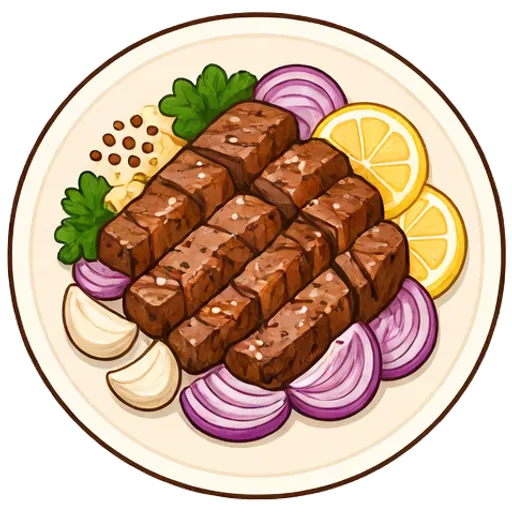
Sheet pan beef shawarma
Warmly spiced strips of beef and onion roasted until crisp at the edges, over rice with cucumber, tomato and lemony tahini.
- 45 min total
- 25 min hands-on
- Follow-a-recipe easy
- Serves 4
- About $5.53 a serving
- 730 calories
- Good the next day
- Gluten-free
- Dairy-free

Dolly says: Make the full amount. It’s just as good for lunch the next day.
Ingredients
For 4 servings.
- 1 tsp ground coriander
- 4 cloves garlic, minced, divided
- 2 lemons, juiced, divided
- 1¼ lb sirloin steak
- 1 red onion, thinly sliced
- 1½ cups basmati rice
- ⅓ cup tahini
- 1 cucumber
- 2 Roma tomatoes
- ¼ cup fresh parsley, chopped (optional)
From your pantry
- 2 tsp ground cumin
- 2 tsp paprika
- ½ tsp ground turmeric
- ¼ tsp ground cinnamon
- 3 tbsp olive oil
- 1½ tsp salt, divided
- ½ tsp black pepper
- 2½ cups water, divided
Each serving has about 730 calories, 41 g protein, 71 g carbs and 33 g fat, and costs about $5.53 at typical US grocery prices. Both are estimates from what the recipe uses.
Missing something?
- No lemons? Limes work.
- No sirloin steak? New York strip steak or ribeye steak works.
- No red onions? White onions or yellow onions work.
- No basmati rice? Jasmine rice or long-grain white rice works.
- No cucumbers? English cucumbers or mini cucumbers work.
- No fresh parsley? Cilantro works.
Steps
Tap an underlined word for a quick explanation.
the oven to 450°F.
Preheat. Preheating means turning the oven on before you start, so it’s fully hot when the food goes in. Food that starts in a cold oven cooks unevenly and doesn’t brown the same.
How you’ll know: The oven beeps or its light clicks off, usually 10 to 15 minutes after you turn it on.
Stir the cumin, coriander, paprika, turmeric, cinnamon, half the garlic, the juice of 1 lemon, the oil, 1 tsp of the salt and the pepper together in a large bowl.
Cut the steak across the grain into , and them and the onion in the bowl. Cover and it in the fridge while the rice cooks, or up to a day.
Thinly slice. Thinly slicing means cutting slices about an eighth of an inch thick, roughly two coins stacked. Thin slices cook in seconds and soften fast, which quick dishes need.
How you’ll know: A slice bends a little when you hold it by one edge, and slow, steady cuts beat fast ones.
Toss. Tossing means gently lifting and turning food so everything gets coated, like pasta in sauce or vegetables in oil. It coats every piece evenly without mashing anything.
How you’ll know: Every piece looks glossy or evenly coated, with no dry spots hiding underneath.
Marinate. Marinating means letting food sit in a flavorful liquid, called a marinade, before you cook it. Always marinate in the fridge, and never reuse marinade from raw meat unless you boil it first.
How you’ll know: The food is coated all over, sealed in a bag or covered dish, and chilling in the fridge.
the rice and bring it in a with 2¼ cups of the water and of salt.
Rinse. Rinsing means running cold water over rice or canned beans in a strainer while you swish them around. It washes off loose starch and can liquid, so rice cooks up fluffy and beans taste clean.
How you’ll know: The water running out goes from cloudy to mostly clear; it doesn’t have to be perfect.
Bring to a boil. It means heating a liquid on high until it’s fully boiling before you move on. A lid on the pot gets it there faster, which makes it a good moment to chop something.
How you’ll know: Big bubbles break all over the surface, and they keep coming when you lift the lid.
Saucepan. A saucepan is a pot with tall, straight sides and one long handle. It’s for things that need depth, like rice, sauces or a few boiled eggs.
How you’ll know: The food fills it about halfway, leaving room to bubble without spilling over.
Pinch. A pinch is what you can hold between your thumb and two fingers, less than an eighth of a teaspoon. It’s a small, forgiving amount, so there’s no need to measure.
How you’ll know: It’s a light sprinkle you can barely see on the food, not a little pile.
High heat
Cover, turn the heat to low, and cook 15 minutes.
Low heatTimer: 15 min
Spread the beef and onion on a large in one thin layer and 10 to 12 minutes, until the edges brown and the beef reads 145°F.
Sheet pan. A sheet pan is a flat metal baking tray with a low rim all the way around. The rim catches juices, and the wide surface lets food spread out and brown.
How you’ll know: Everything fits in one layer with a little space between the pieces.
Roast. Roasting means cooking in a hot oven, around 400°F to 450°F, usually spread out on a sheet pan. The dry heat browns the outside and brings out sweetness, especially in vegetables.
How you’ll know: The edges are browned and a little crisp, and a fork slides easily into the thickest piece.
Timer: 11 min
 Dolly’s tip: Use two pans if it won’t fit in one layer. Piled up, it steams instead of crisping.
Food safety: Steak, pork chops and other whole cuts are safe at 145°F in the middle, then let them rest for 3 minutes before cutting.
Turn on the and broil 2 to 3 minutes, until the edges crisp and .
Broil. Broiling means cooking under the oven’s top heating element, with strong heat from above. It browns and crisps the top in minutes, and it can burn fast, so stay close.
How you’ll know: The top bubbles and spots golden brown; check every minute and pull it before it blackens.
Char. Charring means cooking over very high heat until some spots turn black. Those dark spots add a smoky, slightly bitter flavor that balances sweet or rich food.
How you’ll know: You see black spots and blisters in places, while most of the surface keeps its own color.
Timer: 2 min 30 sec
the tahini with the juice of the second lemon, the rest of the garlic and salt, and the last ¼ cup of water until smooth and pourable.
Whisk. Whisking means beating quickly with a whisk or a fork to blend things together. It smooths out lumps and mixes eggs, oil or sauces evenly.
How you’ll know: It all looks one even color and texture, with no streaks or lumps.
Dolly’s tip: Tahini seizes up and looks curdled when the lemon goes in. Keep whisking and add water a spoonful at a time; it turns smooth.the cucumber and tomatoes.
Dice. Dicing means cutting food into small, even cubes, usually a quarter to half an inch across. Pieces the same size cook at the same speed, so nothing burns while the rest catches up.
How you’ll know: Your pieces are little cubes about the size of a chickpea, and they all look close to the same.
Serve the beef over the rice with the cucumber and tomato, a of tahini sauce and the parsley.
Drizzle. Drizzling means pouring a thin, slow stream over the top of something. A thin stream spreads a little flavor a long way.
How you’ll know: You see thin lines across the food, not a puddle collecting underneath.

Plan this in Dollop, and get the grocery list
Dollop puts this dinner on a night that suits your week, lists only what you still need to buy, and walks you through each step while you cook.
More dinners like this
Instant Pot ropa vieja
100 min
Slow cooker Swiss steak
500 min
Instant Pot chicken jambalaya
45 min
Galinhada (Brazilian chicken and rice)
55 min
One-pan dinners ›High-protein dinners ›What to make with rice and cucumber ›What to make with rice and tomatoes ›What to make with cucumber and tomatoes ›