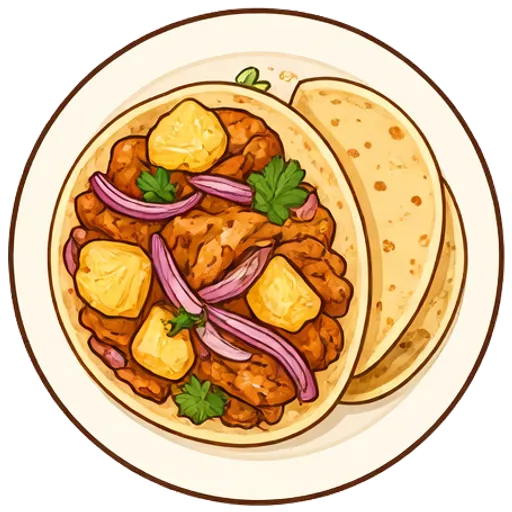
Sheet pan chicken al pastor tacos
Chile-marinated chicken and pineapple roast and char on one pan for sweet, smoky, crispy-edged tacos without a trompo in sight.
- 50 min total
- 20 min hands-on
- Follow-a-recipe easy
- Serves 4
- About $2.59 a serving
- 550 calories
- Good the next day
- Gluten-free
- Dairy-free

Dolly says: Make the full amount. It’s just as good for lunch the next day.
Ingredients
For 4 servings.
- 1 can canned pineapple chunks, chunks
- 3 cloves garlic, minced
- 1½ lb boneless chicken thighs, cut into ½-inch strips
- 1 red onion, half sliced, half finely chopped
- 12 corn tortillas
- ½ cup cilantro, chopped (optional)
- 1 lime, cut into wedges (optional)
From your pantry
- 2 tbsp white vinegar
- 2 tbsp olive oil
- 1 tbsp chili powder
- 1 tsp smoked paprika
- 1 tsp ground cumin
- 1 tsp dried oregano
- 1¼ tsp salt
Each serving has about 550 calories, 40 g protein, 63 g carbs and 17 g fat, and costs about $2.59 at typical US grocery prices. Both are estimates from what the recipe uses.
Missing something?
- No boneless chicken thighs? Chicken breasts or chicken tenderloins work.
- No red onions? White onions or yellow onions work.
- No cilantro? Fresh parsley works.
- No limes? Lemons work.
Steps
Tap an underlined word for a quick explanation.
the oven to 450°F and line a large with foil.
Preheat. Preheating means turning the oven on before you start, so it’s fully hot when the food goes in. Food that starts in a cold oven cooks unevenly and doesn’t brown the same.
How you’ll know: The oven beeps or its light clicks off, usually 10 to 15 minutes after you turn it on.
Sheet pan. A sheet pan is a flat metal baking tray with a low rim all the way around. The rim catches juices, and the wide surface lets food spread out and brown.
How you’ll know: Everything fits in one layer with a little space between the pieces.
the pineapple over a bowl, saving ¼ cup of the juice.
Drain. Draining means pouring off liquid, like tipping pasta into a colander or spooning extra fat out of the pan. Pour hot grease into a can or jar, not the sink, where it hardens and clogs the pipes.
How you’ll know: Only a few drips are left, and the food isn’t sitting in a puddle.
the pineapple juice, vinegar, oil, garlic, chili powder, smoked paprika, cumin, oregano and salt in a big bowl. Add the chicken and to coat.
Whisk. Whisking means beating quickly with a whisk or a fork to blend things together. It smooths out lumps and mixes eggs, oil or sauces evenly.
How you’ll know: It all looks one even color and texture, with no streaks or lumps.
Toss. Tossing means gently lifting and turning food so everything gets coated, like pasta in sauce or vegetables in oil. It coats every piece evenly without mashing anything.
How you’ll know: Every piece looks glossy or evenly coated, with no dry spots hiding underneath.
Food safety: Wash your hands, the board and the knife with hot soapy water after touching raw meat, and don’t rinse raw chicken in the sink.
Spread the chicken on the pan in one layer with the pineapple chunks and onion around it.
Slice. Slicing means cutting food into flat pieces of about the same thickness. Even slices cook evenly, so none are raw while others burn.
How you’ll know: Lay a few side by side: they’re close to the same thickness from one end to the other.
 Dolly’s tip: Spread it thin. Crowded chicken steams, and you want crispy, charred edges.
15 minutes.
Roast. Roasting means cooking in a hot oven, around 400°F to 450°F, usually spread out on a sheet pan. The dry heat browns the outside and brings out sweetness, especially in vegetables.
How you’ll know: The edges are browned and a little crisp, and a fork slides easily into the thickest piece.
Timer: 15 min
Switch the oven to and broil 4 to 6 minutes, until the edges are and the biggest strip of chicken reads 165°F.
Broil. Broiling means cooking under the oven’s top heating element, with strong heat from above. It browns and crisps the top in minutes, and it can burn fast, so stay close.
How you’ll know: The top bubbles and spots golden brown; check every minute and pull it before it blackens.
Char. Charring means cooking over very high heat until some spots turn black. Those dark spots add a smoky, slightly bitter flavor that balances sweet or rich food.
How you’ll know: You see black spots and blisters in places, while most of the surface keeps its own color.
Timer: 5 min
Dolly’s tip: Those dark, crispy edges are what makes it taste like al pastor. Stay close so they don’t burn.Food safety: Chicken and turkey are done at 165°F in the thickest part. A thermometer is the only sure check. Without one, cut into the thickest piece: it should be white all the way through, with no pink.
Warm the tortillas in a dry over medium, about 30 seconds per side.
Skillet. A skillet is a frying pan: wide and flat with low, sloped sides. The shape lets steam escape, so food browns instead of stewing.
How you’ll know: It’s the pan you’d fry an egg in, and a 10 or 12 inch one handles most recipes.
Medium heat
the chicken and pineapple together, pile it into the tortillas, and top with the chopped onion, cilantro and a squeeze of lime.
Chop. Chopping means cutting food into bite-size pieces that don’t need to be neat. Keep them roughly the same size so everything cooks evenly.
How you’ll know: Your pieces are about half an inch and roughly alike, even if none of them are pretty.

Plan this in Dollop, and get the grocery list
Dollop puts this dinner on a night that suits your week, lists only what you still need to buy, and walks you through each step while you cook.