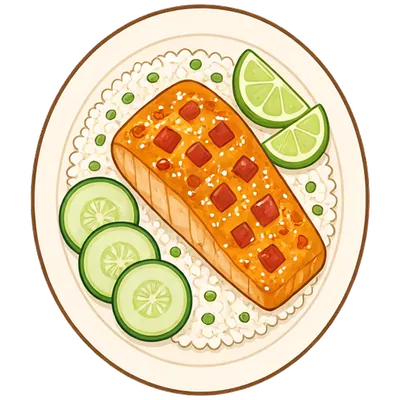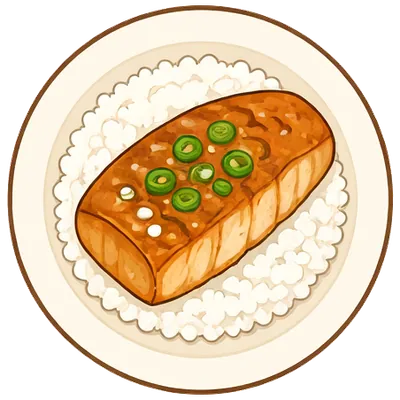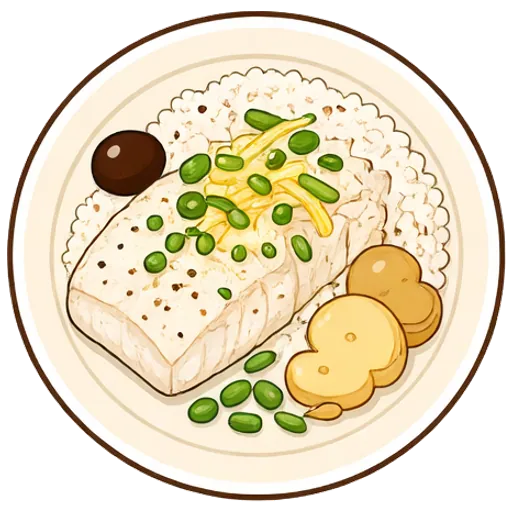
Steamed fish with ginger and scallions
Silky steamed fish under sizzling ginger-scallion oil and a splash of soy, the Cantonese classic that tastes clean and light.
- 30 min total
- 15 min hands-on
- Follow-a-recipe easy
- Serves 2
- About $2.95 a serving
- 530 calories
- Gluten-free
- Dairy-free

Dolly says: Most of the time here is hands-off, so you can sit down while it cooks.
Ingredients
For 2 servings.
- ¾ cup jasmine rice, rinsed
- 2 tbsp gluten-free tamari
- 2 tbsp fresh ginger, peeled and cut into thin matchsticks, divided
- 2 tilapia fillets, thawed if frozen
- 4 green onions, cut into thin 2-inch strips
- 2 tbsp cilantro (optional)
From your pantry
- 1½ cups water, divided
- ½ tsp sugar
- 1 pinch salt
- 2 tbsp vegetable oil
Each serving has about 530 calories, 35 g protein, 60 g carbs and 16 g fat, and costs about $2.95 at typical US grocery prices. Both are estimates from what the recipe uses.
Missing something?
- No jasmine rice? Long-grain white rice or basmati rice works.
- No tilapia fillets? Cod fillets work.
- No green onions? Chives work.
- No cilantro? Fresh parsley works.
Steps
Tap an underlined word for a quick explanation.
Put the rice and 1 cup of the water in a small and over high heat.
Rinse. Rinsing means running cold water over rice or canned beans in a strainer while you swish them around. It washes off loose starch and can liquid, so rice cooks up fluffy and beans taste clean.
How you’ll know: The water running out goes from cloudy to mostly clear; it doesn’t have to be perfect.
Saucepan. A saucepan is a pot with tall, straight sides and one long handle. It’s for things that need depth, like rice, sauces or a few boiled eggs.
How you’ll know: The food fills it about halfway, leaving room to bubble without spilling over.
Bring to a boil. It means heating a liquid on high until it’s fully boiling before you move on. A lid on the pot gets it there faster, which makes it a good moment to chop something.
How you’ll know: Big bubbles break all over the surface, and they keep coming when you lift the lid.
High heat
Cover, turn the heat to low and cook for 15 minutes, then leave it covered off the heat.
Low heatTimer: 15 min
the tamari, sugar and 1 tablespoon of water together.
Stir. Stirring means moving food around with a spoon or spatula so it cooks evenly and doesn’t stick. Unless the recipe says constantly, every so often is plenty, and it gives food time to brown.
How you’ll know: When you drag the spoon across the bottom, nothing is sticking or scorching.
Pour the rest of the water into a large with a lid and scatter in half the ginger. Lay the tilapia on top, sprinkle with the salt and over medium-high heat.
Skillet. A skillet is a frying pan: wide and flat with low, sloped sides. The shape lets steam escape, so food browns instead of stewing.
How you’ll know: It’s the pan you’d fry an egg in, and a 10 or 12 inch one handles most recipes.
Simmer. Simmering means keeping a liquid just below a boil, with small bubbles rising gently. It cooks food evenly and lets a sauce thicken without scorching on the bottom.
How you’ll know: Small, lazy bubbles break the surface every second or so, and nothing is churning.
Medium-high heat
Cover, turn the heat to medium and for 6 to 8 minutes, until the fish is opaque and flakes easily.
Steam. Steaming means cooking food over or in a little simmering water with a lid on to trap the steam. It cooks gently and keeps vegetables bright and tender.
How you’ll know: The color turns vivid, and a fork goes in with just a little resistance.
Medium heatTimer: 7 min
Food safety: Fish is done at 145°F, when the middle looks opaque and flakes apart easily with a fork.
Lift the fish onto a platter with a wide spatula, leaving the liquid behind. Pile the rest of the ginger and the green onions on top.
Heat the oil in a small over high heat until it , about 1 minute, then carefully pour it over the ginger and onions.
Saucepan. A saucepan is a pot with tall, straight sides and one long handle. It’s for things that need depth, like rice, sauces or a few boiled eggs.
How you’ll know: The food fills it about halfway, leaving room to bubble without spilling over.
Shimmering oil. Oil shimmers when it’s hot enough to cook: its surface looks rippled and wavy, like heat over a road. That’s your cue to add the food, just before the oil would start to smoke.
How you’ll know: The oil looks wavy and runs thin like water when you tilt the pan, with no smoke yet.
High heatTimer: 1 min
 Dolly’s tip: Pour slowly and stand back. That sizzle is what wakes up the ginger and onions.
Spoon the tamari sauce around the fish, scatter the cilantro over and serve with the rice.

Plan this in Dollop, and get the grocery list
Dollop puts this dinner on a night that suits your week, lists only what you still need to buy, and walks you through each step while you cook.