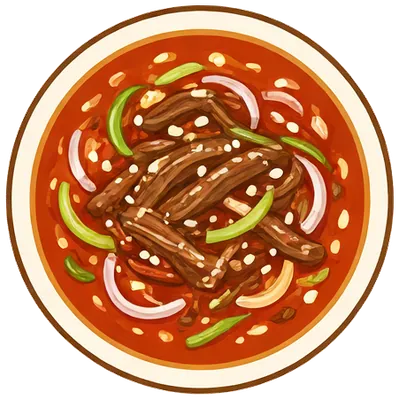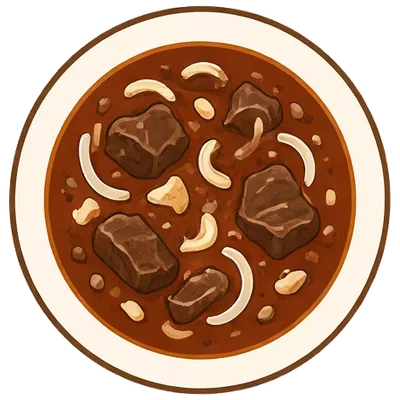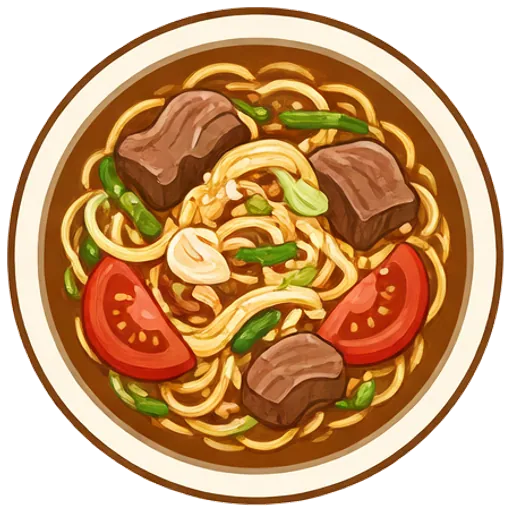
Taiwanese beef noodle soup
Beef braised for hours in a dark, spiced soy and tomato broth until it melts, ladled over thick chewy noodles with bok choy, Taiwan’s most beloved bowl.
- 165 min total
- 45 min hands-on
- A little more hands-on
- Serves 4
- About $6.32 a serving
- 650 calories
- Good the next day
- Dairy-free

Dolly says: Make the full amount. It’s just as good for lunch the next day.
Ingredients
For 4 servings.
- 1 yellow onion, cut into wedges
- 1 oz fresh ginger, sliced
- 6 cloves garlic, smashed
- 4 green onions, cut into 2-inch pieces
- 2 tomatoes, cut into wedges
- 1½ lb stew beef, cut into 2-inch pieces
- 1 tsp Chinese five-spice powder
- 1 tbsp chili garlic sauce
- 4 cups beef broth
- 8 oz lo mein noodles
- 4 heads baby bok choy, halved
From your pantry
- 2 tbsp vegetable oil
- ⅓ cup soy sauce
- 1 tbsp brown sugar
- 3 cups water
Each serving has about 650 calories, 50 g protein, 59 g carbs and 25 g fat, and costs about $6.32 at typical US grocery prices. Both are estimates from what the recipe uses.
Missing something?
- No yellow onions? White onions or red onions work.
- No green onions? Chives work.
- No tomatoes? Roma tomatoes work.
- No stew beef? Chuck roast works.
- No beef broth? Bone broth works.
Steps
Tap an underlined word for a quick explanation.
Cut the onion and tomatoes into wedges, the ginger, smash the garlic and cut the green onions into pieces.
Slice. Slicing means cutting food into flat pieces of about the same thickness. Even slices cook evenly, so none are raw while others burn.
How you’ll know: Lay a few side by side: they’re close to the same thickness from one end to the other.
the beef dry. Heat the oil in a large pot over medium-high heat and the beef in two batches, about 4 minutes per batch, then move it to a plate.
Pat dry. Patting dry means pressing paper towels onto food to soak up the moisture on its surface. Wet food steams instead of browning, so this is how you get a good sear and crisp skin.
How you’ll know: The surface feels tacky, not wet, and the last paper towel comes away barely damp.
Brown. Browning means cooking until the outside turns brown, which is where a lot of savory flavor comes from. Give food room and time without stirring, or it steams and stays gray.
How you’ll know: The food looks brown rather than gray, and the kitchen smells toasty and savory.
Medium-high heatTimer: 8 min
Food safety: Wash your hands, the board and the knife with hot soapy water after touching raw meat, and don’t rinse raw chicken in the sink.
Add the onion, ginger, garlic and green onions to the pot and cook, stirring, for 3 minutes, until they smell sweet.
Medium heatTimer: 3 min
Stir in the tomatoes, five-spice and chili garlic sauce and cook for 2 minutes, until the tomatoes .
Softened. For vegetables it means cooked until they bend and lose their crunch; for butter, left out until it dents easily. Soft onions taste sweet, and soft butter mixes in smoothly.
How you’ll know: Onions squash easily against the pan with your spoon, and butter dents under a finger without looking greasy.
Medium heatTimer: 2 min
Add the soy sauce, brown sugar, broth, water and the beef with its juices, scrape the bottom, and .
Bring to a boil. It means heating a liquid on high until it’s fully boiling before you move on. A lid on the pot gets it there faster, which makes it a good moment to chop something.
How you’ll know: Big bubbles break all over the surface, and they keep coming when you lift the lid.
High heat
Turn the heat to low, cover and for 1½ to 2 hours, until the beef is tender enough to break with a spoon.
Simmer. Simmering means keeping a liquid just below a boil, with small bubbles rising gently. It cooks food evenly and lets a sauce thicken without scorching on the bottom.
How you’ll know: Small, lazy bubbles break the surface every second or so, and nothing is churning.
Low heatTimer: 105 min
 Dolly’s tip: Taste the broth halfway. If it’s getting too salty as it reduces, add a cup of water.
Food safety: Steak, pork chops and other whole cuts are safe at 145°F in the middle, then let them rest for 3 minutes before cutting.
Near the end, bring a separate pot of water to a boil over high heat. Cook the noodles as the package says, adding the bok choy for the last 2 minutes, then .
Drain. Draining means pouring off liquid, like tipping pasta into a colander or spooning extra fat out of the pan. Pour hot grease into a can or jar, not the sink, where it hardens and clogs the pipes.
How you’ll know: Only a few drips are left, and the food isn’t sitting in a puddle.
High heat
Divide the noodles and bok choy among big bowls and ladle the beef and broth over the top.

Plan this in Dollop, and get the grocery list
Dollop puts this dinner on a night that suits your week, lists only what you still need to buy, and walks you through each step while you cook.