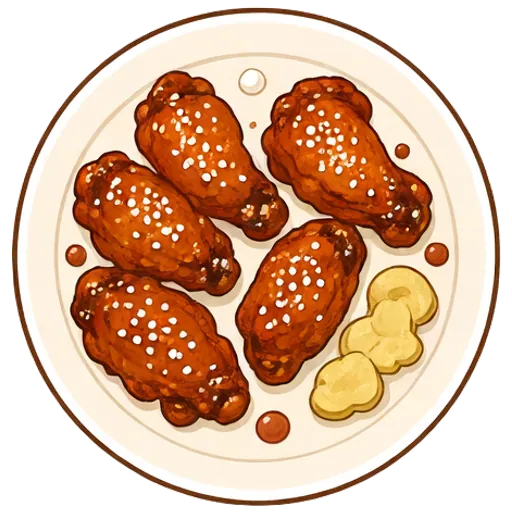
Tebasaki (Nagoya-style chicken wings)
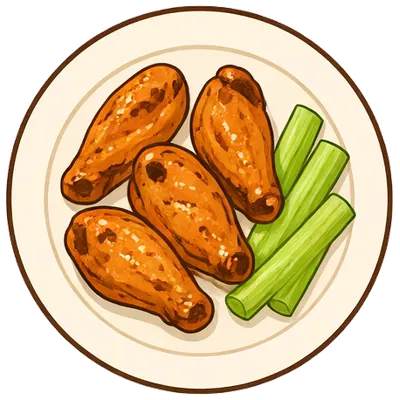
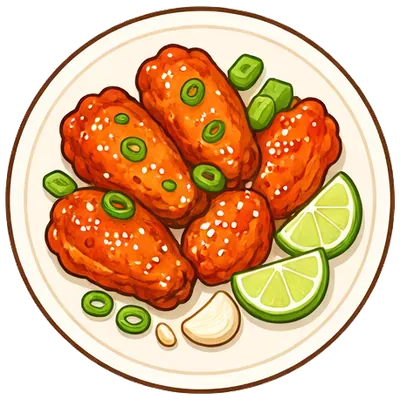
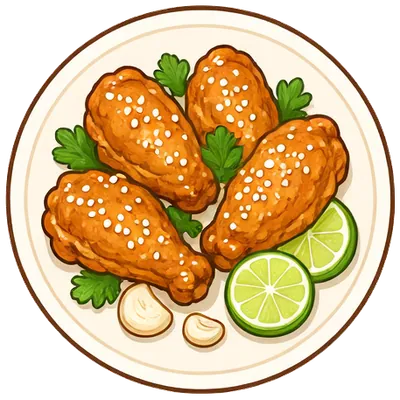
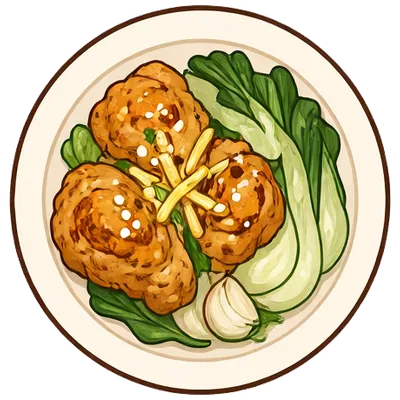
Nagoya’s famous wings: crackly skin brushed with a sweet soy glaze and coated in sesame and a serious amount of black pepper.
- 60 min total
- 15 min hands-on
- Follow-a-recipe easy
- Serves 2
- About $3.62 a serving
- 480 calories
- Dairy-free

Dolly says: Most of the time here is hands-off, so you can sit down while it cooks.
Ingredients
For 2 servings.
- 1½ lb chicken wings, flats and drumettes
- 2 tbsp mirin
- 1 clove garlic, grated
- ½ tsp fresh ginger, grated
- 1 tbsp sesame seeds
From your pantry
- 1 tsp baking powder
- ½ tsp salt
- 2 tbsp soy sauce
- 1 tbsp sugar
- 1 tsp black pepper, coarsely ground
Each serving has about 480 calories, 36 g protein, 18 g carbs and 28 g fat, and costs about $3.62 at typical US grocery prices. Both are estimates from what the recipe uses.
Steps
Tap an underlined word for a quick explanation.
the oven to 425°F with a rack in the upper middle, and line a with .
Preheat. Preheating means turning the oven on before you start, so it’s fully hot when the food goes in. Food that starts in a cold oven cooks unevenly and doesn’t brown the same.
How you’ll know: The oven beeps or its light clicks off, usually 10 to 15 minutes after you turn it on.
Sheet pan. A sheet pan is a flat metal baking tray with a low rim all the way around. The rim catches juices, and the wide surface lets food spread out and brown.
How you’ll know: Everything fits in one layer with a little space between the pieces.
Parchment paper. Parchment paper is a nonstick, oven-safe paper for lining pans. Food lifts right off and cleanup is easy, but don’t swap in wax paper or put parchment under the broiler.
How you’ll know: It lies flat in the pan, and the food slides off when you lift it.
the wings very dry, then them with the baking powder and salt until evenly dusted.
Pat dry. Patting dry means pressing paper towels onto food to soak up the moisture on its surface. Wet food steams instead of browning, so this is how you get a good sear and crisp skin.
How you’ll know: The surface feels tacky, not wet, and the last paper towel comes away barely damp.
Toss. Tossing means gently lifting and turning food so everything gets coated, like pasta in sauce or vegetables in oil. It coats every piece evenly without mashing anything.
How you’ll know: Every piece looks glossy or evenly coated, with no dry spots hiding underneath.
 Dolly’s tip: Baking powder, not baking soda. It makes the skin blister and crackle.
Food safety: Wash your hands, the board and the knife with hot soapy water after touching raw meat, and don’t rinse raw chicken in the sink.
Spread the wings skin side up with space between them and 25 minutes.
Bake. Baking means cooking in the oven with dry heat all around the food. It cooks evenly from every side, so you can mostly leave it alone.
How you’ll know: It’s golden on top and passes the recipe’s check, like a clean toothpick or the right temperature.
Timer: 25 min
Flip every wing and 20 to 25 minutes more, until deep and and the thickest drumette reads 165°F.
Bake. Baking means cooking in the oven with dry heat all around the food. It cooks evenly from every side, so you can mostly leave it alone.
How you’ll know: It’s golden on top and passes the recipe’s check, like a clean toothpick or the right temperature.
Golden brown. Golden brown is the color of good toast, somewhere between yellow and light brown. It means the outside is cooked and crisp but not burnt.
How you’ll know: It looks like toast and smells toasty; dark brown with a bitter smell means it went too far.
Crispy. Crispy means the outside is dry, firm and crunchy. It comes from high heat, a little oil and room in the pan, because crowded food steams and goes soft.
How you’ll know: It sounds crunchy when you tap or bite it, and it doesn’t flop when you lift it.
Timer: 22 min
Food safety: Chicken and turkey are done at 165°F in the thickest part. A thermometer is the only sure check. Without one, cut into the thickest piece: it should be white all the way through, with no pink.
Meanwhile, the soy sauce, mirin, sugar, garlic and ginger in a small over medium for 3 to 4 minutes, until slightly syrupy.
Simmer. Simmering means keeping a liquid just below a boil, with small bubbles rising gently. It cooks food evenly and lets a sauce thicken without scorching on the bottom.
How you’ll know: Small, lazy bubbles break the surface every second or so, and nothing is churning.
Saucepan. A saucepan is a pot with tall, straight sides and one long handle. It’s for things that need depth, like rice, sauces or a few boiled eggs.
How you’ll know: The food fills it about halfway, leaving room to bubble without spilling over.
Medium heatTimer: 3 min 30 sec
Brush the over the hot wings, then shower them with the sesame seeds and pepper and .
Glaze. A glaze is a thin, glossy coating, often sweet, brushed or spooned over food near the end. It adds shine and flavor, and because it has sugar, it can burn quickly.
How you’ll know: The food looks shiny and evenly coated, sticky at the edges but not blackened.
Toss. Tossing means gently lifting and turning food so everything gets coated, like pasta in sauce or vegetables in oil. It coats every piece evenly without mashing anything.
How you’ll know: Every piece looks glossy or evenly coated, with no dry spots hiding underneath.
Dolly’s tip: Don’t be shy with the pepper. In Nagoya, the peppery bite is the whole point.

Plan this in Dollop, and get the grocery list
Dollop puts this dinner on a night that suits your week, lists only what you still need to buy, and walks you through each step while you cook.