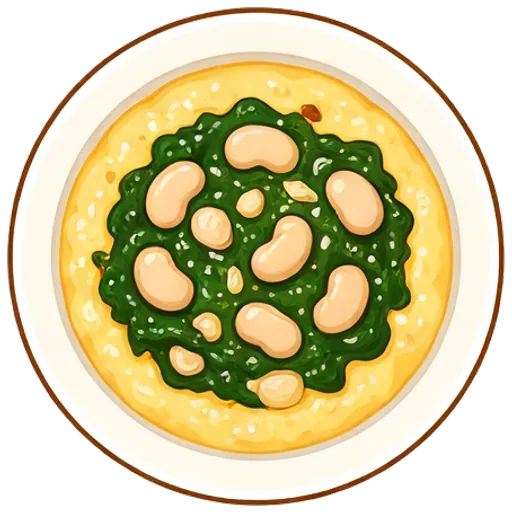
White beans and greens over creamy polenta
Garlicky kale and white beans with lemon piled over soft, cheesy polenta, a cozy Italian bowl that feels special and is made from the cheapest things in the store.
- 45 min total
- 30 min hands-on
- A little more hands-on
- Serves 4
- About $2.20 a serving
- 560 calories
- Vegetarian
- Gluten-free

Dolly says: Read the steps once before you start. Everything goes smoother after that.
Ingredients
For 4 servings.
- 1 cup cornmeal
- 1 bunch kale
- 4 cloves garlic, thinly sliced
- 1 cup vegetable broth, divided
- 2 cans cannellini beans, drained and rinsed
- 1 lemon, halved
- 2 tbsp butter
- ½ cup grated parmesan, divided
From your pantry
- 4 cups water
- 1½ tsp salt, divided
- 3 tbsp olive oil
- ¼ tsp red pepper flakes
- ¼ tsp black pepper
Each serving has about 560 calories, 22 g protein, 72 g carbs and 22 g fat, and costs about $2.20 at typical US grocery prices. Both are estimates from what the recipe uses.
Missing something?
- No kale? Baby spinach works.
- No lemons? Limes work.
- No butter? Ghee works.
- No grated parmesan? Parmesan wedge works.
Steps
Tap an underlined word for a quick explanation.
Bring the water and 1 teaspoon salt in a medium over high heat.
Bring to a boil. It means heating a liquid on high until it’s fully boiling before you move on. A lid on the pot gets it there faster, which makes it a good moment to chop something.
How you’ll know: Big bubbles break all over the surface, and they keep coming when you lift the lid.
Saucepan. A saucepan is a pot with tall, straight sides and one long handle. It’s for things that need depth, like rice, sauces or a few boiled eggs.
How you’ll know: The food fills it about halfway, leaving room to bubble without spilling over.
High heat
Pour in the cornmeal in a thin stream, the whole time, then turn the heat to low.
Whisk. Whisking means beating quickly with a whisk or a fork to blend things together. It smooths out lumps and mixes eggs, oil or sauces evenly.
How you’ll know: It all looks one even color and texture, with no streaks or lumps.
Low heat
 Dolly’s tip: Pour slowly and keep whisking, or it seizes into lumps.
Cook 25 to 30 minutes with the , stirring every few minutes and scraping the bottom, until thick, creamy and no longer gritty.
Lid ajar. Lid ajar means resting the lid on the pot slightly off-center, leaving a small gap. Some steam escapes, so the sauce thickens and doesn’t boil over, while most of the heat stays in.
How you’ll know: A thin wisp of steam drifts out of the gap, and the pot bubbles gently without spilling.
Low heatTimer: 25 min
Dolly’s tip: Polenta spits as it bubbles. Stir with a long spoon and keep the lid half on.Meanwhile, strip the kale leaves off their stems and them.
Chop. Chopping means cutting food into bite-size pieces that don’t need to be neat. Keep them roughly the same size so everything cooks evenly.
How you’ll know: Your pieces are about half an inch and roughly alike, even if none of them are pretty.
Heat the oil in a large over medium heat. Add the garlic and pepper flakes and cook 1 minute, until the garlic is at the edges.
Skillet. A skillet is a frying pan: wide and flat with low, sloped sides. The shape lets steam escape, so food browns instead of stewing.
How you’ll know: It’s the pan you’d fry an egg in, and a 10 or 12 inch one handles most recipes.
Golden brown. Golden brown is the color of good toast, somewhere between yellow and light brown. It means the outside is cooked and crisp but not burnt.
How you’ll know: It looks like toast and smells toasty; dark brown with a bitter smell means it went too far.
Medium heat
Add the kale, ½ cup broth and ½ teaspoon salt, cover, and cook 5 minutes, until and tender.
Wilt. Wilting means cooking leafy greens just until they go soft and collapse. Greens shrink a lot, so a big pile of spinach becomes a small handful, and that’s normal.
How you’ll know: The leaves turn soft and deep green and slump into the pan, usually within a minute or two.
Medium heatTimer: 5 min
Add the beans and the rest of the broth and 5 minutes, mashing a few beans, until creamy. Squeeze in half the lemon.
Simmer. Simmering means keeping a liquid just below a boil, with small bubbles rising gently. It cooks food evenly and lets a sauce thicken without scorching on the bottom.
How you’ll know: Small, lazy bubbles break the surface every second or so, and nothing is churning.
Medium heatTimer: 5 min
Stir the butter and half the parmesan into the polenta. If it has gotten too thick, loosen it with of hot water.
Splash. A splash is a small, quick pour, about a teaspoon to a tablespoon. It’s there to loosen or brighten a dish, so the exact amount doesn’t matter.
How you’ll know: The dish looks a little looser or tastes a little brighter, not soupy.
Spoon the polenta into bowls, top with the beans and greens, the rest of the parmesan and some pepper, with lemon wedges on the side.

Plan this in Dollop, and get the grocery list
Dollop puts this dinner on a night that suits your week, lists only what you still need to buy, and walks you through each step while you cook.
More dinners like this
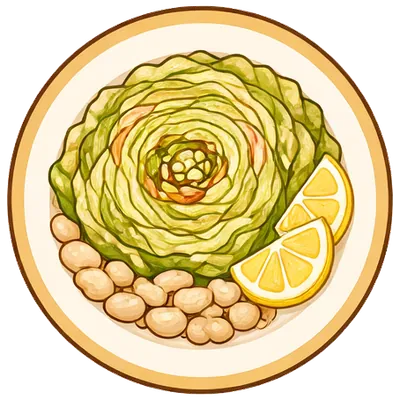
Roasted cabbage steaks with white beans and parmesan
50 min
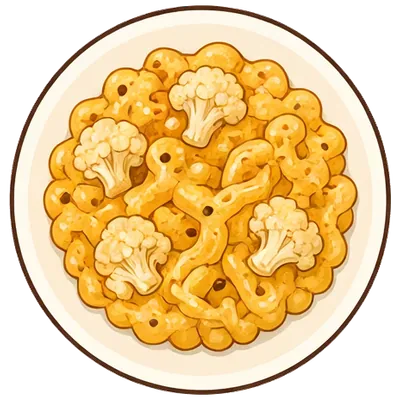
Cauliflower mac and cheese
45 min
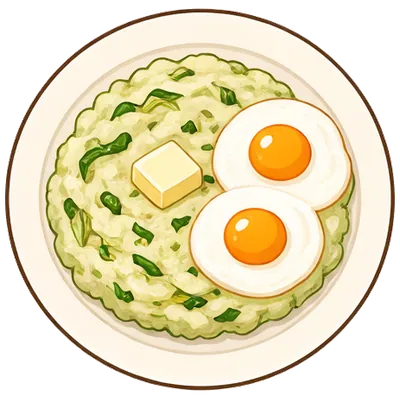
Colcannon with fried eggs
45 min
Sheet pan cheesy broccoli and potatoes
50 min
Vegetarian dinners ›Cozy comfort food ›What to make with cannellini beans and parmesan ›