Dollop
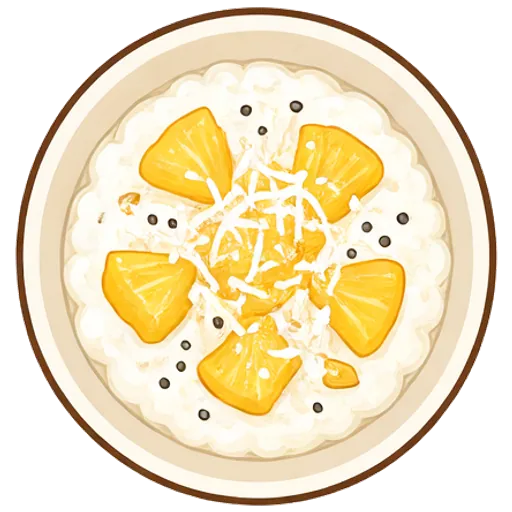
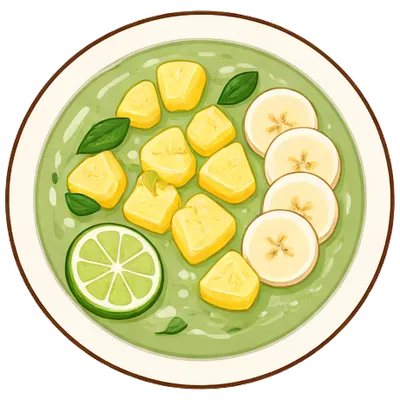
Cottage cheese bowl with pineapple and coconut
Cool, creamy cottage cheese with sweet pineapple, coconut and a little honey, a retro combination that is packed with protein and needs no cooking.
- 5 min total
- 5 min hands-on
- Anyone can make this
- Serves 1
- About $2.05 a serving
- 360 calories
- Vegetarian
- Gluten-free

Dolly says: It’s ready in 5 minutes, start to finish.
Ingredients
For 1 servings.
- ½ cup canned pineapple chunks, drained
- 1 cup cottage cheese
- 1 tbsp sweetened shredded coconut
- 1 tsp chia seeds
- 1 tsp honey
- ¼ lime, for zest (optional)
Each serving has about 360 calories, 26 g protein, 37 g carbs and 13 g fat, and costs about $2.05 at typical US grocery prices. Both are estimates from what the recipe uses.
Missing something?
- No honey? Maple syrup works.
- No limes? Lemons work.
Steps
Tap an underlined word for a quick explanation.
the pineapple chunks and them dry on a paper towel so the juice doesn’t water down the bowl.
Drain. Draining means pouring off liquid, like tipping pasta into a colander or spooning extra fat out of the pan. Pour hot grease into a can or jar, not the sink, where it hardens and clogs the pipes.
How you’ll know: Only a few drips are left, and the food isn’t sitting in a puddle.
Pat dry. Patting dry means pressing paper towels onto food to soak up the moisture on its surface. Wet food steams instead of browning, so this is how you get a good sear and crisp skin.
How you’ll know: The surface feels tacky, not wet, and the last paper towel comes away barely damp.
Spoon the cottage cheese into a bowl and top with the pineapple.
Sprinkle over the coconut and chia seeds and with the honey.
Drizzle. Drizzling means pouring a thin, slow stream over the top of something. A thin stream spreads a little flavor a long way.
How you’ll know: You see thin lines across the food, not a puddle collecting underneath.
Finely a little lime over the top if you like, and eat cold.
Grate. Grating means rubbing food across the holes of a grater to make fine shreds or flakes. It spreads cheese, garlic or ginger evenly through a dish so it melts right in.
How you’ll know: Even shreds fall off the back of the grater, and you stop while the piece is still big enough to hold.
Zest. Zest is the thin, colored outer layer of citrus peel, rubbed off on the smallest holes of a grater. It holds the fruit’s fragrant oils, so it adds bright flavor without the sourness of juice.
How you’ll know: You see bright flecks and smell citrus right away; stop when you reach the white layer, which is bitter.

Plan this in Dollop, and get the grocery list
Dollop plans your breakfasts along with the week’s dinners, puts what you need on the same grocery list, and walks you through each step.