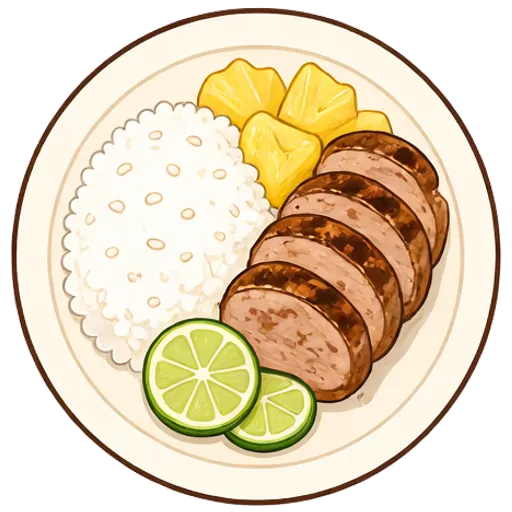
Sheet pan jerk pork tenderloin with pineapple
Spicy jerk-rubbed pork roasted with caramelized pineapple and peppers, sliced over coconut rice with a squeeze of lime.
- 45 min total
- 20 min hands-on
- Follow-a-recipe easy
- Serves 4
- About $3.65 a serving
- 690 calories
- Good the next day
- Gluten-free
- Dairy-free

Dolly says: Make the full amount. It’s just as good for lunch the next day.
Ingredients
For 4 servings.
- 1½ cups jasmine rice
- 1 can light coconut milk
- 1 pork tenderloin, about 1¼ lb
- 1 tbsp Jamaican jerk seasoning
- 2 limes
- 1 can canned pineapple chunks, drained
- 1 red bell pepper
- 1 red onion
- ¼ cup cilantro, chopped (optional)
From your pantry
- 1 cup water
- ¾ tsp salt, divided
- 1 tbsp brown sugar
- 2 tbsp olive oil, divided
Each serving has about 690 calories, 37 g protein, 93 g carbs and 20 g fat, and costs about $3.65 at typical US grocery prices. Both are estimates from what the recipe uses.
Missing something?
- No jasmine rice? Long-grain white rice or basmati rice works.
- No limes? Lemons work.
- No red bell peppers? Yellow bell peppers work.
- No red onions? White onions or yellow onions work.
- No cilantro? Fresh parsley works.
Steps
Tap an underlined word for a quick explanation.
the oven to 425°F.
Preheat. Preheating means turning the oven on before you start, so it’s fully hot when the food goes in. Food that starts in a cold oven cooks unevenly and doesn’t brown the same.
How you’ll know: The oven beeps or its light clicks off, usually 10 to 15 minutes after you turn it on.
the rice and bring it with the coconut milk, water and ¼ tsp of the salt in a .
Rinse. Rinsing means running cold water over rice or canned beans in a strainer while you swish them around. It washes off loose starch and can liquid, so rice cooks up fluffy and beans taste clean.
How you’ll know: The water running out goes from cloudy to mostly clear; it doesn’t have to be perfect.
Bring to a boil. It means heating a liquid on high until it’s fully boiling before you move on. A lid on the pot gets it there faster, which makes it a good moment to chop something.
How you’ll know: Big bubbles break all over the surface, and they keep coming when you lift the lid.
Saucepan. A saucepan is a pot with tall, straight sides and one long handle. It’s for things that need depth, like rice, sauces or a few boiled eggs.
How you’ll know: The food fills it about halfway, leaving room to bubble without spilling over.
High heat
 Dolly’s tip: Coconut rice likes to stick. Give it one gentle stir before the lid goes on.
Cover, turn the heat to low, and cook 15 minutes.
Low heatTimer: 15 min
the pork dry, off the silver skin, and rub it with the jerk seasoning, brown sugar, 1 tbsp of the oil and the juice of 1 lime.
Pat dry. Patting dry means pressing paper towels onto food to soak up the moisture on its surface. Wet food steams instead of browning, so this is how you get a good sear and crisp skin.
How you’ll know: The surface feels tacky, not wet, and the last paper towel comes away barely damp.
Trim. Trimming means cutting off the parts you don’t eat, like stem ends, tough bits or thick fat. It keeps chewy or bitter bits out of the finished dish.
How you’ll know: What’s left is the good part, with no dry ends, woody stems or thick white fat.
Food safety: Wash your hands, the board and the knife with hot soapy water after touching raw meat, and don’t rinse raw chicken in the sink.
Cut the pepper and onion into 1-inch pieces and them and the pineapple with the rest of the oil and salt on a large . Set the pork in the middle.
Toss. Tossing means gently lifting and turning food so everything gets coated, like pasta in sauce or vegetables in oil. It coats every piece evenly without mashing anything.
How you’ll know: Every piece looks glossy or evenly coated, with no dry spots hiding underneath.
Sheet pan. A sheet pan is a flat metal baking tray with a low rim all the way around. The rim catches juices, and the wide surface lets food spread out and brown.
How you’ll know: Everything fits in one layer with a little space between the pieces.
20 to 25 minutes, until the pineapple is browned at the edges and the thickest part of the pork reads 145°F.
Roast. Roasting means cooking in a hot oven, around 400°F to 450°F, usually spread out on a sheet pan. The dry heat browns the outside and brings out sweetness, especially in vegetables.
How you’ll know: The edges are browned and a little crisp, and a fork slides easily into the thickest piece.
Timer: 22 min
Food safety: Steak, pork chops and other whole cuts are safe at 145°F in the middle, then let them rest for 3 minutes before cutting.
Let the pork 5 minutes, then it into rounds.
Rest. Resting means letting cooked meat sit for a few minutes before you cut it. It keeps cooking gently, and more of the juice stays in the meat instead of running onto the board.
How you’ll know: Loosely covered with foil, it stays hot, and very little juice runs out when you slice it.
Slice. Slicing means cutting food into flat pieces of about the same thickness. Even slices cook evenly, so none are raw while others burn.
How you’ll know: Lay a few side by side: they’re close to the same thickness from one end to the other.
Timer: 5 min
Serve the pork and pineapple over the coconut rice with the second lime in wedges and the cilantro on top.

Plan this in Dollop, and get the grocery list
Dollop puts this dinner on a night that suits your week, lists only what you still need to buy, and walks you through each step while you cook.
More dinners like this
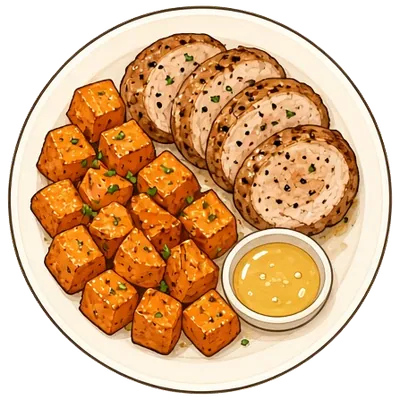
Honey mustard pork tenderloin with sweet potatoes
45 min
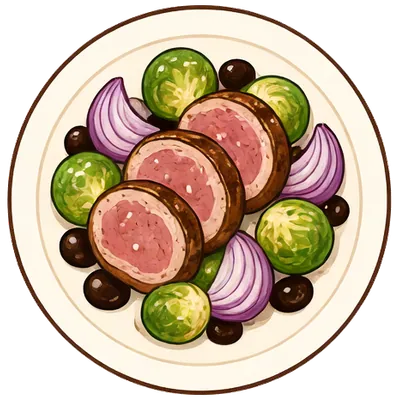
Sheet pan balsamic pork tenderloin and Brussels sprouts
45 min
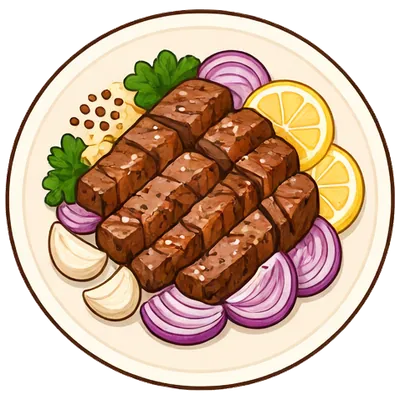
Sheet pan beef shawarma
45 min
Sheet pan pork chops with peppers and onions
45 min
One-pan dinners ›High-protein dinners ›What to make with rice and bell peppers ›