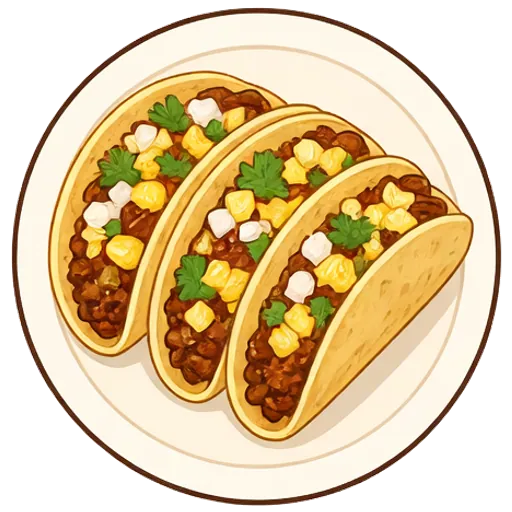
Pork al pastor tacos
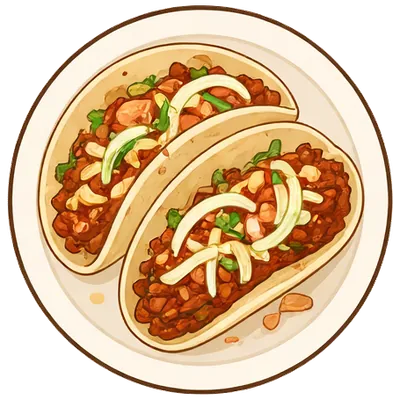
Smoky chile and pineapple marinated pork seared until charred, chopped with sweet pineapple and piled into corn tortillas.
- 60 min total
- 35 min hands-on
- Follow-a-recipe easy
- Serves 4
- About $2.70 a serving
- 520 calories
- Dairy-free

Dolly says: Read the steps once before you start. Everything goes smoother after that.
Ingredients
For 4 servings.
- 1 chipotle peppers in adobo, plus 1 tbsp sauce from the can
- 3 cloves garlic
- 1 can canned pineapple chunks, drained, 2 tbsp juice saved
- 1 pork tenderloin, about 1¼ lb
- ½ white onion
- ½ cup cilantro, chopped
- 12 corn tortillas
- 2 limes, cut into wedges
- ½ cup salsa verde (optional)
From your pantry
- 2 tbsp apple cider vinegar
- 1 tbsp chili powder
- 1 tsp paprika
- 1 tsp ground cumin
- 1 tsp dried oregano
- 1 tsp salt
- 2 tbsp vegetable oil, divided
Each serving has about 520 calories, 36 g protein, 65 g carbs and 15 g fat, and costs about $2.70 at typical US grocery prices. Both are estimates from what the recipe uses.
Missing something?
- No cilantro? Fresh parsley works.
- No limes? Lemons work.
Steps
Tap an underlined word for a quick explanation.
the chipotle and garlic, and stir them in a bowl with the adobo sauce, saved pineapple juice, vinegar, chili powder, paprika, cumin, oregano and salt.
Mince. Mincing means chopping something into the tiniest pieces you can, smaller than a grain of rice. Tiny pieces melt into the dish, so you get the flavor without biting into a chunk of garlic.
How you’ll know: Every piece is tiny and about the same size, and the pile starts to look almost like a paste.
the pork, cut it into , them in the marinade, and them in the fridge, covered, for 30 minutes, or up to a day.
Trim. Trimming means cutting off the parts you don’t eat, like stem ends, tough bits or thick fat. It keeps chewy or bitter bits out of the finished dish.
How you’ll know: What’s left is the good part, with no dry ends, woody stems or thick white fat.
Thinly slice. Thinly slicing means cutting slices about an eighth of an inch thick, roughly two coins stacked. Thin slices cook in seconds and soften fast, which quick dishes need.
How you’ll know: A slice bends a little when you hold it by one edge, and slow, steady cuts beat fast ones.
Toss. Tossing means gently lifting and turning food so everything gets coated, like pasta in sauce or vegetables in oil. It coats every piece evenly without mashing anything.
How you’ll know: Every piece looks glossy or evenly coated, with no dry spots hiding underneath.
Marinate. Marinating means letting food sit in a flavorful liquid, called a marinade, before you cook it. Always marinate in the fridge, and never reuse marinade from raw meat unless you boil it first.
How you’ll know: The food is coated all over, sealed in a bag or covered dish, and chilling in the fridge.
Timer: 30 min
the onion and mix it with the cilantro.
Finely chop. Finely chopping means cutting food into small pieces, a little bigger than minced, about the size of a lentil. Small pieces spread their flavor through the dish and cook quickly.
How you’ll know: Nothing is bigger than a lentil, and the pile looks like confetti rather than paste.
Heat 1 tbsp of the oil in a large over high until it .
Skillet. A skillet is a frying pan: wide and flat with low, sloped sides. The shape lets steam escape, so food browns instead of stewing.
How you’ll know: It’s the pan you’d fry an egg in, and a 10 or 12 inch one handles most recipes.
Shimmering oil. Oil shimmers when it’s hot enough to cook: its surface looks rippled and wavy, like heat over a road. That’s your cue to add the food, just before the oil would start to smoke.
How you’ll know: The oil looks wavy and runs thin like water when you tilt the pan, with no smoke yet.
High heat
the pork in batches, 2 minutes a side, until at the edges with no pink left.
Sear. Searing means cooking the outside of meat or fish in a hot pan, without moving it, until a deep brown crust forms. The crust is packed with flavor, and it only forms on a dry surface.
How you’ll know: It sizzles loudly the moment it goes in, and it lets go of the pan on its own when the crust is ready.
Char. Charring means cooking over very high heat until some spots turn black. Those dark spots add a smoky, slightly bitter flavor that balances sweet or rich food.
How you’ll know: You see black spots and blisters in places, while most of the surface keeps its own color.
High heatTimer: 4 min
 Dolly’s tip: Some black spots are good here. That char is what al pastor is known for.
Food safety: Steak, pork chops and other whole cuts are safe at 145°F in the middle, then let them rest for 3 minutes before cutting.
Move to a board.
Add the rest of the oil and the pineapple chunks and cook 3 to 4 minutes, turning once, until .
Caramelize. Caramelizing means cooking slowly until the natural sugars turn deep golden brown. It turns sharp onions soft, jammy and sweet, and it often takes 30 minutes or more.
How you’ll know: They’re soft, sticky and amber brown, and they taste sweet rather than sharp.
High heatTimer: 3 min 30 sec
the pork and pineapple together into bite-size pieces.
Chop. Chopping means cutting food into bite-size pieces that don’t need to be neat. Keep them roughly the same size so everything cooks evenly.
How you’ll know: Your pieces are about half an inch and roughly alike, even if none of them are pretty.
Warm the tortillas in the wiped-out skillet over medium heat, 30 seconds a side, stacking them in a clean towel.
Medium heat
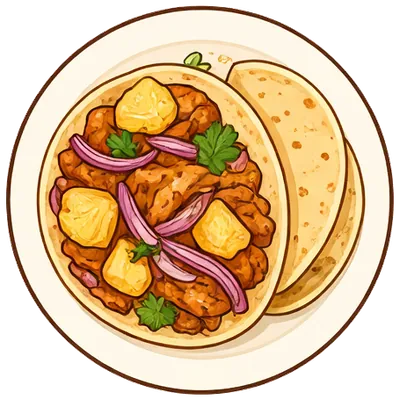
Fill the tortillas with the pork and pineapple and top with the onion and cilantro, salsa verde and a squeeze of lime.

Plan this in Dollop, and get the grocery list
Dollop puts this dinner on a night that suits your week, lists only what you still need to buy, and walks you through each step while you cook.